
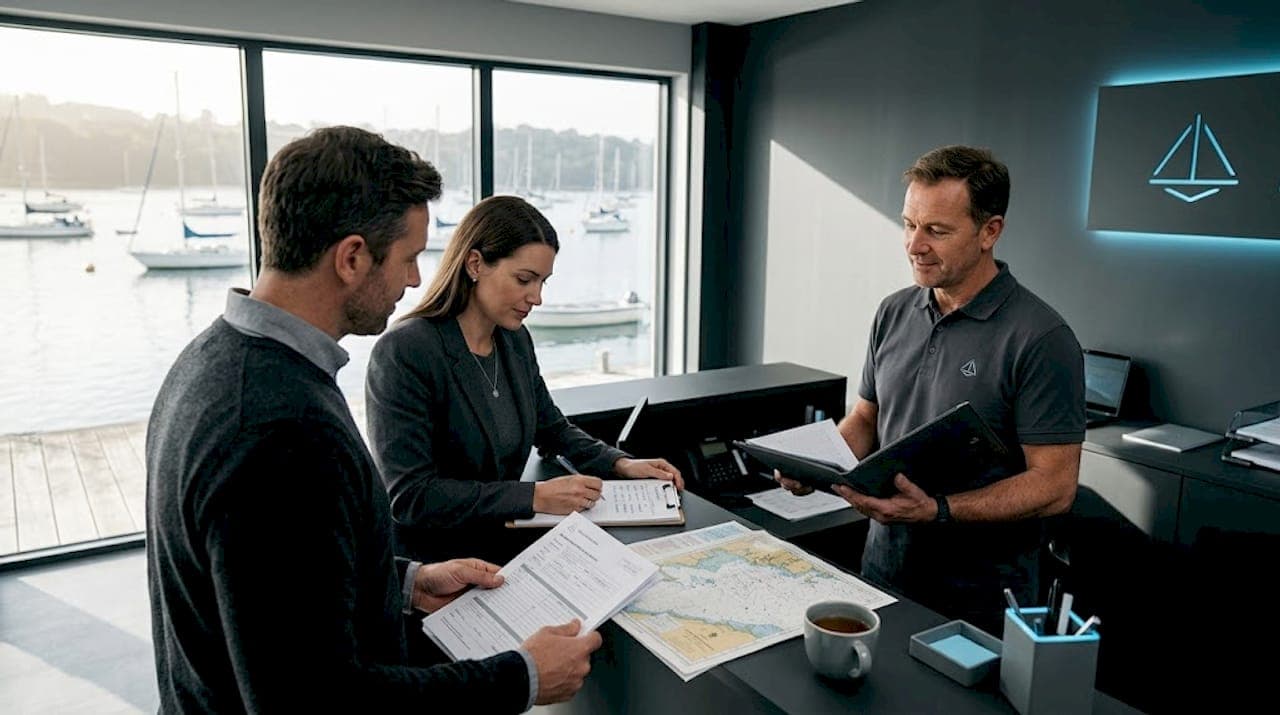
Renting a boat sounds simple until you're standing on a dock arguing about a scratch you didn't make, or watching your deposit evaporate over a fuel policy buried in the fine print. The boat booking mistakes to avoid aren't the dramatic ones, like choosing the wrong destination. They're the quiet ones: skipped checklists, unverified credentials, and itineraries built more for bragging than for actually enjoying the water. Budget-conscious travelers get hurt worst, because every avoidable cost hits harder when margins are tight. This guide cuts through the noise and gives you exactly what you need to book smarter.
Table of Contents
- The biggest boat booking mistakes to avoid before you cast off
- Plan for fuel use and hidden cost pitfalls
- Conduct a detailed handover and document boat condition
- Keep your trip plans realistic and manageable
- Verify onboard safety gear and regulatory requirements
- Our take: the real cost of skipping the boring parts
- Book smarter with SAILORIX
- Frequently asked questions
Key Takeaways
| Point | Details |
|---|---|
| Verify vessel legality | Always confirm the boat’s inspection certificates and captain credentials to avoid fines and illegal operation. |
| Plan fuel carefully | Understand your boat's fuel consumption, plan routes with fueling stops, and return full to prevent surprise charges. |
| Document boat condition | Photograph the boat thoroughly at handover to protect yourself from unfair damage claims. |
| Realistic trip planning | Limit destinations and plan moderate daily routes to reduce stress and extra fuel costs. |
| Safety gear compliance | Ensure enough properly sized life jackets are onboard and passengers know how to use them. |
The biggest boat booking mistakes to avoid before you cast off
The most expensive errors happen before you leave the dock, often because renters assume someone else already handled the legal side. They haven't. Verifying a vessel's legal status is your job as the person signing the contract, and skipping this step can end your trip before it starts.
U.S. Coast Guard regulations require vessels carrying more than six passengers for hire to have a valid Certificate of Inspection (COI). No COI, no legal trip. The Coast Guard actively enforces this, and when they board and find violations, they terminate the voyage on the spot. You don't get a refund. You get a ride back to shore.
Captain credentials matter just as much. If the rental includes a captain, that captain should hold valid Merchant Mariner Credentials from the U.S. Coast Guard. No credentials, no legal authority to operate a vessel for hire. Ask to see documentation. Any reputable operator will hand it over without hesitation.
Here's a detail many first-timers miss entirely: if you're booking a bareboat charter (meaning you control the helm yourself), the contract must reflect that. If the owner insists on installing their own captain while calling it a bareboat rental, that arrangement is legally problematic and puts you on the hook for the consequences.
Common boat booking errors related to legal compliance include:
- Assuming the rental company has already filed the correct paperwork
- Not asking whether the vessel holds a current COI for your passenger count
- Accepting a captain who cannot produce Merchant Mariner Credentials
- Signing a charter agreement without confirming who legally controls the helm
- Ignoring local jurisdiction requirements, which vary by state and country
Penalties for illegal charter operations can exceed $20,000 per violation. For a budget traveler, that number is catastrophic. Five minutes of verification before booking costs nothing.
Plan for fuel use and hidden cost pitfalls
Fuel is one of the most consistent boat reservation pitfalls for first-time renters. It's almost never included in the base rental price, and yet most renters don't think about it until they're idling at a fuel dock, watching the meter climb.
Daycruiser motorboats burn 15 to 30 liters per hour at high speed. On a six-hour trip, that's potentially 180 liters of fuel. At current marina fuel prices, that bill adds up fast, especially if you're also paying a refuel penalty because you returned the tank below the required level.
Most rental companies charge between $100 and $500 if you return the boat with less fuel than you took it with. That charge comes straight out of your deposit, and it's 100% avoidable.
Key ways to control fuel costs:
- Locate every fuel station along your planned route before departure
- Fill the tank yourself before returning, never rely on the marina to do it for you
- Reduce cruising speed by 20 to 30 percent and you can cut fuel use nearly in half
- Plan your route to minimize backtracking
- Ask the rental company for the boat's average consumption at cruising speed
Pro Tip: A following wind and favorable current can meaningfully reduce fuel burn on sailboats and slow-speed motorboats. Ask locals or check weather routing apps before you leave.
| Boat type | Fuel use at high speed | Fuel use at cruising speed |
|---|---|---|
| Daycruiser motorboat | 20-30 L/hr | 10-15 L/hr |
| Pontoon boat | 15-20 L/hr | 8-12 L/hr |
| Sailing yacht (motor assist) | 5-8 L/hr | 3-5 L/hr |
| Small speedboat | 30-50 L/hr | 15-25 L/hr |
Slowing down is one of the easiest decisions you can make to protect your budget while also making the trip more enjoyable.
Conduct a detailed handover and document boat condition
This is where boat rental mistakes get personal. You find a chip in the hull when you return the boat, the owner claims it wasn't there before, and suddenly you're fighting over a $600 repair you didn't cause. Without photos, you lose.
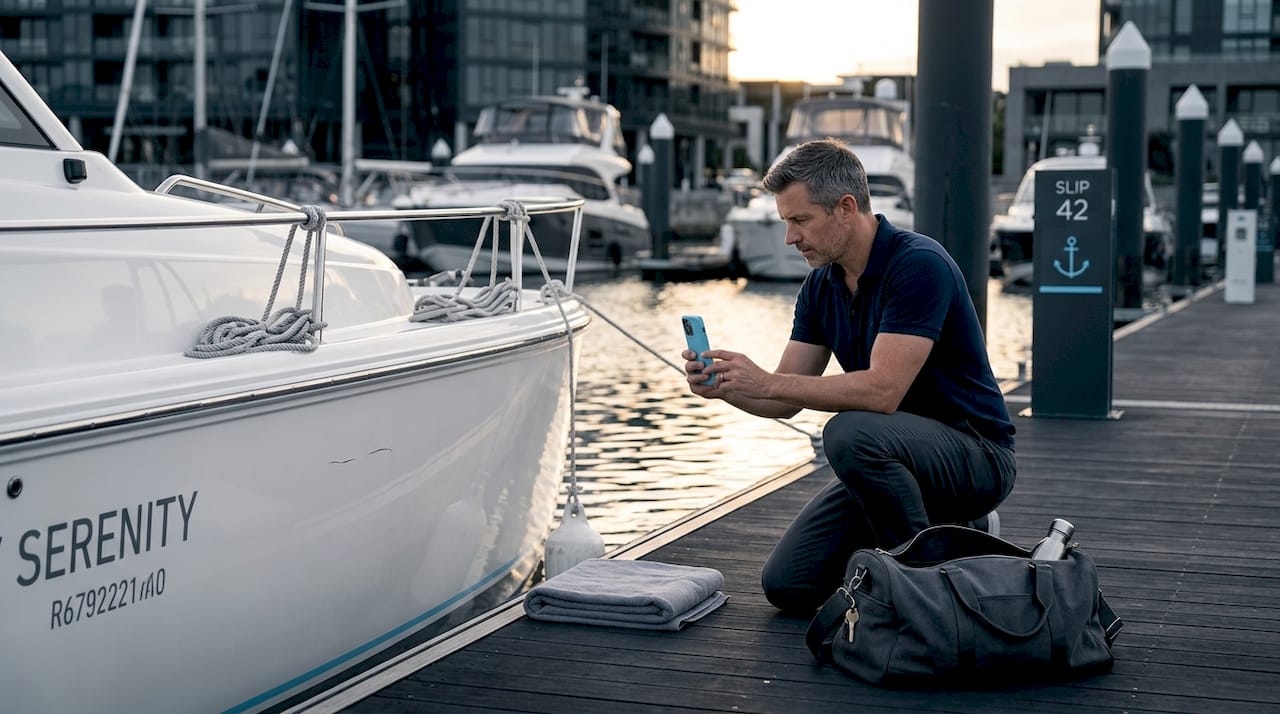
Not photographing the boat at handover is one of the most preventable mistakes renters make, and yet most people skip it because the handover feels rushed or informal. Don't let anyone's impatience cost you money.
Here's how to run a proper handover:
- Walk every inch of the exterior before signing anything. Check the hull, deck, cleats, fenders, and any equipment stored outside.
- Open every storage compartment. Pre-existing damage is often hidden in lockers and under seats.
- Test all electronics including navigation, bilge pump, lights, and VHF radio while the operator is still present.
- Photograph everything. Use your phone and make sure timestamps are active. Take wide shots first, then close-ups of any scratches, stains, or wear.
- Note your findings in writing. Many rental companies offer a handover checklist. If they don't, bring your own or use your phone to write notes on the spot.
- Get the operator's signature on the handover document if possible, confirming the boat's condition at departure.
Pro Tip: Email the photos to yourself immediately after handover. This creates a timestamped record that's harder to dispute than files sitting on your camera roll.
Keep your trip plans realistic and manageable
One of the most overlooked boat charter mistakes is treating a rental like a road trip. You can't cover as much ground on water as you think, and the consequences of an overly ambitious itinerary include high fuel costs, stress, and returning late with penalty fees.
Over-ambitious planning causes stress and burns significantly more fuel than a relaxed day on the water. The math is unforgiving: a motorboat covering 60 nautical miles at high speed uses roughly twice the fuel of one covering the same distance at moderate speed.
Tips for building a realistic itinerary:
- Limit yourself to one or two destinations per day, not five
- Add at least 30 minutes of buffer time for every hour of transit
- Confirm mooring or anchoring options at each stop before you go
- Identify your closest fuel station at every point along the route
- Check tide tables and weather windows rather than assuming conditions will cooperate
| Itinerary type | Avg. daily distance | Fuel cost estimate | Stress level |
|---|---|---|---|
| Relaxed (1-2 stops) | 20-30 NM | $50-$100 | Low |
| Moderate (3-4 stops) | 40-60 NM | $100-$200 | Medium |
| Ambitious (5+ stops) | 70+ NM | $200-$400+ | High |
The best boat days usually involve anchoring somewhere beautiful and staying longer than planned. You can't do that if you're already late for your next waypoint.
Verify onboard safety gear and regulatory requirements
Skipping safety checks is one of the most serious boat booking blunders you can make, and it's also one of the easiest things to fix. This isn't just about avoiding fines. It's about making sure everyone gets home.
Law requires life jackets for every passenger onboard, properly sized for each person's weight and age. That includes children, who need jackets specifically rated for their size. An adult life jacket on a six-year-old child is not compliant and is genuinely dangerous.
Before departure, confirm the following:
- One U.S. Coast Guard-approved life jacket per person, in the correct size
- A throwable flotation device (Type IV) within reach of the helm
- Visual distress signals such as flares, if venturing offshore
- A working fire extinguisher, especially on motorized vessels
- A functioning sound-producing device such as a horn or whistle
- Navigation lights if there's any chance you'll be on the water after dark
Test the life jacket fit on every passenger, including children, before you leave the dock. A jacket that's too loose can slip off in the water. This takes two minutes and matters enormously.
Our take: the real cost of skipping the boring parts
Here's something most boat rental guides won't tell you: the renters who have the worst experiences aren't reckless. They're impatient. They rush through the handover because they're excited to get on the water. They skip the fuel calculation because it seems tedious. They don't ask about credentials because they don't want to seem paranoid.
That impatience is expensive. And it's not really about the money. It's about the fact that you planned this trip, paid for it, and then spent half of it stressed about a damage dispute or a fuel bill you didn't see coming.
The practical truth is that every common boat booking error on this list takes five to fifteen minutes to prevent. Verifying a COI takes one phone call. Photographing the boat takes five minutes. Planning fuel stops takes ten minutes the night before. None of this is hard. It's just the part that feels less exciting than imagining yourself out on the water.
Budget-conscious travelers are actually better positioned to do this right, because the financial stakes are more visible. When your deposit represents a meaningful chunk of your trip budget, you're more motivated to protect it. Use that motivation. Do the boring parts thoroughly, and the exciting part takes care of itself.
Book smarter with SAILORIX
Avoiding boat booking blunders is easier when the platform you're using is built around transparency, not hidden charges. At SAILORIX, the membership model exists precisely because renters deserve to know what they're paying before they sign anything.

For €100 per year, SAILORIX members get access to boat and yacht rentals worldwide with service fees of around 1%, compared to the 10 to 20 percent that most booking platforms charge. That's not a small difference on a week-long yacht charter. Real-time availability, clear pricing, and a global fleet mean you spend less time second-guessing and more time on the water. If you're planning your next boat rental, explore available boats and see what the right platform actually looks like.
Frequently asked questions
What should I check to confirm boat rental legality?
Verify the vessel's valid Certificate of Inspection if carrying more than six passengers, and confirm captain credentials or bareboat charter terms. U.S. Coast Guard regulations require proper documentation for all vessels operating for hire.
How can I avoid unexpected fuel charges when renting a boat?
Plan your route with fuel consumption in mind, locate fuel stations ahead of time, and always return the boat with a full tank. Daycruisers burn 15 to 30 liters per hour, and companies typically charge $100 to $500 in refuel fees for tanks returned below the required level.
Why is photographing the boat at handover important?
Photos create timestamped evidence of the boat's condition before you took it, protecting you from unfair damage claims and deposit deductions. Skipping photos at handover is one of the most common reasons renters lose their deposits.
How many life jackets should be onboard?
Every passenger must have a properly sized, Coast Guard-approved life jacket, including children who need youth-specific sizes. Law requires life jackets for all passengers, and an adult jacket on a child does not satisfy that requirement.