
Croatia is one of those rare countries where every turn in the road reveals something that makes you stop and stare. From waterfall-laced national parks to sun-bleached Adriatic islands and medieval walled cities, the sheer variety of landscapes makes picking a single "most beautiful place" feel almost impossible. This article cuts through the decision paralysis by laying out the top contenders, explaining what makes each one special, and giving you a practical framework to match the right destination to your personal travel style and adventure goals.
Table of Contents
- How to choose Croatia's most beautiful destinations
- Plitvice Lakes National Park: UNESCO gem of waterfalls and lakes
- Other contenders: From the Dalmatian coast to Istria's hill towns
- Head-to-head: Comparing Croatia's top scenic spots
- Which Croatian wonder fits your adventure style?
- Why Croatia's 'most beautiful place' is a personal choice
- Plan your Croatian adventure with expert help
- Frequently asked questions
Key Takeaways
| Point | Details |
|---|---|
| Plitvice Lakes stands out | It’s Croatia’s classic beauty, recognized for waterfalls and UNESCO status. |
| Many worthy contenders | The Dalmatian coast, Istrian hill towns, and Krka are also visually unforgettable. |
| Your interests matter | Choose your ‘most beautiful’ based on adventure, photography, or relaxation preferences. |
| Travel timing counts | Seasons and crowd levels make a big difference to your experience. |
How to choose Croatia's most beautiful destinations
With our quest defined, let's clarify how we'll choose the standouts. "Most beautiful" means something different to a landscape photographer than it does to a family looking for safe swimming spots or a hiker chasing elevation gain. So instead of declaring one winner, we use a consistent set of criteria to evaluate each location fairly.
Here's what we weighed when building this shortlist:
- Visual wow factor: Does the landscape stop you in your tracks? Think turquoise lakes, dramatic cliffs, or centuries-old stone streets bathed in golden light.
- Adventure potential: Can you hike, kayak, sail, or explore on foot? The best destinations reward active travelers.
- Accessibility: Is it reachable without a rental car or a full day of travel? Ease of access matters, especially for first-time visitors.
- Photographic appeal: Does the location offer multiple compositions, lighting conditions, and vantage points?
- Cultural depth: Are there layers of history, local food, or architecture that enrich the experience beyond the scenery?
- Seasonal flexibility: Can you visit outside peak summer months and still have a meaningful experience?
Every destination in this article scores well across most of these categories. The goal is to help you figure out which combination matters most to you, then point you toward the right spot.
Plitvice Lakes National Park: UNESCO gem of waterfalls and lakes
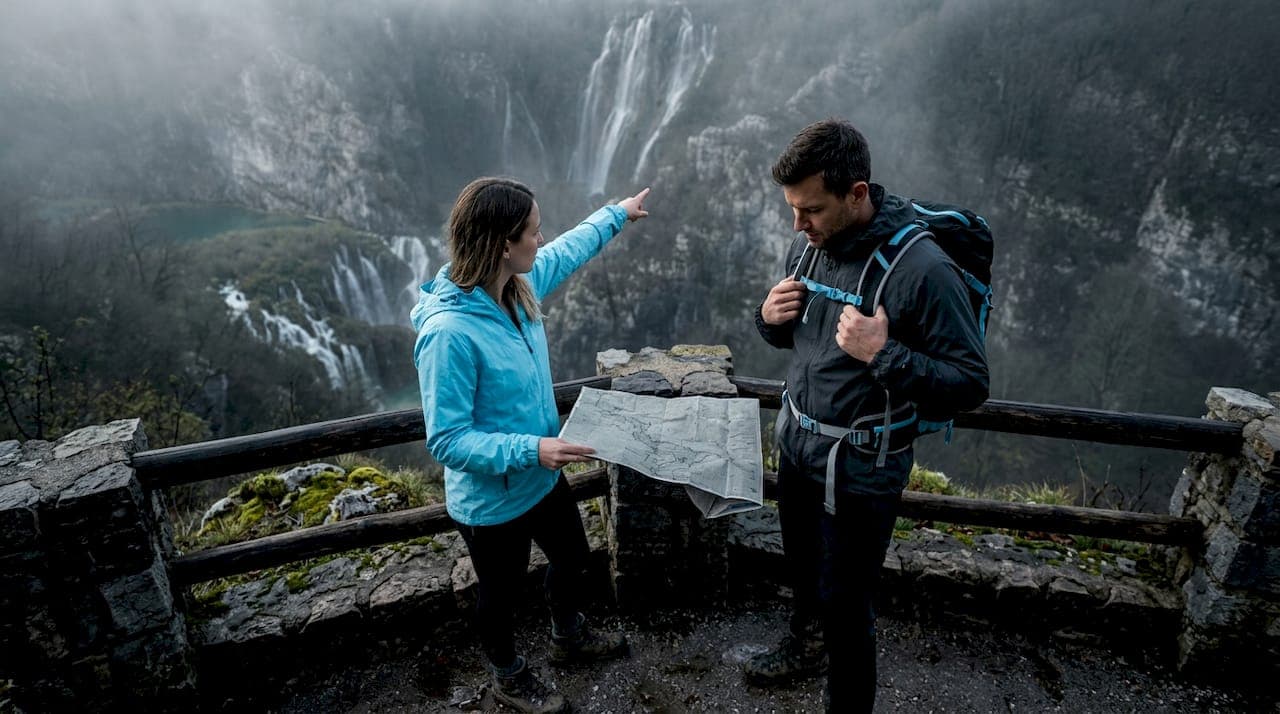
Now, let's explore a location that tops nearly every expert and traveler's list. Plitvice Lakes National Park is the kind of place that looks like it was designed by someone who had never heard the word "ordinary." Sixteen terraced lakes cascade into each other through a series of waterfalls, all framed by dense beech and fir forests. The water shifts from deep emerald to electric turquoise depending on the angle of the sun, the mineral content, and the season. No filter needed.
The park holds a remarkable distinction: Croatia's first national park and received UNESCO World Heritage status for its unique landscape. That recognition isn't just a badge. It reflects the park's genuinely rare geology. The lakes are formed by travertine barriers, which are natural dams built up over thousands of years by mosses, algae, and bacteria that absorb calcium carbonate from the water. The result is a living, constantly evolving system of pools and falls that you simply cannot replicate anywhere else on Earth.
"Plitvice Lakes is one of those places where the reality actually exceeds the photographs, which is saying something given how stunning those photos already are."
Getting around the park is surprisingly easy. Visitors can traverse many interconnected lakes and waterfalls in a single day itinerary using a network of wooden boardwalks that wind directly over the water. You can look straight down into the crystal-clear depths while walking. Electric boats and panoramic trains connect the upper and lower lake sections, so even visitors with limited mobility can access the highlights.
Key reasons Plitvice consistently ranks at the top:
- Year-round appeal: Spring brings powerful waterfalls fed by snowmelt. Summer offers lush greenery. Fall turns the forest into a blaze of orange and red. Winter coats everything in ice and frost.
- Multiple trail circuits: Choose from short two-hour loops to full-day routes covering both the upper and lower lakes.
- Wildlife: The park is home to brown bears, wolves, lynx, and over 120 bird species.
- Photography: The boardwalk system puts you at water level, giving you intimate angles that most national parks simply don't allow.
Pro Tip: Book your entry tickets online at least two weeks in advance during July and August. The park limits daily visitors, and tickets sell out fast. Arriving at opening time also gives you the best light for photography and the quietest trails.
Other contenders: From the Dalmatian coast to Istria's hill towns
Plitvice may be iconic, but beauty is never one-dimensional. Let's highlight several more breathtaking sites that deserve serious consideration.
Hvar and Korčula (Dalmatian Islands)
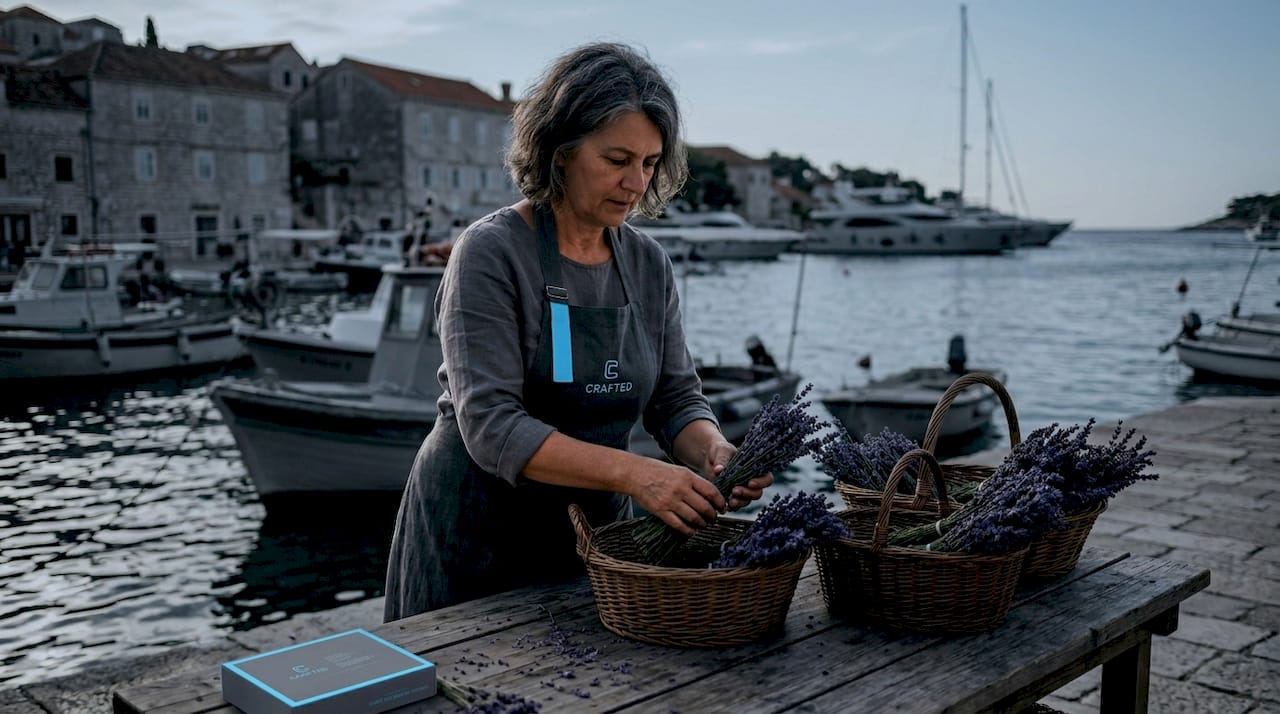
Hvar is famous for its lavender fields, pine-scented hillsides, and a harbor lined with Renaissance architecture. The island gets more sunshine hours per year than almost anywhere else in Europe, which means the light is extraordinary for photography. Korčula, often called "Little Dubrovnik," offers a quieter, more intimate version of walled-city charm with excellent local wine and a strong maritime heritage. Both islands are best explored by boat, which lets you access hidden coves and sea caves that road travelers never see.
Dubrovnik
Dubrovnik is one of the most photographed cities in the world, and for good reason. The old town is encircled by massive stone walls that drop straight into the Adriatic Sea. Walking the full circuit of the city walls takes about two hours and delivers panoramic views that feel almost cinematic. The city's marble streets, baroque churches, and terracotta rooftops create a visual density that rewards slow exploration. Game of Thrones fans will recognize it instantly as King's Landing, but the city's beauty predates any TV show by several centuries.
Istria's hill towns
Motovun, Grožnjan, and Rovinj represent a completely different flavor of Croatian beauty. These Istrian hill towns sit on elevated ridges overlooking vineyards, truffle forests, and rolling countryside that feels more Tuscan than Adriatic. They attract artists, food lovers, and travelers who want to escape the summer crowds on the coast. Rovinj, perched on a peninsula jutting into the sea, combines the charm of a hill town with waterfront access and is widely considered one of the most romantic towns in all of Europe.
Krka National Park
Krka offers a more accessible alternative to Plitvice, with the added bonus of swimming in designated areas near the famous Skradinski Buk waterfall. The park sits along the Krka River canyon and features a series of travertine waterfalls similar in formation to Plitvice but with a warmer, more Mediterranean atmosphere. It's also close to the historic city of Šibenik, making it easy to combine with a cultural stop.
Pro Tip: If you're visiting the Dalmatian coast, consider taking a day trip to Krka by boat from Šibenik rather than driving. The approach from the water gives you a completely different perspective on the canyon landscape.
Head-to-head: Comparing Croatia's top scenic spots
To simplify your final decision, here's how the standouts measure up side by side.
| Destination | Landscape type | Adventure potential | Accessibility | Best season | Great for |
|---|---|---|---|---|---|
| Plitvice Lakes | Lakes and waterfalls | High (hiking, walking) | Moderate (inland) | Spring and fall | Photographers, hikers |
| Dubrovnik | Coastal city | Moderate (walls, kayaking) | High (airport nearby) | Spring and fall | Culture lovers, families |
| Hvar | Island coast | High (sailing, swimming) | Moderate (ferry) | Summer | Beach lovers, sailors |
| Korčula | Island coast | Moderate (cycling, wine) | Moderate (ferry) | Summer | Couples, foodies |
| Krka NP | River and waterfalls | Moderate (walking, swimming) | High (near highway) | Late spring to fall | Families, day-trippers |
| Istrian hill towns | Rolling countryside | Low to moderate | Moderate (driving) | Spring and fall | Off-the-path explorers |
The table makes one thing clear: no single destination wins every category. Dubrovnik is the easiest to reach but gets extremely crowded in peak summer. Plitvice scores highest for raw natural beauty but requires more planning. Hvar is unbeatable for sailing and beach culture but loses its magic in the off-season when many restaurants and hotels close.
Which Croatian wonder fits your adventure style?
Still not sure which place belongs at the top of your itinerary? Here's how to match destinations with your travel goals.
-
You're a landscape photographer. Start with Plitvice Lakes in early morning light during May or October. Then head to the Dalmatian coast for golden-hour shots over the Adriatic from Hvar's hilltop fortress. Rovinj at sunset is also a must-capture scene.
-
You're traveling with family. Krka National Park is your best opening move. The swimming areas are safe and fun for kids, the trails are flat and easy, and the nearby town of Šibenik offers great food. Dubrovnik works well for families too, especially the cable car ride up to Mount Srđ for panoramic views.
-
You're a hiker seeking serious trails. Plitvice's longer circuits cover significant ground, but for more elevation, head to the Biokovo Nature Park above Makarska on the Dalmatian coast. The Skywalk platform there sits at 1,228 meters and offers views straight down to the sea.
-
You want off-the-beaten-path experiences. Istrian hill towns like Motovun and Grožnjan see a fraction of the tourist traffic that Dubrovnik and Plitvice receive. You can wander stone streets for hours without feeling rushed, taste local truffles, and stay in family-run guesthouses that feel genuinely local.
-
You're a sailor or boating enthusiast. The Dalmatian island chain is purpose-built for sailing. Hvar, Korčula, Vis, and Brač form a route that keeps delivering new coves, anchorages, and towns. The sailing season runs from May through October, with the best winds in June and September.
Pro Tip: Croatia's compact geography is a genuine advantage. You can combine Plitvice with a coastal stop in a single week without feeling rushed. Drive south from Plitvice to Split in about two hours, then catch a ferry to Hvar or Korčula for the second half of your trip.
Why Croatia's 'most beautiful place' is a personal choice
Here's something most travel guides won't tell you: the search for Croatia's single most beautiful place is a bit of a trap. It assumes that beauty is fixed and universal, when in reality it's deeply tied to timing, mood, and what you personally value in a landscape.
We've seen travelers arrive at Plitvice on a gray November morning and find it more haunting and beautiful than any summer photo they'd seen online. We've watched others stand on Dubrovnik's walls at noon in August, surrounded by cruise ship crowds, and feel completely underwhelmed. The same destination can deliver completely different experiences depending on when you show up and how you approach it.
The travelers who get the most out of Croatia are the ones who resist the checklist mentality. They don't just tick off Plitvice, Dubrovnik, and Hvar and call it done. They slow down, arrive early, stay late, and wander into places that didn't make anyone's top-ten list. A tiny fishing village on Korčula's south coast. A hilltop church in Istria with a view that no travel blog has ever photographed. A quiet morning on a Krka trail before the tour buses arrive.
The most memorable moments in Croatia rarely happen at the most famous viewpoints. They happen in the spaces between. That's not a reason to skip the iconic spots. Plitvice genuinely deserves its reputation. But treat the famous places as starting points, not destinations in themselves. Let them lead you somewhere unexpected.
Plan your Croatian adventure with expert help
Croatia's coastline is one of the most spectacular sailing grounds in the world, and the best way to experience it is from the water. Whether you want to anchor in a hidden cove near Hvar, sail between the Dalmatian islands, or explore the Kornati archipelago by boat, having the right platform behind you makes all the difference.

Sailorix connects you with yachts and boats across Croatia at the lowest market prices, with a simple annual membership that keeps service fees around 1% instead of the 10 to 20% charged by most competitors. For €100 a year, you get access to real-time availability, transparent pricing, and a booking experience that actually makes sense. Whether you're planning your first Croatian sailing trip or your tenth, Sailorix gives you the tools to explore more coastline, more islands, and more of the beauty this country has to offer.
Frequently asked questions
Is Plitvice Lakes National Park suitable for a day trip?
Yes, Plitvice Lakes is a popular day-trip destination with well-marked routes for most visitors. Most interconnected lakes and waterfalls can be covered in a single day itinerary using the park's boardwalk network and shuttle system.
What makes Plitvice Lakes a UNESCO World Heritage site?
It is recognized for its unique travertine barrier landscapes and cascading lakes formed over thousands of years. The park's travertine formation is a living geological process driven by mosses and algae that is rare anywhere in the world.
What is the best time of year to visit Croatia's beautiful outdoor spots?
Late spring (May to June) and early fall (September to October) offer mild weather, fewer crowds, and excellent light for photography at nearly every scenic destination in the country.
Can you see multiple Croatian highlights in a single trip?
Yes, Croatia's compact size allows for easy multi-destination itineraries. A well-planned week can realistically cover Plitvice Lakes, Split, and at least one Dalmatian island without feeling rushed.