
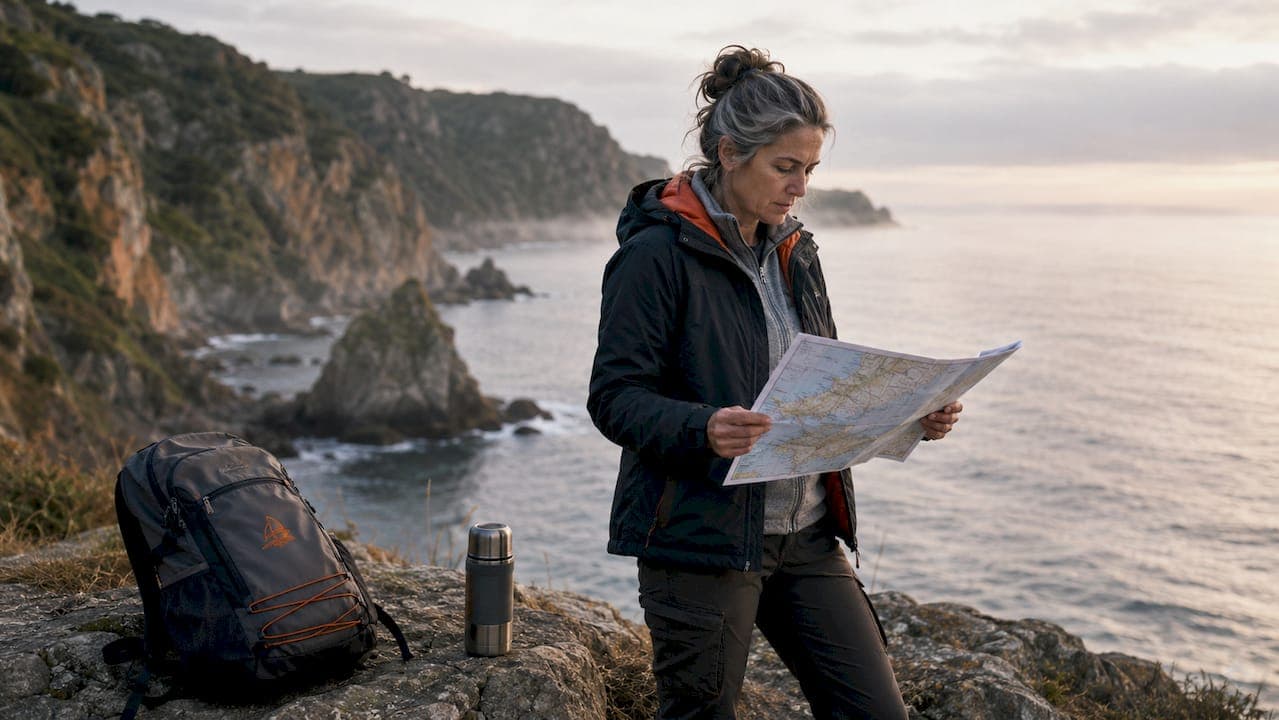
A unique boating destination is defined as a location combining natural seclusion, low vessel traffic, and authentic cultural access that crowded marinas simply cannot offer. This unique boating destinations list moves well past the obvious choices like Monaco or Santorini. The best spots for 2026 reward travelers who want glaciers, truffle-producing coastlines, and boat-only island access in equal measure. From Greenland's ice-carved fjords to Croatia's Rovinj and the Exuma Bahamas, these locations prove that the most memorable water adventures happen where the crowds are not.
1. What makes a boating destination truly unique?
A destination earns its place on any serious list of best boating spots when it delivers three things: natural beauty you cannot access by road, low marine traffic, and a local culture worth engaging with. Crowded hubs like Ibiza or Mykonos fail this test. They offer infrastructure but sacrifice the discovery that makes boating worthwhile.
Selecting the best destination depends more on seasonal timing and personal interests like culinary tourism, photography, or wildlife than on any static bucket list. That insight reframes how you should plan. Stop asking "where is popular?" and start asking "what do I want to feel?"
2. Greenland: glaciers and zero crowds
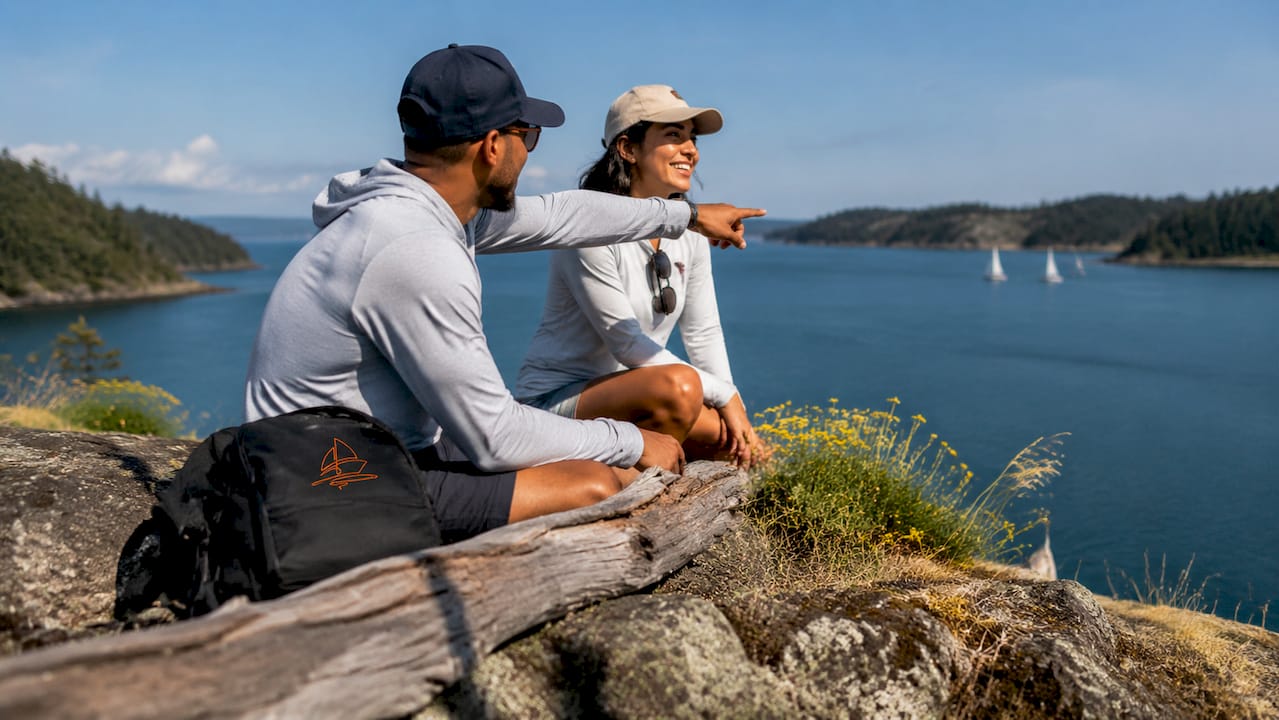
Greenland is the most extreme entry on this offbeat water destinations list, and that is exactly the point. The fjords here are carved by active glaciers, and the marine traffic is a fraction of any Mediterranean route. You will share anchorages with humpback whales, not charter fleets.
Planning a Greenland passage requires serious preparation. Remote regions like Greenland offer vastly less commercial marine traffic than Mediterranean routes, which means fewer rescue resources too. Carry redundant communications gear, file detailed float plans, and consult ice charts from the Danish Meteorological Institute before departure.
Pro Tip: Visit between late July and early September when pack ice retreats enough to open the most scenic fjord passages near Ilulissat.
3. Scotland's Hebrides: wild Atlantic sailing
The Hebrides deliver top sailing locations that most American travelers overlook entirely. The Inner and Outer Hebrides stretch across the Atlantic edge of Scotland, offering sea lochs, white sand beaches, and basalt sea stacks that look nothing like any other European coastline. Puffin colonies, red deer on the shoreline, and whisky distilleries accessible by dinghy make this a genuinely layered experience.
Infrastructure is modest by design. Marinas at Tobermory and Stornoway provide fuel and basic services, but much of the sailing is anchored out. That limitation is the feature, not the flaw. The absence of superyacht crowds keeps the Hebrides authentic in a way that the Côte d'Azur abandoned decades ago.
4. Rovinj, Croatia: luxury meets authenticity
Rovinj is the strongest argument that unique and luxurious are not opposites. Rovinj's ACI marina sits within reach of three Michelin-starred restaurants and one of Europe's top truffle-producing regions. You can anchor off a medieval Venetian old town in the morning and eat at a world-class table by evening.
Croatia's Istrian peninsula also rewards exploration beyond Rovinj itself. The boat tours along Croatia's coast connect hidden coves, Roman ruins, and fishing villages that road travelers never reach. Luxury charter experts confirm that destinations like Rovinj succeed because superb marina infrastructure supports discovery rather than replacing it.
5. The Exuma Bahamas: tidal passages and wild pigs
The Exuma Cays are the best boating spot in the Atlantic for travelers who want both wilderness and warmth. The Exuma Cays Land and Sea Park covers 176 square miles of protected water with no permanent residents and no commercial development. Swimming pigs at Big Major Cay are the famous draw, but the real prize is the solitude of the park's interior.
Tide timing is critical for passages like Sanctuary Creek at Shroud Cay. Low tides can strand a boat in shallow channels, so planning around a mid-to-high rising tide is not optional. Get this right and Sanctuary Creek delivers one of the most photogenic mangrove passages in the Western Hemisphere.
Pro Tip: Download the Explorer Charts Bahamas app before leaving the U.S. mainland. It provides real-time depth data for Exuma passages that standard chart plotters miss.
6. Palawan, Philippines: the last frontier
Palawan consistently ranks among the top sailing locations in Southeast Asia, and the title is earned. The Bacuit Archipelago near El Nido contains hundreds of limestone karst islands, hidden lagoons, and coral gardens that snorkelers rate among the world's best. Access by boat is the only way to reach the most spectacular sites.
Boaters in the Philippines must prepare for signal loss, sudden squalls, and wind-sensitive anchorages. Route planning here demands daily weather checks and conservative departure windows. The reward for that discipline is exclusive access to places that tour boats cannot reach before 10 a.m.
7. Papua New Guinea: the ultimate remote kayaking location
Papua New Guinea sits at the far end of the adventure spectrum. The Bismarck Sea and Milne Bay Province contain some of the least-dived coral reefs on earth, alongside villages where traditional outrigger culture remains intact. This is not a destination for first-time offshore sailors. It is the destination for experienced crews who have exhausted every other option.
Minimal marina infrastructure means fuel planning starts weeks in advance. Carry enough diesel for the longest possible leg between supply points, and build in weather buffer days. The payoff is a boating experience that genuinely has no equivalent anywhere else on this list.
8. Koufonisia, Greece: the Cyclades secret
The small Cyclades islands, particularly Koufonisia and Iraklia, represent the hidden boating gems that the Greek island circuit keeps producing for those willing to sail past Mykonos. Koufonisia has one small port, one main village, and turquoise water that rivals anything in the Caribbean. Ferry service is limited, which keeps the island population small and the atmosphere calm.
Looking one stop beyond marquee destinations and timing arrivals to avoid ferry crowds is the proven strategy for finding authentic fishing villages and unspoiled anchorages. The small Cyclades reward exactly that approach. Arrive by late afternoon when day-trippers have left and the island returns to its residents.
9. Virgin Gorda, BVI: the Baths and beyond
Virgin Gorda earns its place on the exclusive yacht trips list through the Baths, a geological formation of giant granite boulders creating sea caves and tidal pools at the island's southern tip. Most visitors see the Baths from a day charter. Arriving by private boat means anchoring overnight and experiencing the site at dawn before any other vessel appears.
The BVI as a whole offers exceptional sailing infrastructure combined with genuine natural variety. North Sound on Virgin Gorda provides one of the Caribbean's best protected anchorages, with access to Saba Rock, Bitter End, and Leverick Bay within a short dinghy ride.
10. Lake Powell, Arizona and Utah: inland canyon boating
Lake Powell proves that the best boating spots are not always saltwater. The reservoir spans the Arizona-Utah border and cuts through red sandstone canyon country that looks like no other boating environment on earth. Slot canyons accessible only by water, natural arches, and 2,000-foot canyon walls define the experience.
Experienced Lake Powell boaters prefer stops that balance narrow canyon exploration with open-water anchorages like Padre Bay for relaxation. The Chicago Windy City Boat and Yacht Show's debut on Lake Michigan in 2026 signals a broader shift: freshwater and inland destinations are now legitimate alternatives to ocean cruising for travelers seeking unusual marina experiences.
11. Turks and Caicos: new infrastructure, old beauty
The Turks and Caicos has long attracted serious boaters, but 2026 brings a specific new reason to visit. The Strand launched a private marina with 8 slips for boats up to 40 feet, offering daily and monthly rentals. That expansion opens a previously difficult-to-access stretch of coastline to a wider range of vessels.
The surrounding waters include Grace Bay, consistently rated among the world's top beaches, and the Caicos Bank, a vast shallow-water flat that supports world-class bonefishing and snorkeling. The combination of new marina access and established natural beauty makes this a top boating destination for 2026.
12. How to choose the right destination for your trip
Choosing from this list requires matching the destination to your interests and the calendar. A comparison of the top options by experience type and best season makes the decision clearer.
| Destination | Best season | Primary experience | Infrastructure level |
|---|---|---|---|
| Greenland | July–September | Glacier and wildlife | Minimal |
| Hebrides, Scotland | June–August | Wild sailing, whisky | Modest |
| Rovinj, Croatia | May–October | Luxury dining, culture | Excellent |
| Exuma Bahamas | November–April | Tidal passages, wildlife | Moderate |
| Palawan, Philippines | November–May | Snorkeling, lagoons | Limited |
| Virgin Gorda, BVI | December–April | Sailing, geology | Good |
| Lake Powell, USA | April–October | Canyon exploration | Good |
| Turks and Caicos | November–April | Beaches, bonefishing | Growing |
Wildlife-focused travelers should prioritize Greenland and the Hebrides between June and September. Culinary travelers will find Rovinj unmatched from May through October. Families and first-time offshore sailors will find the BVI and Turks and Caicos the most forgiving combination of beauty and support services.
For renting boats abroad, understanding local licensing requirements and charter restrictions before booking saves significant time. Each destination on this list has specific rules around marine park access, anchoring, and vessel size that affect which boat you should charter.
Key takeaways
The most rewarding boating destinations combine low marine traffic, natural access, and local culture in ways that no crowded marina hub can replicate.
| Point | Details |
|---|---|
| Seclusion defines quality | Destinations with low marine traffic deliver more authentic and memorable experiences. |
| Tide and weather planning | Passages like Sanctuary Creek require mid-to-high rising tides for safe navigation. |
| Luxury and adventure coexist | Rovinj and Virgin Gorda prove that top infrastructure and genuine discovery are not mutually exclusive. |
| Season drives the decision | Matching your destination to the right season determines wildlife access, weather safety, and crowd levels. |
| Remote means more preparation | Papua New Guinea and Palawan demand redundant communications, conservative fuel planning, and daily weather checks. |
Why the best boating trips start where the map gets sparse
At Sailorix, we have seen thousands of booking patterns, and the most satisfied travelers share one trait: they chose a destination that required effort to reach. The Exuma Cays, the Hebrides, Koufonisia. None of these places hand you the experience. You earn it through tide charts, weather windows, and the discipline to sail past the obvious stop.
The bespoke nature of luxury travel applies directly to boating. A Michelin dinner at Rovinj's ACI marina hits differently when you arrived by water after a three-day passage from Venice. Context is the luxury. The boat is the vehicle that creates it.
We also believe responsible boating in sensitive ecosystems is not optional. Marine parks like the Exuma Cays Land and Sea Park exist because previous generations of boaters loved these places without protecting them. Anchor in sand, not coral. Follow local fishing regulations. Leave anchorages cleaner than you found them. These practices are what keep the list of truly unique destinations from shrinking every year.
The travelers who get the most from this list are the ones who treat it as a starting point, not a checklist. Pick one destination that genuinely excites you, learn its tides and its culture, and go deep rather than wide. That is the trip you will still be talking about in ten years.
— Sailorix
Explore unique boating destinations with Sailorix
Sailorix connects travelers to boats and yachts at every destination on this list, from Rovinj's ACI marina to the Exuma Cays, through a membership model that keeps service fees at roughly 1% per booking. That compares to the 10–20% fees standard on most booking platforms.
For €100 per year, Sailorix members access real-time availability across global marinas, including newly opened facilities like The Strand in Turks and Caicos. Whether you want a bareboat charter in the BVI or a crewed yacht in Palawan, the Sailorix membership model makes the booking process straightforward and the pricing transparent. Start planning your next water adventure at Sailorix.
FAQ
What qualifies a boating destination as truly unique?
A unique boating destination combines natural seclusion, low vessel traffic, and authentic cultural access that standard tourist marinas cannot offer. Locations like Greenland, Koufonisia, and Palawan meet all three criteria.
Which unique boating destination is best for first-time offshore sailors?
The British Virgin Islands, particularly Virgin Gorda, offers the best combination of protected anchorages, reliable infrastructure, and natural beauty for sailors new to offshore passages.
When is the best time to visit the Exuma Bahamas by boat?
November through April is the optimal window for the Exuma Cays, when trade winds are consistent and hurricane season has passed. Tide planning for passages like Sanctuary Creek at Shroud Cay remains critical year-round.
How do I access boat-only destinations like Palawan safely?
Remote boating in the Philippines requires preparing for signal loss, rapid storms, and wind-sensitive anchorages. Carry redundant communications equipment, file detailed float plans, and build weather buffer days into every itinerary.
Are freshwater destinations worth including on a unique boating list?
Lake Powell in Arizona and Utah delivers canyon scenery and geological formations that no ocean destination replicates. The growing interest in inland boating confirms that freshwater destinations now compete directly with traditional ocean cruising routes for serious travelers.