
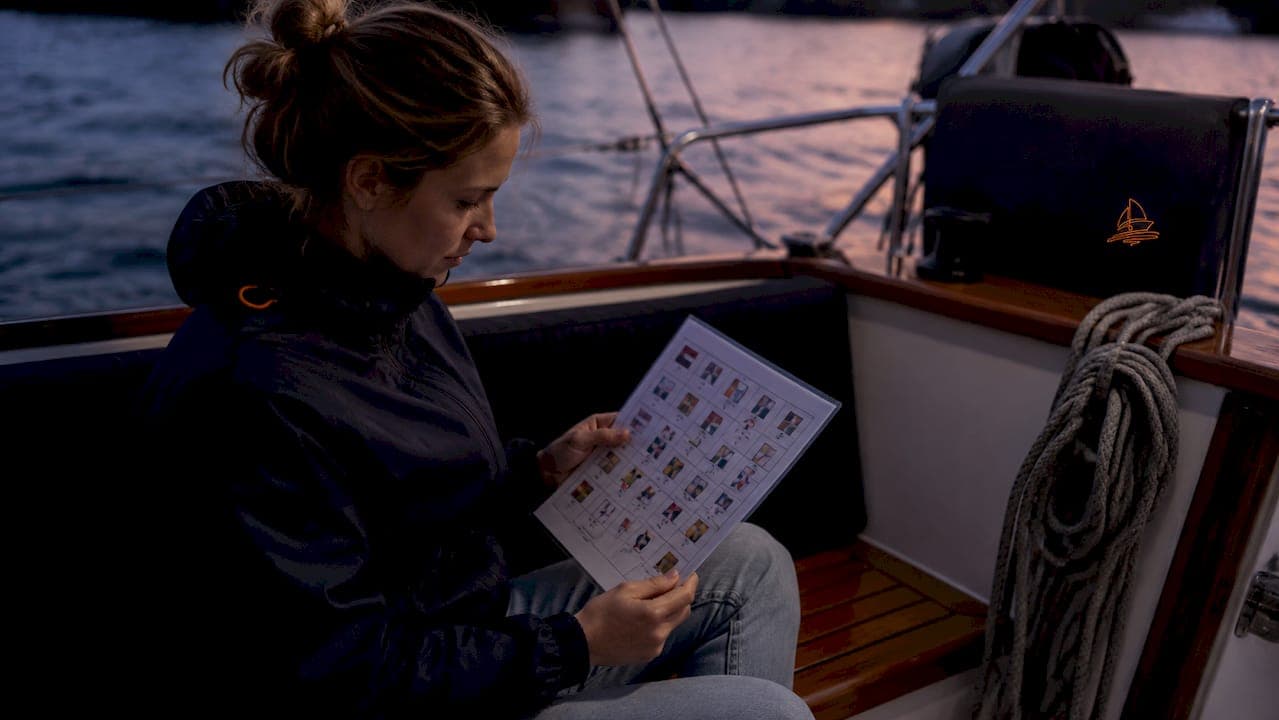
The nautical alphabet is the internationally standardized system of phonetic code words and visual signal flags used to eliminate ambiguity in maritime communication. It covers two distinct tools: the radiotelephony spelling alphabet, where words like Alpha, Bravo, and Charlie replace individual letters over radio, and the International Code of Signals (ICS) flag system, where each letter corresponds to a colored flag with its own specific meaning. Both systems are standardized by the International Telecommunication Union (ITU) and NATO, making them universally recognized across every ocean. Whether you are spelling your vessel's name to a harbor master or signaling a diver below, these systems keep you and everyone around you safe.
What is the nautical alphabet and why does it matter?
The radiotelephony spelling alphabet is defined as a set of code words assigned to each letter of the Latin alphabet to ensure clarity during voice communication over radio. Each word was chosen because it sounds distinct from every other word in the set, even when heard through static, wind, or engine noise. The full sequence runs from Alpha (A) through Zulu (Z), with every word tested for intelligibility across multiple languages and accents.
The reason this system exists is straightforward. Letters like B, D, P, and T are nearly indistinguishable over a noisy VHF marine radio channel. Saying "Bravo" instead of "B" and "Delta" instead of "D" eliminates that confusion completely. A single misheard letter in a vessel name, waypoint coordinate, or distress call can send rescuers to the wrong location. The stakes are that concrete.
The NATO phonetic alphabet and the ITU version are identical for maritime use. This alignment means a sailor from Canada, Japan, or Brazil uses the same code words, so international boating regulations in 2026 follow the same A through Z standard without regional variation. That consistency is what makes the system genuinely global rather than just widely adopted.
Here is the full phonetic alphabet for reference:
- A Alpha, B Bravo, C Charlie, D Delta, E Echo
- F Foxtrot, G Golf, H Hotel, I India, J Juliet
- K Kilo, L Lima, M Mike, N November, O Oscar
- P Papa, Q Quebec, R Romeo, S Sierra, T Tango
- U Uniform, V Victor, W Whiskey, X X-ray, Y Yankee, Z Zulu
Pro Tip: When you first learn the phonetic alphabet, say each word out loud while pointing to the letter on a printed card. The physical action of pointing while speaking builds recall speed faster than reading alone.
How do international maritime signal flags complement the phonetic alphabet?
Signal flags operate on a completely different channel from radio. Where the phonetic alphabet is spoken, the ICS flag system is visual. Each of the 26 letters A through Z has a corresponding flag with a unique color pattern, and each flag carries a specific meaning beyond just representing a letter. This dual function is what makes the flag alphabet far more than a visual version of the phonetic system.
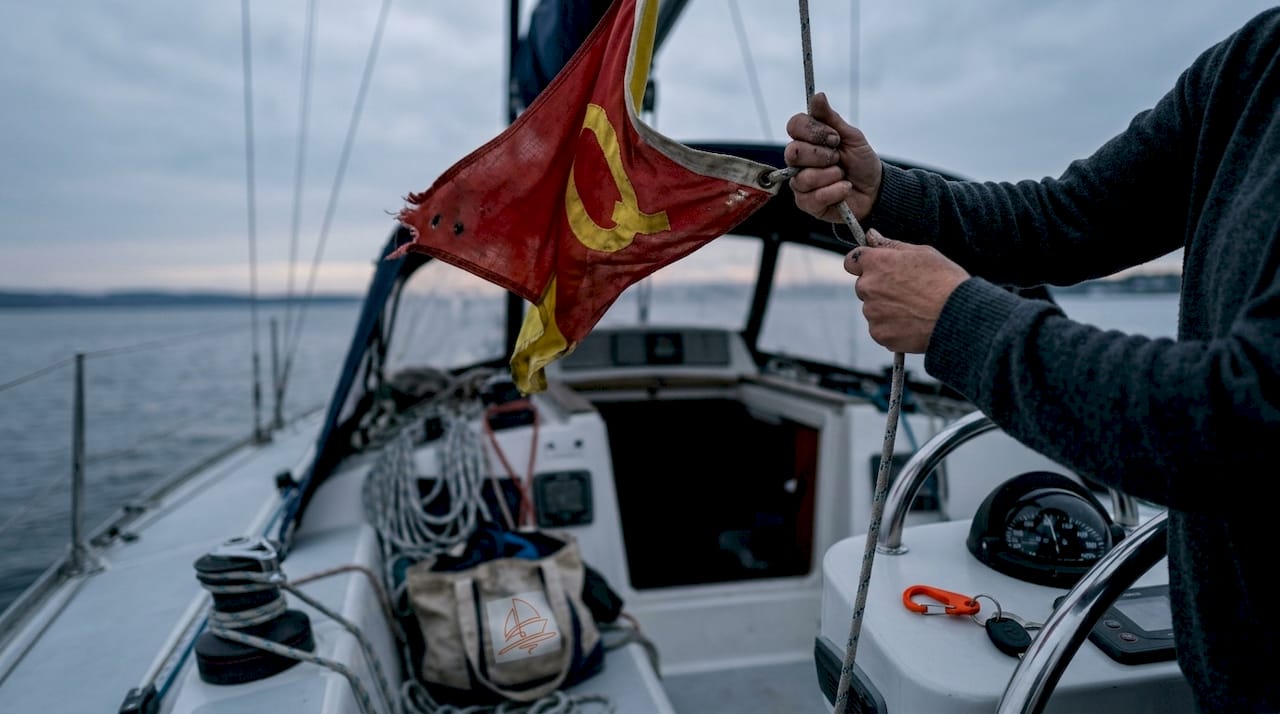
The Alpha flag, for example, is a blue and white swallowtail design. When flown alone, it does not just signal the letter A. It means "I have a diver down; keep clear at slow speed." Every vessel in the vicinity is expected to recognize that signal and respond accordingly. The Bravo flag (solid red) signals dangerous goods on board. Charlie (blue, white, and red horizontal stripes) means affirmative. November (blue and white checkerboard) means negative. These meanings are defined by the International Code of Signals and are legally recognized in international waters.
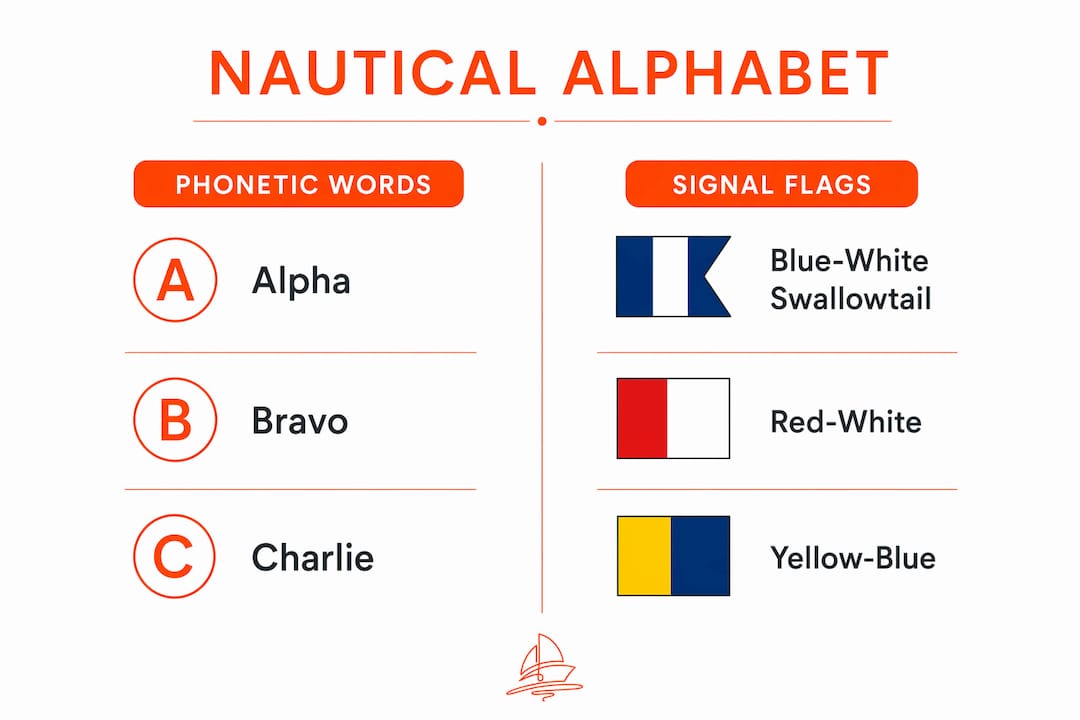
The table below shows a selection of commonly used signal flags and their operational meanings:
| Letter | Phonetic word | Flag description | Primary meaning |
|---|---|---|---|
| A | Alpha | Blue and white swallowtail | Diver down; keep clear at slow speed |
| B | Bravo | Solid red | Dangerous goods or explosives on board |
| C | Charlie | Blue, white, red horizontal stripes | Affirmative / yes |
| N | November | Blue and white checkerboard | Negative / no |
| O | Oscar | Red and yellow diagonal halves | Man overboard |
| Q | Quebec | Solid yellow | Request for customs clearance / healthy vessel |
Oscar (O) is one every sailor should recognize instantly. A solid yellow and red flag flown at the mast signals man overboard, a situation where seconds matter. Quebec (Q), a solid yellow flag, tells port authorities the vessel is healthy and requesting clearance. These are not obscure signals reserved for naval vessels. Recreational boaters encounter them regularly in busy harbors and anchorages.
The key distinction between systems is context. Radio phonetics work when you can speak and be heard. Flags work when radio is unavailable, when vessels are too far apart for voice, or when silence is required. Knowing both systems means you are never limited to a single communication channel.
Pro Tip: Keep a laminated ICS flag reference card in your chart table. Identifying a flag from another vessel in under ten seconds is a skill that takes practice, and a quick reference card makes that practice accessible during every passage.
For a deeper look at how flag choice affects your vessel's identity and compliance, the maritime flag guide from Vessel Flag covers the practical considerations yacht owners face.
How to effectively learn and practice the phonetic alphabet for radio
Mastery of the phonetic alphabet is not about memorizing a list. It is about building automatic recall under pressure, so that when you are in a rolling sea with rain on the windscreen and a harbor master waiting for your vessel name, the words come out without hesitation. Marine radio training in 2026 recommends drilling the full alphabet twice daily until recall is instant.
Follow this structured practice sequence:
- Memorize the sequence cold. Recite Alpha through Zulu without pausing. Time yourself. Aim for under 15 seconds for the full sequence before moving to applied practice.
- Drill the problem letters. B (Bravo), D (Delta), P (Papa), and T (Tango) are the four letters most commonly confused in voice radio. Spend extra time on these four until they feel as natural as your own name.
- Spell real vessel names. Take the name of your boat or a boat you admire and spell it phonetically out loud. "Serenity" becomes Sierra, Echo, Romeo, Echo, November, India, Tango, Yankee. Real names are harder than the alphabet sequence and far more useful.
- Practice waypoints and coordinates. Spell out a marina name, a channel number, or a GPS coordinate using phonetics. This simulates the actual radio tasks you will perform on the water.
- Record yourself and listen back. Your pace and pitch matter. Calm, steady delivery at a moderate pace maximizes intelligibility over VHF. Rushed speech and high pitch both reduce clarity.
- Simulate stress. Practice while doing something else: cooking, walking, or holding a conversation. If you can spell phonetically while distracted, you can do it in rough conditions.
The goal is to reduce cognitive load during actual transmissions. When spelling is automatic, your attention stays on the message content and the response from the other vessel, which is where it belongs. Sailors who treat phonetic alphabet practice as a one-time task before their radio license exam consistently struggle under real operational conditions.
Pro Tip: Label objects around your home with their phonetic spelling for one week. Your coffee mug becomes "Charlie, Oscar, Foxtrot, Foxtrot, Echo, Echo." Ridiculous? Yes. Effective? Absolutely.
What are common mistakes when using the phonetic alphabet?
The most frequent error sailors make is mixing the phonetic alphabet with casual spelling during the same transmission. Saying "My vessel name is S as in Sam, A, India, Lima, Oscar, Romeo, India, X-ray" combines three different systems in one breath. The person receiving that transmission has to decode each letter differently, which defeats the purpose entirely. Use the NATO phonetic alphabet exclusively and consistently throughout every transmission.
Accent interference is a real and underappreciated problem. The ITU and NATO designed the phonetic alphabet so that international boaters can communicate regardless of native language, but mispronunciation still causes confusion. "Lima" mispronounced as "Lemon" or "Juliet" rushed to sound like "Julie" creates the same ambiguity the system was built to prevent. Learn the standard pronunciations, not approximations.
Common mistakes to watch for include:
- Switching systems mid-transmission. Stick to one system per communication. Never mix phonetic words with plain letter names or flag terminology on the radio.
- Speaking too fast under stress. Speed reduces intelligibility. Slow down deliberately when conditions are poor or when the other station asks for a repeat.
- Skipping confirmation. After spelling a vessel name or waypoint, ask the other station to read it back. A single confirmation step catches errors before they cause problems.
- Ignoring background noise. Move away from the engine, close the companionway, and reduce ambient sound before transmitting. The phonetic alphabet compensates for noise, but it works best when you minimize noise at the source.
- Confusing flag signals with radio phonetics. The two systems serve different functions. Never describe a flag signal verbally as if it carries the same meaning in a radio context. "Oscar" on the radio spells the letter O. Oscar flown from a halyard means man overboard.
Learning to use pan-pan emergency calls correctly depends directly on phonetic alphabet fluency. In an urgent situation, clear spelling of your vessel name and position is the difference between a fast response and a delayed one.
Key takeaways
The nautical alphabet combines the NATO phonetic spelling system and the ICS flag alphabet into one complete maritime communication framework that every sailor must know before leaving the dock.
| Point | Details |
|---|---|
| Two systems, one framework | The phonetic alphabet covers radio voice; ICS flags cover visual signaling between vessels. |
| Problem letters need extra drill | B, D, P, and T are most often confused on radio and require focused practice to master. |
| Flags carry operational meanings | Each ICS flag means more than its letter. Alpha signals diver down; Oscar signals man overboard. |
| Automatic recall is the goal | Muscle memory built through daily drills reduces cognitive load during actual radio transmissions. |
| Never mix systems | Using plain letter names alongside phonetic words in the same transmission creates the confusion the system was designed to eliminate. |
Why the nautical alphabet deserves more respect than it gets
Most sailors treat the phonetic alphabet as a box to check before their radio license exam. At Sailorix, we have seen what happens when that attitude meets real conditions. A vessel spelling its name incorrectly during a harbor entry in poor visibility, a crew member describing a flag signal over the radio as if it carries the same meaning in voice context, a skipper who knows the alphabet in sequence but freezes when asked to spell a waypoint under pressure. These are not rare edge cases. They happen on the water regularly.
What the phonetic alphabet actually represents is a shared language that every mariner on earth has agreed to use. That agreement is remarkable. A sailor from Finland and a harbor master in Thailand can exchange precise information without a shared native language because both sides know that "Foxtrot, India, November, Lima, Alpha, November, Delta" spells FINLAND without ambiguity. That level of clarity does not happen by accident. It is the result of deliberate standardization by the ITU and NATO, and it only works when every participant takes it seriously.
The flag system deserves equal respect. Recreational boaters often treat signal flags as decoration or tradition. They are neither. A vessel flying the Oscar flag in a busy anchorage is telling every other boat that someone is in the water. Ignoring that signal because you did not recognize it is not an excuse that holds up. Learning the history of maritime communication gives you context for why these systems evolved the way they did, and that context makes them easier to remember.
Practice the phonetic alphabet until it is boring. Then practice it more. The goal is not to sound professional on the radio. The goal is to communicate clearly when it matters most.
— Sailorix
Take your maritime communication skills further with Sailorix
Sailorix is built for sailors who take their time on the water seriously, and that starts with communication skills before you ever leave the dock.
The marine alphabet guide on the Sailorix blog gives you a practical, step-by-step breakdown of phonetic alphabet mastery with drills you can use today. When you are ready to put those skills to work on the water, Sailorix connects you with yacht and boat rentals worldwide at a fraction of the typical booking cost. For €100 per year, Sailorix members pay only around 1% in service fees compared to the 10 to 20% charged by most platforms. Clear communication and affordable access to the water belong together. Explore Sailorix and see what is available in your next destination.
FAQ
What is the nautical alphabet used for?
The nautical alphabet refers to two systems: the NATO/ITU radiotelephony phonetic alphabet used for clear voice radio communication, and the ICS flag alphabet used for visual signaling between vessels. Both systems prevent miscommunication by replacing ambiguous letters with distinct words or recognizable flag designs.
What are the 26 words in the phonetic alphabet for sailors?
The 26 phonetic code words are Alpha, Bravo, Charlie, Delta, Echo, Foxtrot, Golf, Hotel, India, Juliet, Kilo, Lima, Mike, November, Oscar, Papa, Quebec, Romeo, Sierra, Tango, Uniform, Victor, Whiskey, X-ray, Yankee, and Zulu. These words are standardized by the ITU and NATO for use in all maritime and aviation radio communications.
What does the Alpha flag mean in maritime signaling?
The Alpha flag, a blue and white swallowtail design, means "I have a diver down; keep clear at slow speed." It is one of the most operationally critical ICS signal flags for recreational boaters and is required by law in many jurisdictions when divers are in the water near a vessel.
How is the NATO phonetic alphabet different from the nautical alphabet?
They are the same system. The NATO phonetic alphabet and the ITU radiotelephony spelling alphabet use identical code words for maritime use. The term "nautical alphabet" is a common informal description that covers both the phonetic radio system and the ICS flag system together.
How long does it take to learn the phonetic alphabet for radio use?
Most sailors can memorize the full A to Z sequence in one or two days, but automatic recall under stress takes consistent daily practice over two to four weeks. Drilling real vessel names and waypoints, rather than just the alphabet sequence, accelerates operational readiness significantly.