
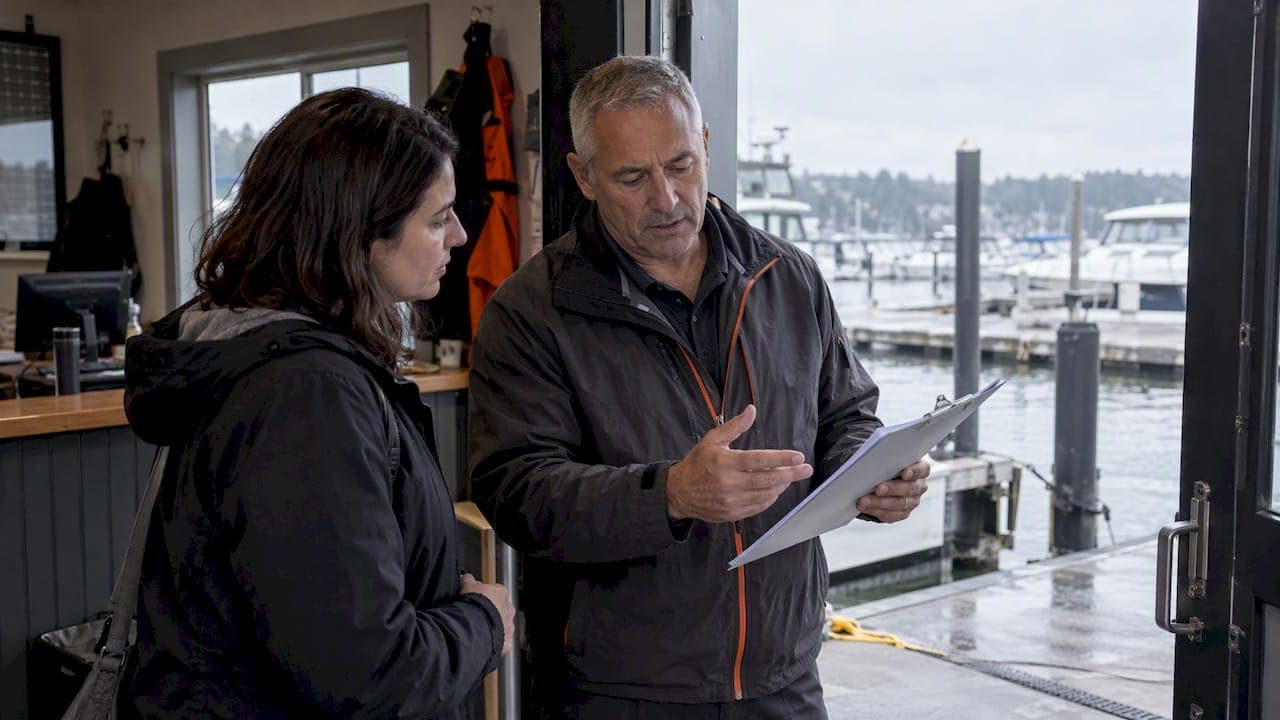
The qualified operator, meaning the captain on a boat or the pilot on a private flight, makes the final call on a weather cancellation, not the passenger. Most operators prefer to reschedule or offer credit rather than refund outright, though refund rights kick in automatically for public charters and scheduled flights under federal rules. Get the cancellation notice in writing, note who made the call, and check any credit's expiration date before you agree to anything.
TL;DR:
- The captain or pilot has the legal authority to cancel a charter due to weather, based on specific safety guidelines for wind, waves, and visibility.
- Operators typically offer to reschedule or provide credits, but refunds are mandatory if the cancellation violates federal rules, especially for public or scheduled flights.
- Always obtain written notice with decision details and weather thresholds before accepting credits or refunds, and verify expiration, transferability, and blackout dates.
- The type of booking contract determines your rights: public charters under DOT rules have fixed refund timelines, while private on-demand charters depend on contract terms.
- Checking the operator’s weather and cancellation policy upfront prevents disputes, with clear clauses reducing the risk of losing deposits or facing unmanageable restrictions.
Table of Contents
- Who decides: operator authority and the safety signals behind the call
- What operators typically offer: reschedule, credit, or refund
- How your contract type changes your rights
- A booking checklist to confirm before you pay
- If your charter gets canceled: what to do right away
- How SAILORIX members avoid cancellation surprises
- Safety comes first, but fairness still has to be written down
- Booking with clearer terms through SAILORIX
- FAQ
- Sources
Who decides: operator authority and the safety signals behind the call
Operational control over a charter rests with the certified operator, the captain, or the pilot, never the passenger. You can push back on a decision, but you cannot force a vessel out of a harbor or a plane off a runway once the person legally responsible for the trip has judged it unsafe.
That judgment usually leans on published guidance. NOAA's marine warnings define conditions like a Small Craft Advisory, typically issued for sustained winds in a moderate to strong range with waves commonly at potentially hazardous heights, though the exact thresholds shift by region and vessel type. A 24-foot center console and a 60-foot motor yacht can face the same forecast and reach different conclusions, because NOAA's own guidance notes that "small craft" has no fixed universal definition and local criteria vary.
Air charters work under a parallel but separate framework. FAA guidance on charter operations places operational control with the certificated operator, who can delay, divert, or cancel even when the departure airport is open and sunny, because conditions along the route or at the destination matter just as much as conditions overhead.
Whatever the reason, ask for it in writing.
- Request a timestamped notice naming the decision-maker, whether captain, pilot, or dispatcher.
- Ask which specific condition triggered the call: wind speed, wave height, visibility, or a routing issue.
- Save the notice before you discuss remedies, since it anchors any later refund or insurance claim.
What operators typically offer: reschedule, credit, or refund
Reschedule-first policies dominate the charter industry. An operator cancels for weather, then offers the next available date at no added cost, often with the original deposit simply rolled forward.
Credits and vouchers are the second most common remedy, and they deserve scrutiny before you accept one as explained in airline gift card restrictions. Public statements from the Department of Transportation note that any voucher offered in place of a refund must be optional, and one accepted voluntarily should remain valid for several years. That standard applies to airlines, but it is a useful benchmark to raise with any charter operator offering a credit instead of cash back.
- Confirm the credit's expiration date in writing before you sign anything.
- Ask whether the credit transfers to another date, another party, or a different vessel or aircraft in the same fleet.
- Check for blackout dates or seasonal exclusions that could make the credit hard to use.
Refunds are required, not optional, in specific situations. DOT refund guidance states that airline passengers are entitled to a refund when a flight is canceled and they decline the rebooking offered, with credit-card refunds due within 7 business days and other payment methods within 20 days. Private boat charters do not carry this federal backstop, so the written contract becomes the only enforceable remedy.
How your contract type changes your rights
The paperwork behind your booking determines far more than the weather does.
- Public charter flights fall under DOT prospectus rules. Operators must give written notice of cancellations or major changes, and DOT's public charter guidance requires refunds within 14 days when a canceled public charter leaves passengers without an acceptable alternative.
- Scheduled airline tickets carry the strongest automatic protection. The airline is the merchant of record, refunds trigger without a fight when the airline cancels, and DOT's timelines above apply directly.
- Private, on-demand air charters and private boat or yacht charters run almost entirely on contract terms. There is no federal refund mandate, so the deposit schedule, reschedule-credit language, and cancellation clause you signed control the outcome.
- Watch for red flags before you sign: vague weather definitions that never name a specific threshold, no clause stating who holds decision authority, or deposit language that forfeits your money regardless of cause. Clear contract terms around these points prevent most disputes before they start.
A booking checklist to confirm before you pay
A few minutes of questions before you book can save weeks of arguing after a cancellation.
- Ask who holds operational control and how they will notify you if weather forces a change.
- Get the reschedule, credit, and refund options spelled out, including any credit expiration or transfer limits.
- Confirm the deposit and refund schedule in writing, including whether marina fees, catering, or add-ons are refundable.
- Ask whether trip-cancellation insurance is available and which weather events it actually covers, since many policies exclude storms named before you purchased the policy.
Reviewing a sample cancellation policy before you book gives you language to compare against whatever the operator sends you.
Pro Tip: Ask the operator to point to the exact clause in their contract that defines a weather cancellation, then read it yourself before you pay a deposit.
If your charter gets canceled: what to do right away
Acting in order protects both your money and your next booking.
- Request immediate written cancellation notice that names the decision-maker and the reason, and save every message with its timestamp.
- If offered a credit, get the expiration date, transferability, and any exclusions confirmed in writing before you accept.
- If you are owed a refund under DOT or public-charter rules, cite the applicable timeline directly in your request.
- If an airline or public charter operator stalls, file a complaint with DOT or dispute the charge with your card issuer; if you suspect an air operator lacks proper authority to fly, the FAA's FSDO handles those concerns.
- Keep receipts for any related costs, hotel nights, missed connections, lost deposits, since insurers and small claims courts both want a paper trail.
How SAILORIX members avoid cancellation surprises
SAILORIX advises members to check an operator's weather policy before booking, not after paying a deposit. That means reading the cancellation clause for three specific things: who decides, what the reschedule or credit terms say, and whether any credit expires.
- Confirm decision authority is named explicitly in the listing or contract, not left implied.
- Read the reschedule-credit terms for expiration dates and transfer rules before accepting one.
- Check whether the deposit schedule ties refund eligibility to how far in advance you cancel versus how far in advance the operator cancels.
| Checklist item | Why it matters |
|---|---|
| Decision authority named | Confirms who can call a weather cancellation |
| Reschedule and credit terms | Prevents a credit from expiring unused |
| Deposit and refund schedule | Clarifies what you get back and when |
| Insurance coverage for weather | Fills the gap contracts do not cover |
Safety comes first, but fairness still has to be written down
Operators should have the final say on safety. No passenger, no matter how disappointed, should be able to pressure a captain or pilot into departing when conditions say otherwise. That part of this isn't up for debate.

What is up for debate, and often poorly handled, is the paperwork around the decision. Too many cancellation clauses define "weather" so loosely that operators can invoke it for convenience, and too many credits expire before a traveler can reasonably use them. The fix isn't weaker safety standards, it's clearer contracts: a named decision-maker, a specific weather threshold, and a credit or refund term that doesn't quietly disappear in six months.
Read the clause before you pay. Ask the question that feels awkward. It's cheaper than finding out the hard way.
— SAILORIX
Booking with clearer terms through SAILORIX
Most of the friction around weather cancellations comes from unclear contracts, not unclear weather.

Members can review cancellation and reschedule terms directly through SAILORIX, and those who want a more hands-off experience can look at the Gold, Platinum, and Diamond programs for added support around bookings and charter planning.
- Use the booking checklist above every time you reserve a boat or yacht, regardless of platform.
- Review the operator's written weather policy before paying a deposit.
- Check SAILORIX membership details to see current service fee terms before your next charter.
Start your next booking with the questions answered upfront, not after a storm forces the issue.
FAQ
What happens if my flight is canceled due to weather?
Airlines must offer a refund if they cancel your flight and you decline the rebooking they offer, with credit-card refunds due within 7 business days under DOT rules. Public charter flights carry a similar protection, with refunds due within 14 days under DOT's public charter rules.
Is it correct to say "due to inclement weather"?
Yes, "due to inclement weather" is standard, correct usage in both casual and formal writing, including airline and charter notices. "Inclement" simply means severe or stormy, so the phrase works anywhere you'd otherwise write "because of bad weather."
What weather conditions typically lead to a charter cancellation?
Marine operators often reference NOAA Small Craft Advisory thresholds, generally sustained winds of 20 to 33 knots with waves commonly 4 to 10 feet or higher, though local criteria and vessel type both affect the final call. Air charter operators weigh similar safety thresholds under FAA operational control guidance, and a pilot can delay or cancel even when the departure airport looks clear.
How long does a weather cancellation refund usually take?
For airlines and public charters, DOT guidance requires credit-card refunds within 7 business days and other payment refunds within 20 days. Private boat or yacht charters have no federal timeline, so the refund schedule depends entirely on the written contract.
Does travel insurance cover a weather-related charter cancellation?
Coverage depends entirely on the policy, since many exclude storms that were already named or forecast before you purchased it. Ask specifically which weather events are covered and whether the exclusion window applies to your booking date before you buy.
Sources
- Marine weather warnings
- Charter flights | US Department of Transportation
- Pilots, owners, and operators | Federal Aviation Administration