
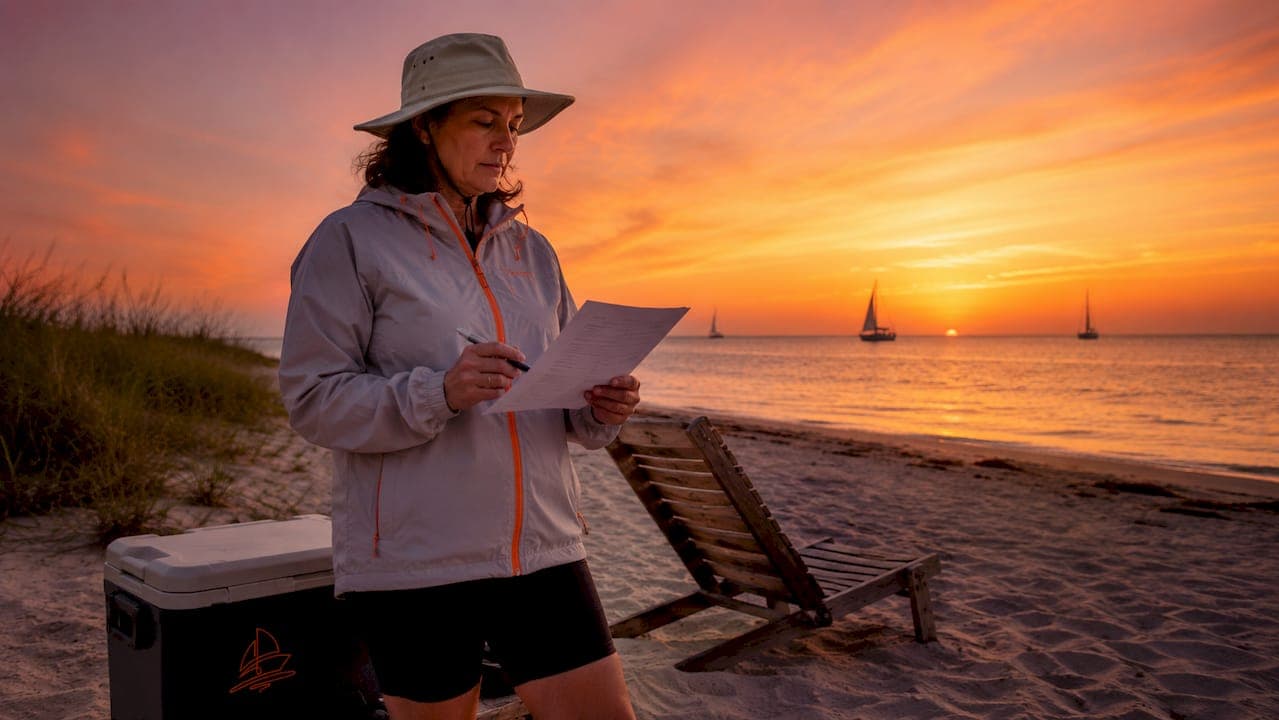
A boat rental checklist is the structured pre-departure process every renter must complete to verify safety gear, confirm legal requirements, and inspect vessel condition before leaving the dock. Skip it, and you risk fines, liability for undocumented damage, or a mechanical failure miles from shore. This guide covers every category you need, from safety equipment and rental paperwork to personal packing and budgeting, so your time on the water stays enjoyable and incident-free.
1. Essential safety equipment to verify before sailing
Safety gear is the non-negotiable foundation of any checklist for boat rental. Coast Guard regulations require specific equipment on every vessel, and rental companies expect you to confirm it is present and functional before you cast off.
Life jackets are the first item to count and inspect. You need one properly sized jacket for every person aboard, plus a throwable flotation device within reach of the helm. Check for tears, missing buckles, or waterlogged foam that no longer provides buoyancy.
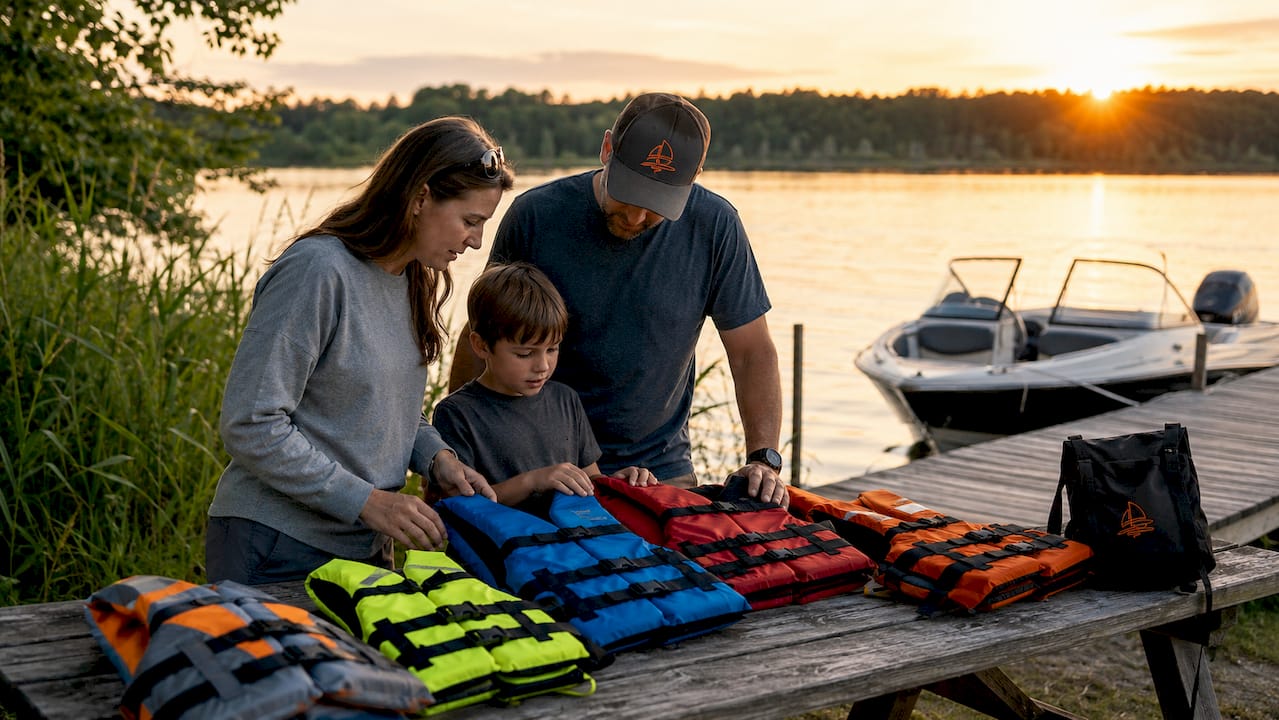
Beyond life jackets, verify all safety equipment including flares, fire extinguishers, and communication devices before departure. Condition and quantity both matter. A fire extinguisher with a broken seal or a VHF radio with a dead battery is useless in an emergency.
Pro Tip: Check expiration dates on flares and first aid supplies. Expired flares are illegal to use as your sole signaling device in U.S. waters, and many renters overlook this entirely.
Your navigation toolkit should include a working GPS unit, paper charts as a backup, and a functioning VHF radio on channel 16. Cell service disappears quickly offshore. A VHF radio keeps you connected to the Coast Guard and other vessels when your phone cannot.
2. Pre-rental steps to confirm with the rental company
Confirming logistics with the rental company before you arrive saves time and prevents disputes. Work through these steps at least 48 hours before your departure.
- Verify your operator qualifications. Many states and countries require a boating license or safety certificate for self-drive rentals. Failing to provide proof of certification like a Pleasure Craft Operator Card can result in rental denial without a refund. Know what your destination requires before you book.
- Clarify the fuel policy. Most rentals require you to return the boat with the same fuel level you received it at. Ask whether fuel is included, billed at the dock rate, or charged separately.
- Confirm insurance and damage waiver terms. Ask what the deductible is, what damage is covered, and whether you need to purchase a separate waiver. Never assume the base rate includes full coverage.
- Understand captain and crew options. If you are not licensed or prefer not to navigate alone, captains typically add $60–$80 per hour to your total cost. Confirm this rate upfront.
- Ask about the handover process. A formal boat handover typically lasts 30–60 minutes. Complex vessels like catamarans can take up to 90 minutes. Budget that time into your departure plan.
- Document pre-existing damage. Walk the boat with a company representative and photograph every scratch, dent, or worn fitting before you sign anything. This protects you from liability for damage you did not cause.
Pro Tip: Ask the rental company for a written rental workflow guide. A reputable company will have one. If they do not, that tells you something about how they operate.
3. How to inspect the boat before departure
A thorough boat inspection is your last line of defense before you take legal responsibility for the vessel. Document all damage with photos for insurance protection, and do not rush this step even if the dock crew seems impatient.
Hull and deck: Walk the full perimeter. Look for cracks, blistering, or impact damage below the waterline if you can see it from the dock. Check cleats, rails, and hatches for loose fittings.
Engine and fuel system: Start the engine and listen for unusual sounds. Check the fuel level against what the rental agreement states. Look for oil leaks or fuel odors near the bilge.
Electronics and navigation: Test the GPS, depth finder, and VHF radio. Confirm the navigation lights work, especially if you plan to be out near sunset.
| Inspection Area | What to Check | Red Flag |
|---|---|---|
| Hull and deck | Cracks, impact marks, loose fittings | Blistering or soft spots |
| Engine | Startup sound, fuel level, oil level | Smoke, unusual noise, fuel smell |
| Safety gear | Count, condition, expiration dates | Missing items, expired flares |
| Electronics | GPS, VHF, nav lights | No signal, dead battery |
| Bilge | Water level, pump function | Standing water, pump failure |
Pro Tip: Use a standardized inspection checklist printed on paper. Verbal walk-throughs with dock staff are easy to forget. A written record with timestamps and photos is the only version that protects you.
4. Packing and personal preparation for a boat rental
What you pack matters as much as what you check. Boat storage is limited, and the wrong gear creates clutter and safety hazards.
Hard-shell suitcases do not fit in most boat storage compartments. Soft duffel bags or collapsible bags compress to fit odd-shaped lockers and do not become tripping hazards in cabin passageways. Pack one bag per person and keep it manageable.
Clothing and footwear: Bring layers even in warm climates. Temperatures drop significantly on open water after sunset. Non-marking rubber-soled shoes are required on most charter boats because dark soles leave permanent scuff marks on deck surfaces.
Sun protection: Use reef-safe sunscreen, as many charter destinations in the Caribbean and Mediterranean now prohibit chemical sunscreens near protected reefs. Add a wide-brim hat and polarized sunglasses. Reflected UV off the water is far more intense than direct sunlight on land.
- Soft duffel bag (one per person)
- Layers and a windproof jacket
- Non-marking boat shoes
- Reef-safe sunscreen, hat, and polarized sunglasses
- Motion sickness medication (take it before boarding, not after)
- Personal medications in a waterproof bag
- Portable power bank for electronics
Pro Tip: Limit yourself to what fits in one soft bag. Every extra item you bring competes for space with safety gear, food, and comfort. Experienced boaters pack light every time.
5. Boat rental pricing and budgeting considerations
Understanding the full cost of a boat rental prevents the most common source of post-trip frustration: a final bill that is far higher than the advertised rate.
Small to midsize boats rent for roughly $75–$300 per hour. Luxury yachts exceed $300–$800 per hour. Those figures cover only the base rental. Fuel, cleaning fees, and crew charges are almost always separate.
The base rental fee typically covers 60–80% of your total trip cost. The remaining 20–40% comes from fuel, cleaning, insurance deductibles, and crew gratuities. Crew gratuity of 15–20% is standard and is almost always expected in cash at the end of the trip.
| Cost Category | Typical Range | Notes |
|---|---|---|
| Base rental (small/midsize) | $75–$300/hour | Varies by boat type and location |
| Luxury yacht rental | $300–$800/hour | Crewed charters often priced by week |
| Fuel surcharge | 20–30% of base rate | Usually billed at dock rate |
| Captain/skipper fee | $60–$80/hour | Required if unlicensed |
| Crew gratuity | 15–20% of charter fee | Cash, paid at trip end |
| Cleaning fee | Varies | Often waived if boat returned clean |
Seasonal pricing adds another layer. Peak summer months in the Mediterranean and Caribbean command significantly higher rates than shoulder seasons like may or october. Booking at least 60–90 days in advance locks in better rates and gives you more vessel options. For renters focused on saving on boat costs, booking direct with owners cuts out platform markups that can add 10–20% to the total.
Budgeting for additional fees such as gratuities, fuel surcharges, and cleaning fees is critical. Build a buffer of at least 30% above the base rate into your trip budget.
Key takeaways
A complete boat rental checklist covers safety gear, rental terms, vessel inspection, personal packing, and total cost budgeting before you ever leave the dock.
| Point | Details |
|---|---|
| Safety gear comes first | Verify life jackets, flares, fire extinguishers, and VHF radio before departure. |
| Confirm rental terms in writing | Clarify fuel policy, insurance, captain fees, and damage liability before signing. |
| Inspect and photograph everything | Document all pre-existing damage with photos to protect yourself from false liability claims. |
| Pack soft bags only | Hard-shell luggage does not fit boat storage and creates safety hazards in cabin spaces. |
| Budget 30% above the base rate | Fuel, gratuities, and cleaning fees routinely add 20–40% to the advertised rental price. |
The checklist habit that most renters skip
The biggest mistake first-time renters make is treating the checklist as optional paperwork. Over-planning an itinerary while skipping the safety briefing is the pattern Sailorix sees repeatedly. Weather is the ultimate authority on the water, and no itinerary survives a squall if you did not confirm your flares are in date or your VHF is charged.
The renters who have the best experiences are not the ones with the most elaborate plans. They are the ones who spent 45 minutes at the dock going through every item methodically before they touched the throttle. That discipline pays off the moment something unexpected happens, and something always does.
Sailorix also recommends customizing your checklist by boat type and trip length. A half-day pontoon rental on a lake needs a different checklist than a week-long catamaran charter in the Greek islands. The categories stay the same. The depth of each check scales with the complexity of the vessel and the distance from shore. Flexible itinerary planning combined with a thorough pre-departure checklist is the combination that consistently produces safe, enjoyable trips.
— Sailorix
How Sailorix supports your boat rental preparation
Sailorix is a global boat booking platform built around transparent pricing and verified listings. Members pay €100 per year and access bookings with approximately 1% service fees, compared to the 10–20% charged by most platforms. That fee structure means more of your budget goes toward the actual trip.

Every listing on Sailorix includes real-time availability and clear rental terms so you can confirm fuel policies, captain options, and insurance details before you book. The platform also gives renters access to a step-by-step rental workflow that walks through each stage of the booking and handover process. If you are renting abroad, the international rental guide covers licensing requirements and legal preparation by region. Start your search at Sailorix and book with the full picture in front of you.
FAQ
What should be on a basic boat rental checklist?
A basic checklist covers life jackets, flares, fire extinguishers, a VHF radio, GPS, fuel level, engine condition, and documentation of any pre-existing damage. Confirm all items are present and functional before departure.
Do I need a boating license to rent a boat?
License requirements vary by location and boat type. Many U.S. states and international destinations require a boating safety certificate or operator card for self-drive rentals. Failing to provide proof can result in rental denial without a refund.
How much should I budget beyond the base rental rate?
Budget at least 30% above the advertised rate. Fuel typically adds 20–30% to the base cost, and crew gratuity of 15–20% is standard on crewed charters, paid in cash at the end of the trip.
How long does a boat handover inspection take?
A standard handover lasts 30–60 minutes. Complex vessels like catamarans can require up to 90 minutes. Use that time to verify navigation electronics, safety gear, fuel levels, and to photograph any existing damage.
What type of bag should I bring on a boat rental?
Bring a soft-sided duffel bag. Hard-shell suitcases do not fit in most boat storage compartments and create tripping hazards in cabin passageways. One compact soft bag per person is the standard recommendation.