
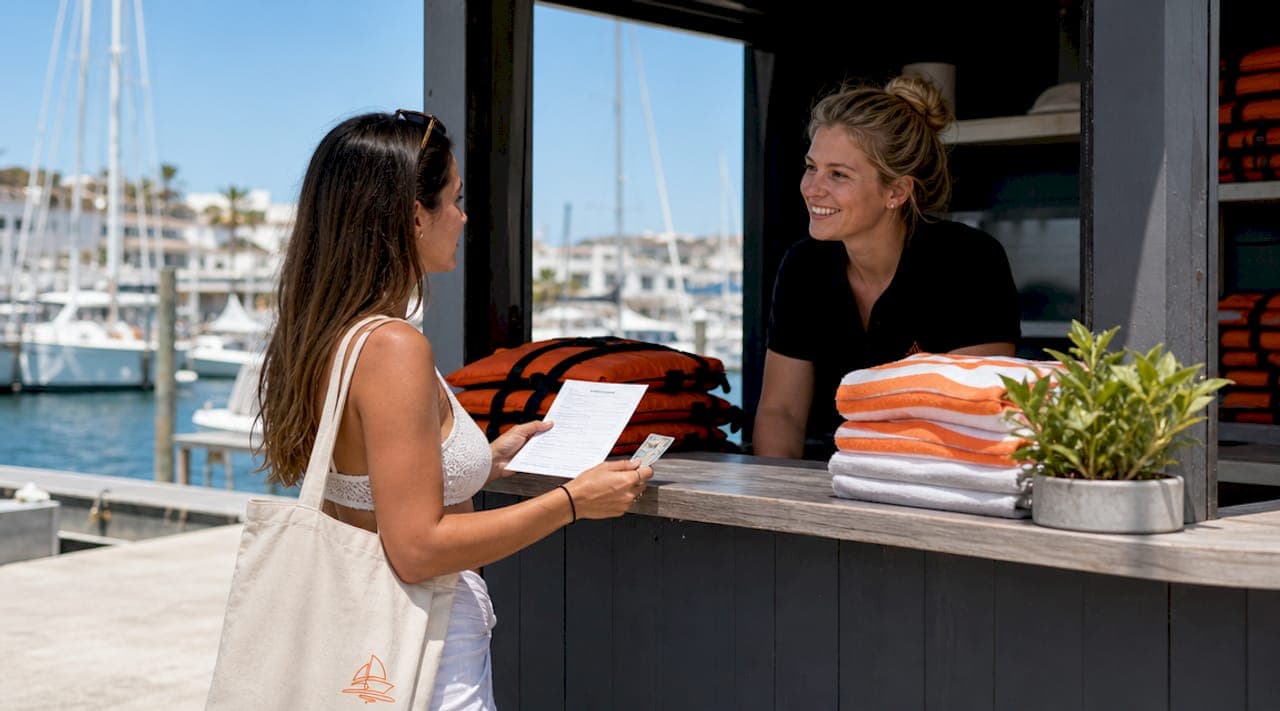
The boat rental workflow is the structured sequence of steps you follow to book, inspect, operate, and return a rental boat without surprises or extra charges. Most first-time renters treat it as a casual transaction, which is exactly why they end up losing deposit money, missing departure windows, or standing at the dock without the right documents. This guide walks you through every stage of the rental process, from choosing a vessel online to getting your security deposit back, with the specific details that actually matter in 2026.
What is the boat rental workflow, and why does it matter?
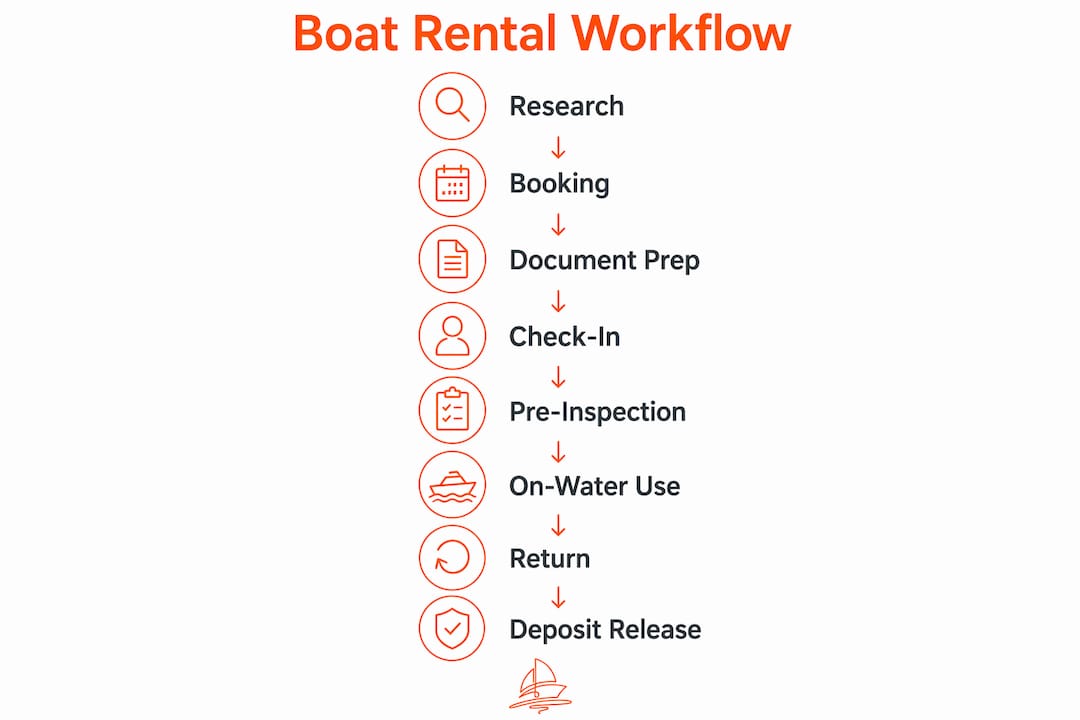
The boat rental workflow covers six distinct stages: research and booking, document preparation, check-in and verification, pre-departure inspection, on-water operation, and the return process. Each stage connects to the next, and a mistake in one creates problems downstream. Skipping the pre-departure photo documentation, for example, leaves you exposed to damage claims you cannot dispute.
Modern boat booking management has shifted significantly toward digital tools. Automated booking systems reduce errors and double bookings by syncing availability across platforms in real time, and online booking is now the preferred method for more than half of all customers. That shift means you can complete much of the workflow before you ever set foot on a dock, which is a genuine advantage if you use it correctly.
Understanding the full process also protects your money. Security deposit holds can take 3 to 7 business days to release after the return inspection, a timeline most renters do not anticipate. Knowing that in advance prevents unnecessary calls to your bank and keeps your travel budget intact.
What documents and prerequisites do you need before renting a boat?
Preparation is the part of the boat rental process most renters underestimate. Showing up without the right documents does not just slow things down. It can cancel your reservation entirely.
Here is what to have ready before your rental day:
- Government-issued photo ID. A passport or driver's license is standard. Some international destinations require both.
- Physical credit card for the security deposit. Most rental companies do not accept debit cards for deposit holds, and deposit amounts range from several hundred to several thousand dollars depending on vessel size.
- Boating license or safety certification. Requirements vary by location. In many U.S. states and European countries, a recognized certificate is mandatory for vessels above a certain horsepower. Check the vessel compliance requirements for your specific destination before booking.
- Proof of insurance or a signed damage waiver. Some operators offer their own damage waiver as an add-on; others require you to carry your own coverage.
- Completed digital waiver. If the operator sends one in advance, sign it before arrival. Digital waivers signed online before arrival reduce dock wait times by 15 to 20 minutes per rental.
Age restrictions also apply on many vessels. Renters under 25 sometimes face higher deposit requirements or restricted vessel categories. Read the rental agreement carefully, paying specific attention to the cancellation policy and liability clauses.
Pro Tip: Screenshot or print every document confirmation, including your booking receipt, ID copies, and signed waiver. Connectivity at marinas is often unreliable, and having offline copies prevents delays.
How does the booking and confirmation process work?
The booking stage sets the tone for everything that follows. A well-managed booking gives you a confirmed vessel, a clear price, and pre-arrival instructions. A rushed or incomplete booking creates confusion on the day.
Follow these steps for a clean booking experience:
- Search by vessel type and date. Use platforms with real-time availability calendars to confirm the boat is actually open on your dates. Platforms like Sailorix display live inventory, which eliminates the back-and-forth that comes with manual inquiries.
- Compare pricing models. Rentals are typically priced hourly, by half day, or by full day. Deposits and damage waivers are usually charged separately. Always calculate the total cost including fees before confirming.
- Complete payment and receive confirmation. A legitimate booking generates an instant confirmation email with the dock location, check-in time, vessel details, and operator contact information.
- Review the cancellation and weather policy. Automated weather cancellation policies reduce stressful manual intervention for both renters and operators. Know your options before bad weather arrives.
- Sign digital contracts in advance. Operators using modern boat rental software send contracts electronically. Completing these before arrival cuts check-in time significantly.
Pricing model comparison at a glance:
| Pricing type | Best for | Watch out for |
|---|---|---|
| Hourly | Short trips, first-timers | Overtime fees add up fast |
| Half day (4 hours) | Day trips with flexibility | Fixed return time, no extensions |
| Full day (8 hours) | Longer excursions | Higher deposit requirement |
| Multi-day charter | Extended travel | Requires more documentation |
Pro Tip: Always verify boat availability directly with the operator after booking online. Platform calendars update in real time, but a quick confirmation call or message eliminates any residual doubt.
What happens during check-in and the pre-departure inspection?
Check-in is where the boat rental process becomes real, and it moves faster than most renters expect. In-person check-in takes between 15 and 20 minutes, covering document verification, deposit processing, and a mandatory safety briefing. Missing any required item at this stage can cancel your reservation without a refund.
Here is what the check-in process typically covers:
- ID and credit card verification. Staff confirm your identity and place the security deposit hold on your card.
- Safety briefing. The operator walks you through engine controls, navigation basics, safety gear locations, emergency procedures, and no-wake zone rules specific to the waterway.
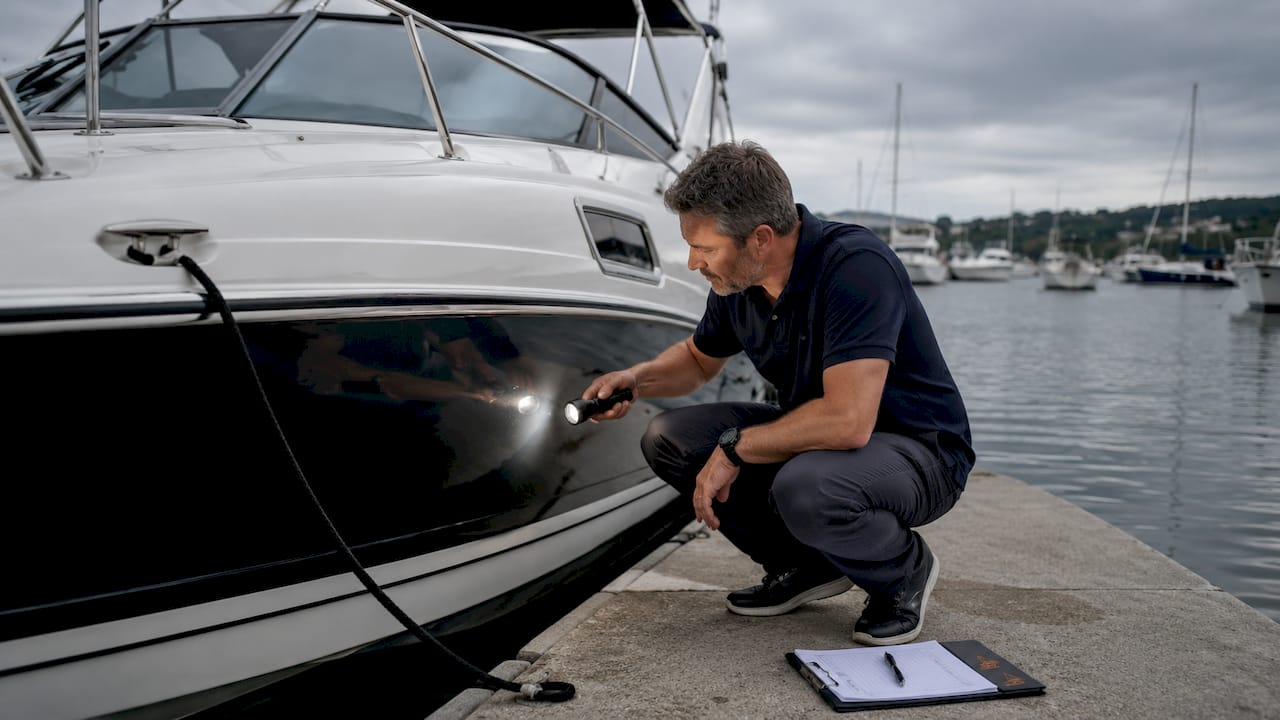
- Pre-departure inspection. This is the most important step most renters rush. Walk the entire vessel with the operator and document hull and propeller condition with time-stamped photos before you leave the dock. Cover the hull, propeller, seating, and any existing scratches or scuffs.
The pre-departure inspection protects you from being charged for damage that existed before your rental. Without your own photographic record, you have no leverage in a dispute. Operators using digital check-in tools often provide a shared inspection form, but always take your own photos regardless.
Pro Tip: Arriving 20 minutes early on rental day gives you time to complete paperwork and the safety briefing without feeling rushed. Late arrivals typically lose that time from their rental window rather than receiving an extension.
What should you know about the on-water experience and return process?
Once you are on the water, the rental clock is running. Respecting the operational rules is not just about safety. It directly affects whether you get your deposit back in full.
Key practices for the on-water portion of your rental:
- Obey no-wake zones. Violations are recorded by marina staff and can result in fines charged to your deposit.
- Monitor fuel levels. Most rentals require you to return the vessel with the same fuel level it had at departure. Running low and refueling incorrectly can trigger additional charges.
- Watch the time. Build a 30-minute buffer into your return plan. Late returns incur hourly fees at rates higher than the standard rental price, and some operators offer flexible timing only if you notify them before the scheduled return time.
- Stay weather-aware. Check conditions before departure and during the trip. Proactive customer communication about weather is a standard part of professional rental operations.
The return inspection is as important as the pre-departure one. Walk the boat with the operator, confirm the fuel level, and photograph the vessel again before handing over the keys. This second set of photos closes the loop on any potential damage disputes.
After the return inspection, the operator releases the security deposit hold. That release takes 3 to 7 business days to appear on your statement, which is a standard banking timeline, not a red flag. Understanding this prevents unnecessary concern after a smooth return.
What are the most common mistakes renters make in the boat rental workflow?
Even experienced renters repeat the same errors. Knowing them in advance is the simplest way to avoid them.
- Arriving exactly on time. Check-in takes 15 to 20 minutes. Arriving at your scheduled start time means your rental begins late, and the clock does not stop for paperwork.
- Bringing a debit card instead of a credit card. Operators hold deposits on credit cards. A debit card refusal at the dock is one of the most common reasons reservations fall apart on rental day.
- Skipping the pre-departure photo documentation. This single omission is responsible for most post-rental deposit disputes. Review common booking mistakes before your trip to avoid the most expensive errors.
- Not reading the rental agreement. Cancellation windows, fuel policies, and liability clauses vary significantly between operators. Assuming standard terms is a reliable way to lose money.
- Ignoring weather buffers. A buffer time of 15 to 90 minutes between bookings is built into professional scheduling to prevent cascading delays. Renters who ignore weather advisories and push departure times create problems for themselves and the next renter.
- Failing to communicate early about delays. If you are running late or need to extend your time, call the operator before your scheduled return. Early notice is the difference between a waived fee and a penalty charge.
Pro Tip: Before your trip, read the vessel documentation examples relevant to your rental region. Knowing what paperwork operators are required to maintain gives you a clearer picture of what to expect at check-in.
Key takeaways
A complete boat rental workflow requires preparation before arrival, documentation at every inspection point, and clear communication with the operator from booking through return.
| Point | Details |
|---|---|
| Prepare documents in advance | Bring a physical credit card, government ID, and any required boating certification to avoid cancellations. |
| Book with real-time platforms | Use systems with live availability to prevent double bookings and receive instant confirmation. |
| Arrive early and inspect thoroughly | Arrive 20 minutes early and photograph the vessel before departure to protect your deposit. |
| Respect return timing | Build a 30-minute buffer into your return plan to avoid overtime fees higher than standard rates. |
| Communicate proactively | Notify the operator early about delays or weather concerns to preserve flexibility and avoid penalties. |
Why the rental workflow is really about communication, not paperwork
At Sailorix, we have seen thousands of rental experiences go smoothly and a meaningful number go sideways. The difference almost never comes down to the boat itself. It comes down to whether the renter treated the process as a conversation or a transaction.
The renters who have the best experiences are the ones who read the confirmation email, sign the digital waiver the night before, show up early, ask questions during the safety briefing, and call ahead if anything changes. That is not a complicated standard. It is just treating the rental operator as a partner rather than a vending machine.
The pre-departure inspection is the step I would argue matters most, and it is the one most renters rush. Two minutes of time-stamped photos at the dock have resolved disputes that would otherwise have cost hundreds of dollars. The security deposit process is not adversarial by design. It becomes adversarial only when documentation is absent.
Modern boat rental software and automation have made the workflow faster and more transparent than it was five years ago. Real-time availability, digital contracts, and automated pre-arrival instructions remove most of the friction that used to exist. Use those tools. They exist to make your experience better, not to replace the human judgment you need on the water.
— Sailorix
Book your next boat rental through Sailorix

Sailorix is a global boat booking platform built around one idea: renting a yacht or boat should not cost you a fortune in service fees. For €100 per year, Sailorix members access thousands of vessels worldwide at roughly 1% service fees, compared to the 10 to 20% charged by most booking platforms. Real-time availability, digital contracts, and automated payment processing mean you spend less time on paperwork and more time on the water. Whether you are planning a weekend trip or a multi-day charter, explore Sailorix memberships to see how much you can save on your next booking. The workflow is already built in.
FAQ
What documents do I need to rent a boat?
Most operators require a government-issued photo ID, a physical credit card for the security deposit, and a boating license or safety certificate if required by local law. Completing any digital waivers before arrival saves significant time at check-in.
How long does boat rental check-in take?
Check-in typically takes 15 to 20 minutes and includes document verification, deposit processing, and a safety briefing. Arriving at least 20 minutes before your scheduled start time prevents losing rental time to paperwork.
How long does it take to get my security deposit back?
Security deposit holds are released after the return inspection and typically take 3 to 7 business days to clear on your bank statement. The timeline is a standard banking process, not an operator delay.
What happens if I return the boat late?
Late returns incur hourly fees at rates higher than the standard rental price. Notifying the operator before your scheduled return time is the most effective way to avoid penalty charges and potentially arrange a flexible extension.
How do I avoid damage disputes after returning a boat?
Take time-stamped photos of the hull, propeller, seating, and deck both before departure and immediately upon return. This photographic record is your primary protection against charges for pre-existing damage.