
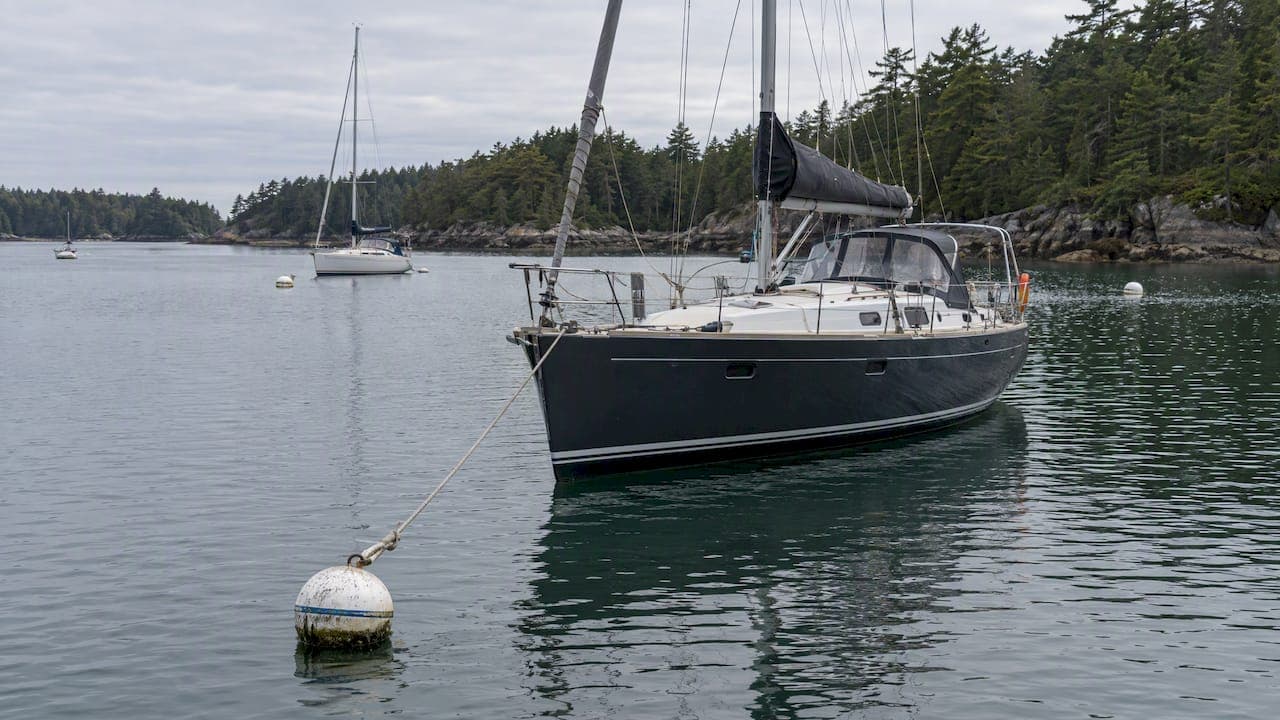
Mooring fees are the separate per-night or per-foot charges you pay to tie up a boat, whether that's a park mooring ball, a marina slip, or transient dockage, and they sit outside your base charter price. Budget a modest nightly rate per foot of boat length, or a flat park fee, and fold it into your Advance Provisioning Allowance (APA) rather than your base charter cost. Rates swing widely by region, season, and vessel size, so treat this as a line item you confirm before you sail, not an afterthought.
TL;DR:
- Marinas charge per foot or at flat rates, sometimes with minimum lengths; power, pump out, waste, and taxes can add separate costs.
- Ketchikan’s municipal tariff lists daily moorage around $1.21 per foot in some rate bands, before separate waste disposal charges and sales tax.
- Charter vessels can face distinct rates, per person charges, or documentation requirements; ask your captain or broker to estimate mooring costs before setting the APA.
- Popular marina slips may book weeks ahead in peak season, while park moorings are often first come, first served; keep a legal anchorage as backup.
- Anchor in safe, legal waters outside fee zones for casual stops, and reserve paid moorings for nights when shore access or power is needed.
Table of Contents
- Mooring, slips, docks, and anchoring: what you're actually paying for
- What mooring actually costs: real rates from U.S. marinas and parks
- How marinas and parks calculate and collect mooring fees
- Charter rules: how the APA covers your mooring costs
- Booking and paying for moorings before and during your trip
- How to cut your mooring and dockage spend on charter
- Planning mooring fees into your charter budget
- How we help you see mooring costs clearly before you book
- FAQ
- Sources
Mooring, slips, docks, and anchoring: what you're actually paying for
Charter invoices mix up terms that mean different things, and knowing which one applies tells you what you owe and why. A mooring ball is a fixed buoy you tie to, often in a park or protected anchorage, maintained by a park service or marina. A slip or dock (sometimes called wet moorage) is a berth alongside a pier with utilities like water and shore power. Transient or guest moorage describes short-term dockage for visiting boats, as opposed to a resident's annual slip. Anchoring means dropping your own ground tackle in open water, usually free unless it's inside a managed park boundary.
On a typical charter week, you'll use a mix of these depending on the stop:
- Overnight stays in a protected bay often mean a mooring ball rental through a park authority.
- Provisioning runs or crew changes usually call for a marina slip with shore power.
- Quiet lunch anchorages are typically free if outside a fee zone.
Billing units vary too: some places charge per foot per night, others a flat nightly fee regardless of length, and many apply a minimum charge even for smaller boats.
What mooring actually costs: real rates from U.S. marinas and parks
Numbers make this concrete. Virgin Islands National Park charges an overnight mooring fee of a flat nightly fee typical of park moorings, with stays capped at 7 nights per bay and 30 nights per year, payable through recreation.gov or on-site pay stations.
a flat nightly fee typical of park moorings is what the National Park Service charges for an overnight mooring ball in Virgin Islands National Park, a useful benchmark for park-managed anchorages elsewhere.
Marinas price differently. Oak Harbor Marina in Washington lists a seasonal guest moorage rate of a seasonal, per-foot nightly rate, with shore power billed separately and the first night typically nonrefundable. A 45-foot charter yacht there would run close to the typical total nightly cost for a mid-sized charter yacht before utilities and taxes, a useful planning anchor even though your actual stop will differ.

Municipal tariffs add more texture. The Ketchikan harbor tariff shows per-foot daily moorage rates around $1.21 per foot in some bands, plus separate line items for solid waste disposal and sales tax. These add-ons rarely show up in a quoted nightly rate, so they catch first-time charterers off guard.
Expect these patterns across most locations:
- Peak season rates run noticeably higher than off-peak, sometimes with holiday surcharges layered on top.
- Minimum charges apply even if your boat is shorter than the posted minimum length.
- Shore-power hookups, pump-out services, and solid waste fees are billed as separate line items, not folded into the nightly rate.
How marinas and parks calculate and collect mooring fees
Payment mechanics differ by location, and knowing the pattern before arrival saves time at the dock.
- Pay stations and apps: Park moorings commonly use recreation.gov or on-site kiosks, often with QR codes for mobile payment, as detailed on the Virgin Islands National Park boating page.
- Marina office systems: Most marinas process payment through a dockmaster's office or an online reservation platform, with Oak Harbor Marina running a cashless policy and group bookings handled through Dockwa.
- Deposits and minimums: Many marinas require the first night's payment upfront and nonrefundable, and some apply minimum-length charges regardless of your actual boat size.
- Taxes and surcharges: Municipal tariffs, like Ketchikan's, layer sales tax and utility charges on top of the base rate, and these appear as separate invoice lines.
- Reservation policies: Some locations take reservations months ahead, while others, especially park mooring fields, run strictly first-come, first-served.
Charter rules: how the APA covers your mooring costs
Charter vessels aren't always billed the same as private boats. Some ports require a charter vessel registration or operator agreement before granting dockage, and municipal tariffs sometimes carry a distinct charter rate line separate from private recreational rates. A guide to charter management services covers the documentation and operator obligations that can affect how a charter vessel interacts with marinas and port authorities.
A few things worth knowing before you book:
- Charter vessels may be charged per-person fees or higher flat rates than private boats of the same length.
- Insurance or vessel declaration requirements can be a condition of dockage in some ports.
- Mooring fees are normally paid from the APA, the prepaid account your captain draws from for on-trip costs, so they shouldn't come as a surprise charge at the end of your trip.
Our guide to APA costs breaks down what typically falls under this account and how captains manage it day to day.
Pro Tip: Ask your captain or broker for an estimated mooring line item before you finalize your APA, not after the trip starts.
Booking and paying for moorings before and during your trip
Timing matters. Marina slips in popular regions can book out weeks ahead in peak season, while park mooring balls are frequently unreservable and run first-come, first-served, so arriving earlier in the day improves your odds.
Expect to work with a few different channels:
- Official park payment apps, similar to recreation.gov, for government-managed mooring fields.
- Marina reservation platforms or direct calls to a dockmaster's office for private and municipal marinas.
- On-arrival paperwork, where staff may ask for your vessel's length overall (LOA), registration, and proof of payment.
When a location is first-come, first-served, build a backup anchorage into your itinerary so a full mooring field doesn't derail your schedule.
How to cut your mooring and dockage spend on charter
A few habits consistently lower total mooring spend without cutting into your itinerary.
- Anchor in safe, legal anchorages for casual stops and reserve paid moorings for nights when you need shore access or power.
- Avoid holiday weekends and peak-season dates when rates and surcharges run highest.
- Ask marinas directly about short-stay or off-peak discounts before booking.
- Confirm shore-power and plug fees ahead of time so they don't surprise you on the invoice.
- Coordinate with your captain to plan mooring stops that make efficient use of your APA rather than booking marinas out of convenience alone.
Our budget charter guide covers more ways to trim total trip costs beyond mooring alone.
Pro Tip: Before your trip starts, ask your captain for the planned mooring stops and their approximate nightly cost, then compare that total against your APA balance.
Planning mooring fees into your charter budget
That buffer covers the add-ons that rarely appear in a quoted nightly rate but show up on the final invoice.
Before you sail, ask your charter operator or marina to confirm the nightly rate, any minimum-length charge, shore-power cost, and whether the first night is refundable. Our payment schedule guide walks through how these costs typically fit into deposit and APA timing.
— SAILORIX
How we help you see mooring costs clearly before you book
We built our membership model around the idea that you shouldn't lose budget to hidden markups before you even start planning line items like mooring.
When you book through our platform, you can see fee details and add-on costs, like a skipper or equipment, laid out clearly on the boat's listing page, so you're not guessing what's included before you plan the rest of your trip. Our explanation of charter fees breaks down how service fees and base charter costs fit together.
A few ways our membership supports better trip budgeting:
- Our membership model includes a flat annual fee that unlocks access to reduced service fees on bookings.
- Real-time availability across our fleet listings helps you compare boats and plan add-ons before committing.
- Clear fee breakdowns on booking pages make it easier to estimate your total trip cost, mooring included.
Browse our membership details or check available boats to see how the numbers work out for your next charter.
FAQ
How much is a 3-day charter on Below Deck?
We don't have published pricing data tied to that specific show, so we can't state a reliable figure here. What we can say is that mooring and dockage costs are a separate line item from the base charter price on any real-world charter, and they should be budgeted alongside your APA regardless of the boat or itinerary.
What do mooring fees mean?
Mooring fees are charges for tying your boat to a fixed mooring ball, buoy, or marina berth rather than anchoring freely. They're billed separately from your charter price, often per foot per night or as a flat nightly rate, and they cover maintenance of the mooring infrastructure or marina facilities.
What is the cheapest way to moor a boat?
Anchoring in a legal, safe anchorage outside a fee zone is generally the lowest-cost option, since it avoids mooring ball and marina charges entirely. When you do need a marina, booking during off-peak season and avoiding holiday weekends typically keeps nightly rates lower.
Sources
- Fees & Passes - Virgin Islands National Park
- Guest Moorage | Oak Harbor, WA
- Codes and Rates April 1, 2026 - Ketchikan harbor tariff