

The main hidden costs that typically stack onto a quoted charter price are fuel (including tender and toy fuel and repositioning), the Advance Provisioning Allowance, crew gratuities, docking and port fees, delivery and redelivery fees, taxes and VAT, and security deposits. Together they can be comparable to or add substantially to the base charter fee.
Two things to do before you sign anything: ask your broker or captain for a written APA estimate and a fuel projection based on your actual itinerary, not a generic average.
- APA: typically 25% to 40% of the base charter fee, covering fuel, food, port fees, and tenders
- Crew gratuities: customarily 10% to 20% of the charter fee
- Fuel, marina fees, delivery charges, taxes, and deposits: highly variable, driven by itinerary and season
Pro Tip: Get the APA percentage and the fuel estimate in writing before you pay a deposit. Verbal ballparks rarely survive contact with an actual itinerary.
Key Takeaways
Budgeting accurately for a yacht charter means treating the quoted fee as a floor, not a total, and pricing fuel, APA, gratuities, fees, and insurance separately before you commit.
| Point | Details |
|---|---|
| APA runs 25% to 40% | Fund this operating account for fuel, food, and port fees, and expect a reconciliation statement at charter's end. |
| Gratuities add 10% to 20% | Budget crew tips separately from the base fee and the APA, following regional norms. |
| Fuel and ports vary widely | High-speed repositioning and festival-week marinas can multiply these costs compared to a slow, off-season route. |
| Lock terms before signing | Request written APA samples, fixed delivery quotes, and a clear deposit refund timeline in the contract. |
| Sailorix cuts fee exposure | Roughly 1% service fees and real-time availability reduce the layer of cost you can actually control before fuel and APA apply. |
Table of Contents
- Understanding Yacht Charter Hidden Costs Line by Line
- How Do APA, Taxes, and Delivery Fees Change the Final Bill?
- What Should You Ask Before You Sign a Charter Contract?
- How Sailorix Helps You Avoid Hidden Charter Surprises
- What Shore Excursions and Activities Cost Beyond the Charter Price
- What Happens When You Change Plans Mid-Charter?
- Do Customs and Immigration Add Costs for International Charters?
- What Do Cancellation and Rescheduling Actually Cost?
- Sources
Understanding Yacht Charter Hidden Costs Line by Line
A charter fee covers the yacht, the crew's base wages, and standard insurance. It does not cover fuel, food, drinks, docking, or most of what makes the week feel indulgent. Once you separate those two buckets, the "hidden" part of yacht charter hidden costs stops feeling mysterious and starts feeling like a spreadsheet.
Fuel is usually the single biggest wild card. Engines, generators, tenders, and water toys all burn fuel, and consumption depends heavily on speed, route, and how much repositioning happens mid-charter. A slow, coastal week hopping between nearby anchorages burns a fraction of what a high-speed run between distant island groups does. Toys like jet skis and inflatable towables add their own fuel draw on top of the yacht's main tanks, and captains rarely itemize that separately until the final accounting.
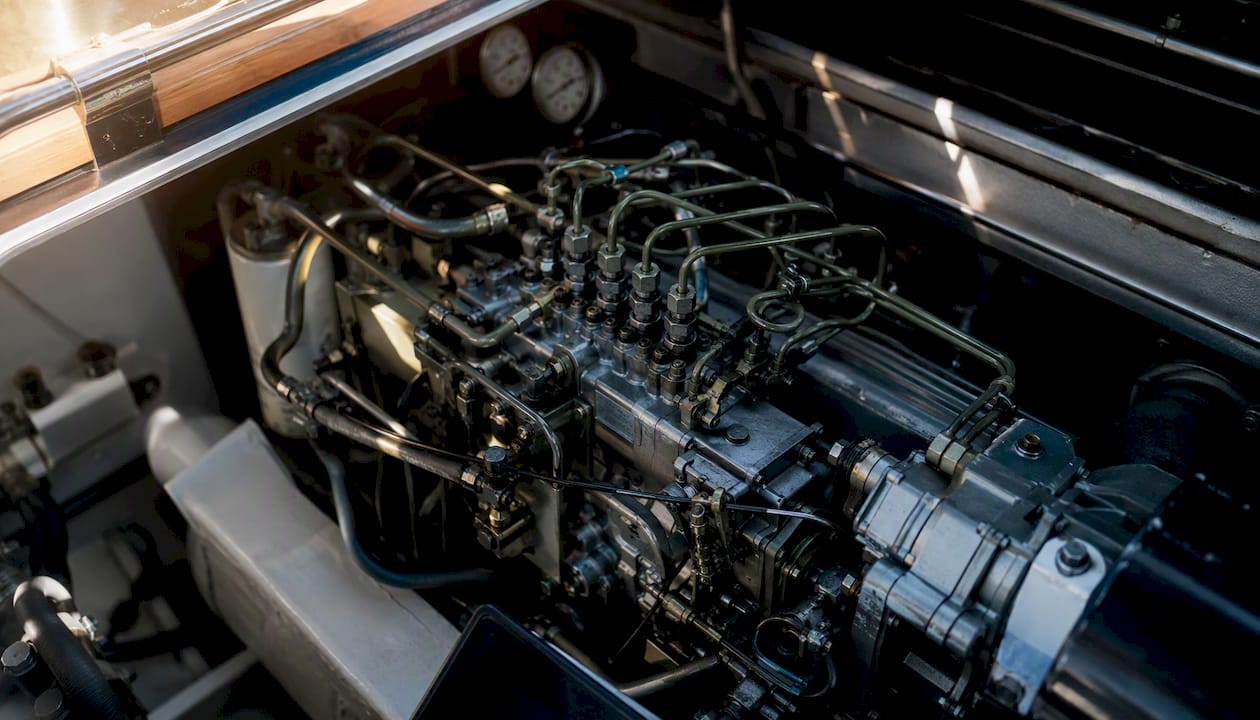
The APA functions like an escrow account. You fund it upfront, typically 25% to 40% of the base fee, and the captain draws from it throughout the week for fuel, provisioning, port fees, and incidentals. At the end of the charter, the captain presents a statement of accounts and refunds whatever wasn't spent. It's transparent in theory. In practice, the accuracy of that refund depends entirely on how well the captain tracks receipts, so ask upfront how reconciliation works.
Crew gratuities sit outside the APA and outside the charter fee. The customary range runs 10% to 20% of the charter fee, with the higher end typical when service is exceptional or the crew handled a demanding itinerary. Norms shift by region, so a Mediterranean charter and a Caribbean charter may carry different unspoken expectations.
Docking, marina, and port fees swing wildly based on where you stop. Premium marinas and festival weeks can charge dramatically more than a quiet off-season anchorage, and an overnight berth in a high-demand harbor costs far more than a night on the hook.
Here's how the remaining line items typically behave:
- Security deposits and insurance usually require a hold equal to a set percentage of the charter value, refunded after a damage inspection; charterer's insurance is worth adding for anything beyond a short local trip.
- Communications and Wi-Fi run on satellite packages that get expensive fast once streaming enters the picture, so ask about data caps before assuming unlimited access.
- Toys and equipment carry their own fuel, maintenance, and sometimes licensing costs, and anything rented from a third party (like a submersible or a paddleboard set beyond what's onboard) adds a separate line.
- Special requests and onboard events (a birthday dinner, a live band, a specific rare wine) get charged through the APA and can quietly inflate that account well past its estimate.
- Cancellation and curtailment insurance protects your payment if the charter gets cut short or canceled for reasons outside anyone's control, and it's a separate purchase from the security deposit.
Operational extras beyond the base fee often add 25% to 30% or more depending on consumption and provisioning choices, which is a useful rule of thumb when you're sketching a first budget. Understanding what a charter fee actually includes before you request quotes saves you from comparing two boats on incompatible terms.
How Do APA, Taxes, and Delivery Fees Change the Final Bill?
The APA is not a fee. It's a prepaid operating account the captain manages and reconciles, refunding the unused balance at the end of the week. Taxes work differently: VAT or local cruising taxes generally apply based on where the charter begins, and they're often calculated pro rata against the base fee. Rules vary sharply by cruising ground, so confirm the applicable rate with your broker before you budget, rather than assuming a flat number.
Delivery and redelivery fees get estimated using distance, fuel burn, and crew time to move the yacht to your requested embark point and back to its base afterward. Ask for that estimate as a fixed number, not a range.
Here's a simplified worked example on a $50,000 base charter fee:
What Should You Ask Before You Sign a Charter Contract?
A few sharp questions before booking prevent most surprise invoices later.
- Request an APA sample from a previous charter of similar length and region, itemized by category.
- Get a fuel-consumption estimate tied specifically to your proposed itinerary, not a generic seasonal average.
- Ask for berth cost estimates for every planned overnight port, especially any during festival or holiday weeks.
- Get delivery and redelivery quoted as fixed numbers, not "to be determined."
- Confirm the security deposit amount and refund timeline in writing before transferring funds.
Lock these into the contract: itemized APA examples from past charters, a stated deposit refund window, and a defined process for mid-charter APA top-ups if funds run low.
Watch for red flags: vague line items labeled "other expenses," no promise of an APA reconciliation statement, open-ended service fees with no cap, or contracts that mix currencies without a clear conversion method. During the charter itself, ask for a running APA tracker, request receipts on demand, and set expectations on cruising speed to avoid a fuel spike nobody budgeted for.
Pro Tip: If a broker can't produce a real APA example from a past charter, treat that as a signal to ask more questions, not fewer.
How Sailorix Helps You Avoid Hidden Charter Surprises
Sailorix built its membership model around one problem: most of the surprise in yacht charter hidden costs comes from opaque fee structures stacked on top of an already unclear base price. At roughly 1% in service fees instead of the 10% to 20% common elsewhere, the fee layer you can actually control shrinks dramatically before you even get to fuel or APA.
- Real-time availability search reduces the odds you'll need a costly repositioning leg
- Itinerary-based estimates help you compare fuel exposure before booking
- Standardized documentation makes it easier to hold captains to a written APA figure
Ask for an APA sample and a fuel estimate before you commit. A platform that keeps its own fees transparent tends to attract operators willing to do the same.
What Shore Excursions and Activities Cost Beyond the Charter Price
Almost nothing you do off the boat is included in the charter fee. Scuba certification dives, guided hikes, wine tastings at a vineyard, private beach club access, jet ski excursions beyond the yacht's own toys, and any land-based tour typically get booked and paid separately, often through the captain or a local concierge the crew arranges.
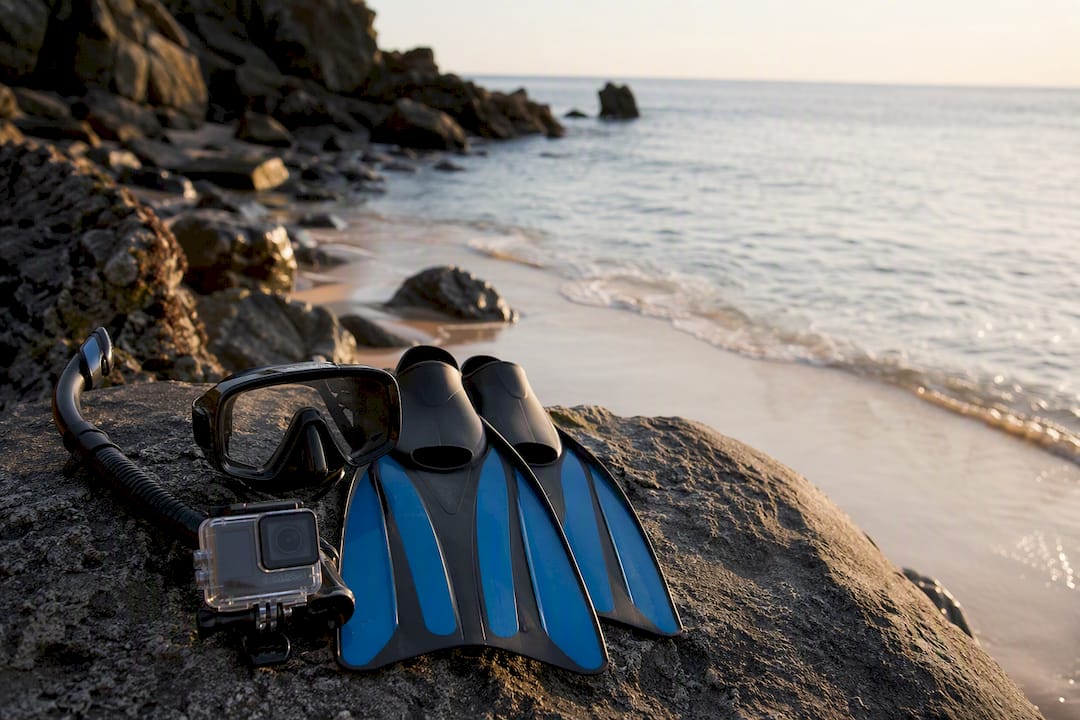
Prices vary enormously by destination. A half-day snorkeling excursion in one region might cost a fraction of a comparable outing somewhere with heavier tourist demand or limited operators. Private guides, translators, or specialty experiences (truffle hunting, a helicopter transfer, a Michelin-adjacent restaurant reservation) push costs higher still, and crews sometimes add a small arrangement fee for coordinating third-party vendors.
Budget a separate line for excursions before you finalize your itinerary, and ask the crew early what's realistic given your ports of call. Some captains have standing relationships with local operators that get you better rates than booking independently once ashore. Others will simply pass along whatever the vendor quotes.
If shore experiences matter more to you than square footage on the boat, it's worth trimming elsewhere (a slightly smaller yacht, a shorter charter) to protect that part of the budget. The charter fee buys you the vessel and crew. Everything you do once you step off the swim platform is its own decision, and its own invoice.
What Happens When You Change Plans Mid-Charter?
Charters are living itineraries, and that flexibility comes with a price tag most people don't anticipate. A last-minute request to swap a scheduled anchorage for a farther port adds fuel and crew time beyond what the APA was built to cover. A spontaneous request for a private chef upgrade, a specific rare spirit, or an unplanned dinner event gets charged straight through the provisioning account, often at a premium since the crew has to source it quickly.
Weather reroutes are the most common trigger. If a squall forces a change of anchorage or an extra travel day, the additional fuel and any new berth fees typically come out of the APA, and if the account runs dry, you'll be asked for a top-up before the crew commits to more spending.
Special requests during a charter (adding a scuba instructor for a day, arranging a helicopter transfer, requesting an off-menu ingredient flown in) each carry their own cost, layered on top of what you already funded. None of this is dishonest. It's simply how a flexible, live-service product works. The fix is asking the captain, at the start of the week, how changes get priced and confirmed, so a "sure, no problem" doesn't turn into an unpleasant number on the final statement.
Do Customs and Immigration Add Costs for International Charters?
Crossing borders during a charter introduces a layer of cost that domestic itineraries never touch. Clearing customs and immigration in a foreign port typically requires an agent, and agent fees vary by country, sometimes covering paperwork, sometimes covering the agent's physical presence at the dock to expedite clearance.
Some jurisdictions charge cruising permits or transit fees simply for a foreign-flagged yacht to enter their waters, separate from any docking cost. Others levy a fee per crossing, which matters if your itinerary hops between multiple countries in a single week rather than staying within one region.
Overtime charges are common too. Clearing in outside standard business hours, on a weekend, or on a local holiday often triggers a premium rate from customs officials, and that cost typically lands on the charterer, not the crew. Captains generally know these rules cold for their cruising ground, but it's worth asking directly: which borders will this itinerary cross, and what does clearance typically cost at each one? An itinerary that looks adventurous on a map can get considerably more expensive once every border crossing carries its own agent fee.
What Do Cancellation and Rescheduling Actually Cost?
Charter contracts almost universally include a cancellation schedule, and the closer you cancel to the start date, the more of your deposit or full charter fee you lose. Many contracts scale this: cancel far enough in advance and you might forfeit a modest portion, while canceling within a few weeks of embarkation can mean losing the entire fee.
This is exactly why cancellation and curtailment insurance exists as a separate product from your security deposit. It protects you specifically against the financial loss of a canceled or shortened charter due to circumstances like illness, a family emergency, or in some cases weather events severe enough to prevent the trip. It's priced independently and purchased ahead of time, not something you can add after a cancellation is already underway.
Rescheduling terms differ by operator. Some brokers will shift your dates without penalty if you give enough notice and the new dates are available on the same yacht. Others treat a reschedule identically to a cancellation and rebooking, which triggers the same fee schedule all over again. Ask specifically about rescheduling flexibility before you book, especially if your dates depend on anything outside your control, like a connecting flight or a work schedule. For any charter representing a meaningful financial commitment, cancellation insurance is worth pricing out alongside the deposit itself, not as an afterthought once you've already paid.
A Word on What's Worth the Splurge
The most memorable moments on a charter are rarely the cheap ones. A late-night arrival into a lit-up harbor during festival week, an impromptu chef's tasting menu, a helicopter transfer that turns a travel day into part of the adventure. These cost real money, and I'd rather see you spend deliberately on the two or three things that will actually stick in memory than nickel-and-dime every line item out of fear.
The real defense against yacht charter hidden costs was never stinginess. It's clarity. A firm APA estimate in writing, an early conversation about what "special request" pricing looks like, and a captain who answers questions plainly before you sign, that's what keeps a great week from ending with a bad surprise.
— SAILORIX
Get a Transparent Charter Quote Before You Commit
Most of what turns into yacht charter hidden costs traces back to unclear fee structures baked into the booking itself, long before fuel or APA even enters the picture. Members also get access to standardized APA templates they can hand straight to a broker, which turns "trust me" into a documented starting point for negotiation.

If you're ready to compare charter options without guessing at what the final invoice will look like, visit the Sailorix landing page to check availability and request a transparent, itemized quote for your dates.
Sources
- Yacht charter cost explained
- Hidden Costs of Yacht Charter – What Brokers Rarely Explain
- How Much Does It Cost to Charter a Yacht?
- 10 Hidden Costs to Consider When Booking a Luxury Yacht