
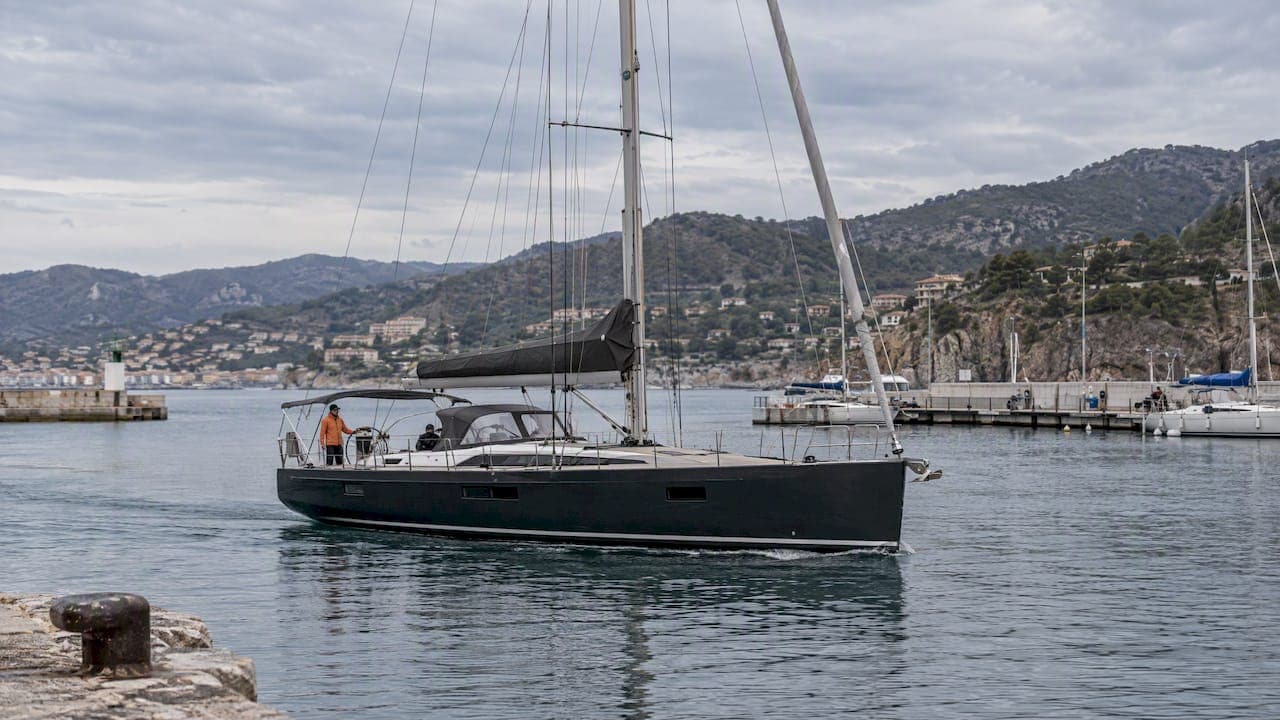
For many charterers, shoulder season delivers warm seas, emptier anchorages, and meaningful savings, with manageable weather tradeoffs if you plan flexibly. The sweet spots fall in late May through June and September in the Mediterranean, and May through June plus early November in the Caribbean. Even so, the most sought-after yachts in these windows often still require booking well ahead.
TL;DR:
- Caribbean dates in May, June, or early November fall within Atlantic hurricane season, June 1 to November 30; confirm interruption coverage and contingency plans.
- Book top yachts 4 to 8 months ahead for shoulder dates; peak season requires 12 to 18 months, and popular boats can disappear sooner.
- Because APA, gratuity, and most taxes are percentage based, a lower base fee reduces those charges; flexible dates or repositioning trips may also improve rates.
- Keep stops close, limit plans to one destination daily, and leave a midweek repositioning day for weather changes rather than risking the full route.
- Choose peak season for milestone events, large groups, or the most predictable weather; shoulder season suits travelers able to absorb a day's itinerary change.
Table of Contents
- What shoulder season means for a yacht charter
- Region-by-region shoulder-season windows and what to expect
- Weather, safety, and risk management for shoulder-season sailing
- Availability, booking timelines, and what shoulder season actually saves you
- Designing a shoulder-season itinerary that works
- How SAILORIX supports shoulder-season charter planning
- Is shoulder season right for you?
- Book your shoulder-season charter through SAILORIX
- FAQ
- Sources
What shoulder season means for a yacht charter
Shoulder season sits between the crowded peak months and the quieter off-season, when weather turns unpredictable or marina services wind down. For Mediterranean sailing, that usually means late spring and early fall; for the Caribbean, it means the weeks just before and after the busiest winter and early-summer stretches. We think of it as the window where conditions stay sailable but demand has not yet peaked, or has just passed.
The appeal goes beyond calendar timing. Base charter fees tend to drop, anchorages that feel packed in July open up, and sea temperatures in early autumn often remain warm because water lags behind air temperature changes, a pattern well documented for the Mediterranean sailing season.
The tradeoffs are real too:
- Weather variability increases, with more wind shifts and occasional storm systems depending on the region.
- Some marinas reduce staff hours or close certain services as the season winds down.
- Yachts may be mid-repositioning between charter grounds, which can limit availability on specific dates.
Region-by-region shoulder-season windows and what to expect
Shoulder windows vary by region, and knowing the local pattern helps you choose dates that match your tolerance for variability.
- Mediterranean: Late May through June and September are the classic shoulder months. The Meltemi winds in the Aegean tend to ease outside peak summer, and sea temperatures often stay comfortable into September even as air cools, a detail covered in our guide to the best Mediterranean sailing season.
- Caribbean and Bahamas: May through June and early November offer lighter crowds and softer pricing, but these months sit inside the Atlantic hurricane season, so flexibility matters.
- British and US Virgin Islands: Shoulder windows here tend to be forgiving, with steady trade winds and fewer charter boats competing for the same mooring balls.
- Croatia, the Balearics, and the Turkish Riviera: Spring and autumn bring milder winds than peak summer, though the Bora in the Adriatic and the Meltemi near Turkey can still produce sudden gusts worth watching.
- Longer-haul regions like Southeast Asia run on their own monsoon-driven calendar, so shoulder timing there rarely aligns with Atlantic or Mediterranean patterns.
Travel tips from sailing enthusiasts echo this regional variation: the "best" time to sail depends heavily on which coastline you're chasing.
Weather, safety, and risk management for shoulder-season sailing
Weather is the main variable that separates a smooth shoulder-season trip from a disrupted one, especially in the Atlantic basin. The North Atlantic hurricane season runs from June 1 through November 30, with peak activity typically in August through October, according to the Climate Prediction Center. NOAA's 2026 Atlantic hurricane outlook points to a below-normal season as most likely, though the agency is clear that seasonal outlooks are probabilistic and never predict specific landfalls.
A below-normal season doesn't mean a storm-free one. NOAA still recommends preparedness even in years expected to run quieter than average.
Practical steps worth taking before you book include building flexibility into your itinerary, checking whether your charter agreement or travel insurance covers trip interruption from named storms, and discussing contingency anchorages with your captain before departure to manage weather or forecast changes.

Availability, booking timelines, and what shoulder season actually saves you
Peak-season charters on top yachts often get booked 12 to 18 months out, while shoulder-season dates typically need 4 to 8 months of lead time, based on industry charter planning guidance. Some experienced charterers now book shoulder months just as early as peak weeks, since demand for these dates has grown.

Base fee discounts matter more than they first appear. Because the Advance Provisioning Allowance, gratuity, and most taxes are calculated as a percentage of the base fee, a lower starting price shrinks every line item that follows, as outlined in our breakdown of yacht charter prices.
A few tactics help you capture the best shoulder-season inventory:
- Stay flexible on departure dates, since shifting by even a few days can unlock a better rate or a better boat.
- Consider weekday embarkation instead of the traditional Saturday turnover.
- Ask about repositioning charters, when a yacht needs to move between charter grounds and offers a discounted one-way trip.
- Reach out early even for shoulder dates, since the strongest inventory still moves fast, a point reinforced in our piece on booking early for yacht rentals.
Pro Tip: Ask your booking platform about repositioning legs between charter regions. They often combine shoulder-season pricing with routes you wouldn't otherwise get to sail.
Designing a shoulder-season itinerary that works
A shoulder-season trip rewards a simpler itinerary. Clustering stops within a tighter geographic radius reduces the hours spent transiting in unpredictable wind, and planning no more than one destination per day keeps the pace relaxed rather than rushed, advice consistent with first-timer charter guidance. Building in one midweek repositioning day gives the captain room to adjust around weather without scrapping the whole plan.
Setting expectations with your group early also helps. Let guests know the itinerary may shift a day or an anchorage depending on conditions, and frame that flexibility as part of the shoulder-season experience rather than a disappointment.
A little packing and logistics notes round things out:
- Pack soft-sided luggage, since it stores far more easily aboard than hard cases.
- Ask about expedited check-in if you're arriving on a tight connection.
- Confirm the embarkation checklist ahead of time using a resource like our first-timer's charter guide.
Additional perspective on itinerary pacing and group logistics appears in this luxury charter planning guide as well.
How SAILORIX supports shoulder-season charter planning
We built our platform around real-time availability search, so you can see which yachts are actually open during shoulder windows instead of guessing from outdated listings.
Here's how that translates for shoulder-season travelers specifically:
- Live inventory lets you compare shoulder-month availability across regions in one search.
- Membership access offers discounted service fees on bookings, which may combine with seasonal rate reductions.
- Our team offers guidance on booking timelines, so you know when to commit versus when to wait for better inventory.
We also maintain concierge-style support for members working through add-ons like skippers, insurance, or early check-in.
Is shoulder season right for you?
Shoulder season fits travelers who can tolerate some weather variability in exchange for quieter anchorages and lower costs. Ask yourself a few questions before committing:
- Can your schedule absorb a day's itinerary shift if conditions change?
- Do you value solitude at anchor more than guaranteed calm seas?
- Is cost savings a meaningful factor in your decision?
Peak season remains the better choice for milestone events, large group charters, or travelers who want the most predictable weather available.
— SAILORIX
Book your shoulder-season charter through SAILORIX
Shoulder-season savings only matter if you can find and lock in the right yacht before it disappears from availability. Our platform gives you real-time search across global inventory, so you can compare shoulder-month options without chasing quotes from multiple brokers.

- Check live availability and pricing at Sailorix.
- Review membership tiers and benefits on our programs page.
- Browse typical inventory on our fleet page before you commit to dates.
Start your search today and see what shoulder-season rates look like for the yachts on your list.
FAQ
What is the 10% rule for yachts?
The "10% rule" is a rough budgeting guideline for annual yacht ownership costs, including maintenance, insurance, and docking, as a percentage of the boat's purchase price. It applies to ownership rather than chartering, where costs are instead structured around a base fee plus percentage-based add-ons like APA and gratuity.
What is the charter season for yachts?
Charter seasons vary by region: the Mediterranean generally runs from May through October, while the Caribbean's high season peaks in winter and early spring. Shoulder windows, like late May through June and September in the Mediterranean, fall between these busier stretches and often bring lower rates and lighter crowds.
How much is a 3-day charter on a yacht?
Pricing depends heavily on yacht size, region, and season, with shoulder-season base fees typically lower than peak-season rates for the same vessel. Our breakdown of yacht charter prices walks through how base fees, APA, gratuity, and taxes combine into a total cost, and checking live listings on Sailorix gives you current figures for specific boats and dates.
Does shoulder season affect charter cancellation policies?
Cancellation and refund terms are set by the individual charter contract and yacht operator rather than by season, though some operators build in added flexibility during shoulder months given the higher weather variability. Always confirm the specific cancellation terms before booking, particularly for dates that fall within hurricane season in Atlantic-facing destinations.
Sources
- NOAA predicts below-normal 2026 Atlantic hurricane season | National Oceanic and Atmospheric Administration
- The Superyacht Charter Playbook: How to Choose the Right Yacht, Crew, and Itinerary (and Avoid Expensive Mistakes) – Yacht News
- Charter Advice for First-Timers - SAIL Magazine