
Sustainable boating practices are the essential actions boaters take to reduce pollution, protect marine habitats, and conserve resources while enjoying the water. The industry term for this discipline is "green boating," and it covers everything from waste management and fueling habits to anchoring technique and hull maintenance. 30–50% of coral reefs worldwide have already been lost, which means every choice you make on the water carries real ecological weight. Sailors for the Sea, one of the leading authorities on ocean stewardship, frames green boating not as a sacrifice but as a set of habits that protect the very environments that make boating worth doing.
1. Sustainable boating practices: managing waste and reducing pollution
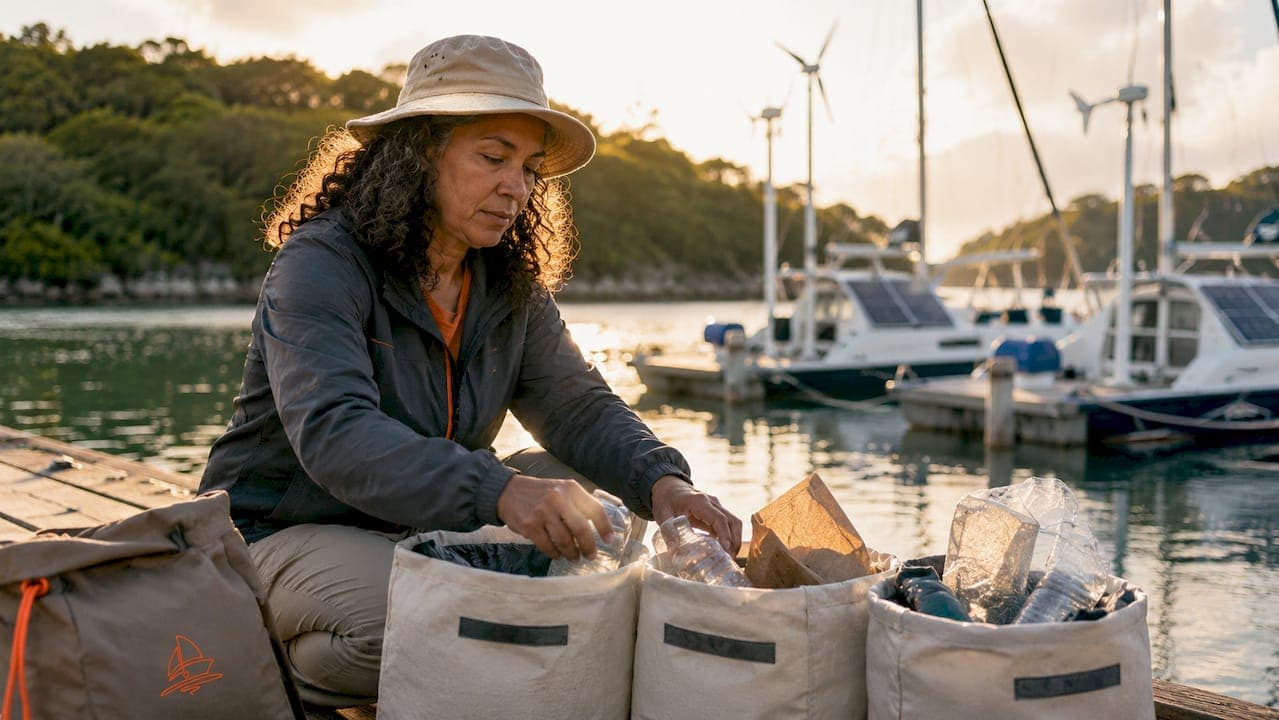
Waste management is the foundation of eco-friendly boating. The carry-in, carry-out principle applies on the water just as it does on a hiking trail. Everything you bring aboard, you take back to shore for proper disposal.
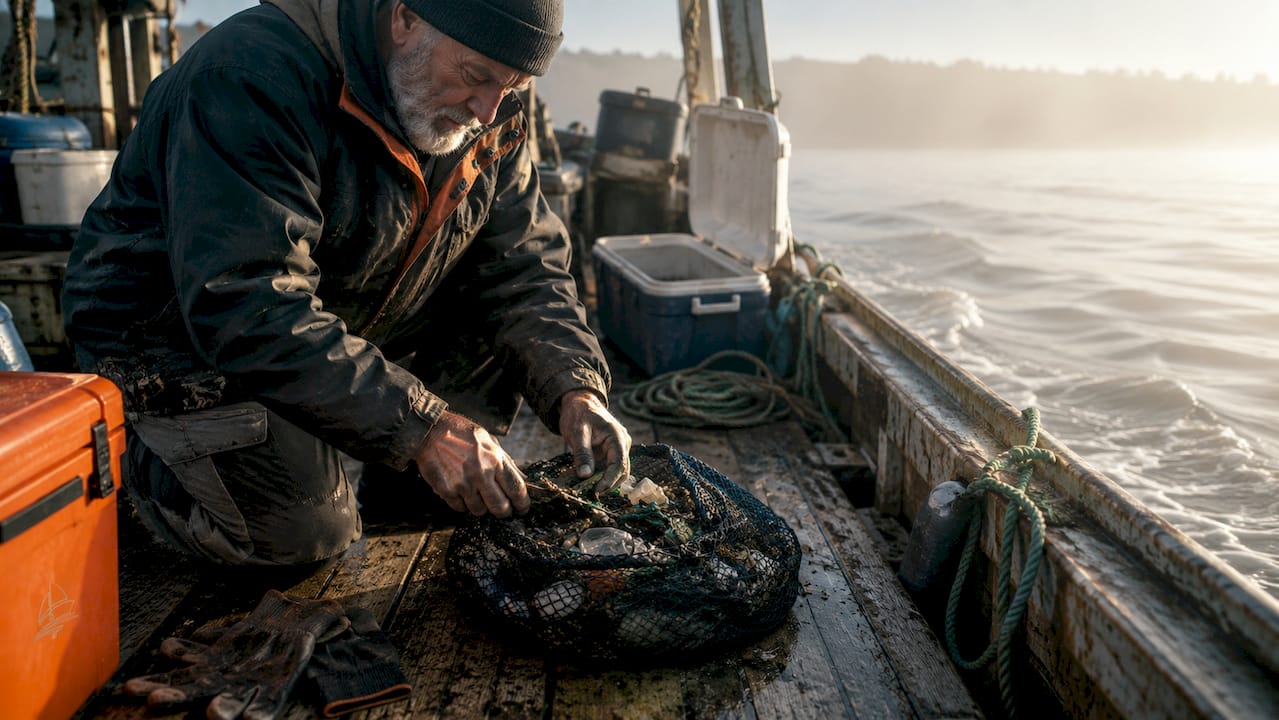
Single-use plastics are the biggest offender. Swap plastic water bottles for reusable ones, replace disposable cutlery with stainless steel sets, and store food in reusable containers. These swaps cost almost nothing but eliminate the most common source of marine litter.
Sewage is a separate and serious issue. Use your boat's holding tank and pump it out only at designated pump-out stations. Never discharge untreated sewage in coastal or inland waters, regardless of local regulations, because the ecological damage outlasts any convenience.
- Bilge maintenance: Check your bilge regularly and use oil-absorbent pads to capture any fuel or oil before it reaches the water.
- Fishing line: Collect used monofilament and deposit it in dedicated recycling tubes found at most marinas. Discarded line entangles wildlife and persists in the environment for centuries.
- Hazardous fluids: Store used oil, batteries, and antifreeze in sealed containers and drop them at marina hazardous waste collection points.
- Cleaning products: Use only biodegradable, phosphate-free soaps and detergents. Biodegradable, non-toxic cleaners prevent chemical harm to aquatic ecosystems while cleaning just as effectively as conventional products.
Pro Tip: Pack a small mesh bag on every trip specifically for collecting any floating debris you spot near your boat. It takes two minutes and makes a measurable difference over a season.
2. Fueling smartly to prevent spills and cut emissions
Fuel spills are one of the most preventable forms of marine pollution. A few simple habits at the fuel dock eliminate the majority of spill risk.
- Leave tank space. Leave 5–10% of your fuel tank empty to accommodate thermal expansion. Fuel warms and expands after you leave the dock, and a full tank vents overflow directly into the water.
- Use absorbent cloths. Place an absorbent cloth under the fill nozzle during refueling to capture drips before they reach the water.
- Fuel slowly. Fill at a slow, steady rate to avoid overflow from air pockets in the tank.
- Use a funnel. When topping off portable tanks on deck, always use a funnel with a screen to catch debris and control flow.
- Maintain your engine. Well-maintained engines burn fuel more efficiently, which reduces harmful emissions and lowers your fuel costs at the same time. A full marine diesel engine service schedule, including impeller checks, fuel filter replacements, and injector inspections, keeps combustion clean.
- Consider biofuels. Some marinas now offer biofuel blends compatible with diesel engines. These blends reduce net carbon output without requiring engine modifications.
Pro Tip: Keep a small spill kit, including absorbent pads and a bilge sock, in your engine compartment at all times. Regulatory inspections in many jurisdictions now require one, and it pays for itself the first time you use it.
3. Anchoring responsibly to protect the seabed
Anchoring is one of the most damaging things a boater can do to a marine habitat if done carelessly. As wind and tide cause a boat to swing, the anchor chain sweeps a wide arc across the seabed, uprooting seagrass and crushing coral. The damage from a single anchor drop in a sensitive area can take decades to recover.
The fix is straightforward: anchor only in sandy areas, and use a spotter on the bow to confirm the bottom composition before you drop. A small sandy patch surrounded by coral is not a safe anchor site because the swing arc will still reach the reef.
- Check scope: Use enough chain and rode to keep the anchor angle low. A low angle reduces the upward pull that drags the anchor and chain across the bottom.
- Use moorings: In high-traffic anchorages, use established mooring buoys when available. They eliminate seabed contact entirely.
- Clean your anchor: Rinse your anchor and chain with seawater and a brush before bringing them aboard. This prevents invasive species and sediments from transferring between bodies of water.
- Avoid sensitive zones: Check local charts and marine protected area (MPA) boundaries before anchoring. Many MPAs prohibit anchoring entirely.
Pro Tip: Download a bathymetric chart app before your trip. Seeing the seabed composition on a chart before you arrive lets you identify safe sandy anchor zones in advance, rather than guessing from the surface.
| Anchoring scenario | Recommended action |
|---|---|
| Sandy bottom, open water | Anchor normally with correct scope |
| Coral or seagrass visible | Move to a clear sandy area before dropping |
| High-traffic anchorage | Use a mooring buoy if available |
| Returning to dock | Rinse anchor and chain with seawater and brush |
4. Choosing eco-friendly cleaning products and hull care routines
Traditional boat cleaners containing ammonia or phosphates cause long-term damage to aquatic ecosystems. The good news is that biodegradable alternatives clean just as effectively without the ecological cost.
When selecting cleaning products, check labels for these red flags: ammonia, phosphates, heavy metals, and chlorine bleach. Any of these compounds can disrupt aquatic food chains when they wash off your hull into the water.
- Biodegradable soaps: Use phosphate-free, plant-based soaps for deck and interior cleaning. Brands certified by organizations like EPA Safer Choice meet strict toxicity standards.
- Soft brushes: Use soft-bristle brushes for hull scrubbing. Abrasive pads shed microplastics into the water with every stroke.
- Copper-free antifouling: Copper-free antifouling paints and foul-release coatings reduce toxic biocide discharge compared to traditional antifouling methods. Foul-release coatings work by creating a slick surface that prevents organisms from attaching rather than poisoning them.
- Regular hull cleaning: A clean hull reduces drag, which directly improves fuel efficiency. It also prevents invasive species from hitchhiking between harbors on fouled surfaces.
| Cleaning product type | Environmental impact |
|---|---|
| Ammonia-based cleaners | High toxicity to aquatic organisms |
| Phosphate-based detergents | Promotes algal blooms, depletes oxygen |
| Biodegradable, phosphate-free soaps | Minimal ecological impact |
| Copper-based antifouling paint | Biocide accumulation in sediments |
| Copper-free foul-release coatings | Low toxicity, physically prevents fouling |
For a deeper look at boat maintenance tips that also reduce your environmental footprint, the connection between regular upkeep and pollution prevention is direct and well-documented.
5. Planning routes and operating mindfully to cut fuel use
Intentional route planning avoids sensitive habitats and reduces unnecessary course corrections that increase fuel consumption. Planning is not just an environmental act. It is also the most fuel-efficient way to operate a vessel.
- Pre-plan your route. Study charts before departure to identify shallow areas, seagrass beds, and MPAs. Routing around these zones protects them and often saves distance.
- Respect no-wake zones. Slow-speed zones exist to protect shoreline vegetation and nesting wildlife. Wake erosion from high-speed passes near shore causes cumulative habitat loss.
- Reduce engine idling. An idling engine burns fuel and emits exhaust without moving the boat. Shut down at anchor or at the dock whenever conditions allow.
- Sail when you can. Using wind power instead of the engine is the most direct form of low-impact boating available. Even motoring sailors can raise sails to reduce engine load on favorable points of sail.
- Consider electric propulsion. The recreational boating industry is transitioning toward electric propulsion and recyclable composites. Electric outboards and hybrid systems are now practical options for day boats and short-range cruisers.
Sustainable boating is about increased intentionality rather than radical lifestyle changes. A well-planned passage that avoids sensitive areas and minimizes engine hours is both greener and more enjoyable.
Key Takeaways
The most effective green boating practices combine waste management, careful fueling, responsible anchoring, non-toxic hull care, and intentional route planning to protect marine ecosystems at every stage of a trip.
| Point | Details |
|---|---|
| Manage waste at the source | Use holding tanks, carry out all trash, and dispose of hazardous fluids at marina collection points. |
| Prevent fuel spills | Leave 5–10% tank space empty and use absorbent cloths at the fuel dock to stop overflow pollution. |
| Anchor in sandy areas only | Use a spotter, check scope, and rinse anchor gear to protect seagrass, coral, and prevent invasive species transfer. |
| Switch to eco-friendly cleaners | Replace ammonia and phosphate products with biodegradable, phosphate-free alternatives and copper-free antifouling coatings. |
| Plan routes with purpose | Pre-chart your passage to avoid sensitive habitats, respect no-wake zones, and reduce engine idling time. |
What I've learned from years of watching boaters get this wrong
Most boaters who care about the ocean still make the same mistakes, not out of carelessness but out of habit. They fill the tank to the brim because that is what you do at a gas station. They grab the familiar cleaning spray without checking the label. They drop anchor in the first calm spot they find without looking at what is below.
The shift to genuinely responsible boating does not require expensive gear or radical changes to how you spend time on the water. It requires paying attention to a handful of moments that matter: the fuel dock, the anchor drop, the cleaning bucket, and the route chart. Those four moments account for the vast majority of the ecological damage recreational boating causes.
What I have found most effective is treating maintenance as pollution prevention, not just performance care. A boat that leaks oil, runs a fouled hull, or has a failing holding tank is an active polluter. Fixing those issues is not optional for a boater who claims to care about the sea.
Involve your crew and family in the habits. When the people on board understand why you are rinsing the anchor chain or choosing a different cleaning product, the behavior sticks. One informed boater influences dozens of others over a season. That is how culture changes on the water.
— Sailorix
Sailorix and the boaters who take the water seriously
Boaters who commit to responsible habits on the water deserve a booking experience that matches their values: transparent, straightforward, and built around access rather than fees.

Sailorix connects boat enthusiasts with quality yacht and boat rentals worldwide through a membership model that charges €100 per year and keeps service fees at approximately 1%. That structure gives you more budget to invest in the gear, products, and maintenance that make eco-friendly boating real rather than aspirational. Whether you are planning a coastal passage or a week-long charter, browse available boats on Sailorix and find a vessel that fits how you want to travel on the water.
FAQ
What are the most important sustainable boating practices?
The most impactful practices are proper waste disposal, spill-free fueling, responsible anchoring in sandy areas, and using biodegradable cleaning products. These four habits address the primary sources of pollution from recreational boating.
How do I prevent fuel spills when refueling my boat?
Leave 5–10% of your tank empty to allow for thermal expansion, and place an absorbent cloth under the fill nozzle to capture drips. Fueling slowly and using a funnel for portable tanks also reduces overflow risk significantly.
Why does anchoring damage marine ecosystems?
When a boat swings on its anchor, the chain sweeps a wide arc across the seabed, uprooting seagrass and crushing coral. Anchoring only in open sandy areas and using mooring buoys in sensitive zones prevents this damage.
Are eco-friendly cleaning products as effective as conventional ones?
Biodegradable, phosphate-free cleaners clean as effectively as conventional products without releasing ammonia, phosphates, or heavy metals into the water. EPA Safer Choice certified products meet strict performance and toxicity standards.
What is the easiest first step toward greener boating?
Switching your onboard cleaning products to biodegradable, phosphate-free alternatives is the lowest-effort, highest-impact first step. It costs the same as conventional products and eliminates a direct source of chemical pollution with every wash.