

Renting a boat online is the fastest and most cost-effective way to access a wide range of vessels while managing insurance, safety checks, and payments through a single digital platform. 72% of boat renters now book their vessels online, up from 55% in 2020. That 17-point jump in three years reflects a real shift in how people plan water-based vacations. Centralized platforms like Sailorix have replaced the old model of calling marinas, negotiating rates in person, and sorting paperwork manually. The result is faster booking, clearer pricing, and far less friction for anyone who wants to spend a day on the water.
Why rent a boat online instead of going to a marina?
Online boat rentals deliver three advantages that traditional marina bookings cannot match: price transparency, vessel variety, and automated safety compliance. When you walk into a marina, you see whatever boats happen to be available that day. When you book online, you compare dozens of listings across multiple locations before committing to anything.
Peer-to-peer rental platforms typically deliver 15%–30% savings over traditional marinas. The reason is structural. Most recreational boats sit idle for 95% of the season, so owners are motivated to list them at competitive rates rather than let them sit unused. That idle asset market creates real pricing pressure that benefits renters directly.
Traditional marina rentals also bundle in overhead costs you never see itemized: dock staff, physical office space, and manual paperwork processing. Online platforms eliminate most of that overhead. The savings flow to you.
Pro Tip: Book midweek rather than on weekends. Demand drops significantly on Tuesday through Thursday, and many owners lower their rates to fill open slots.
The convenience factor most renters underestimate
Booking a boat online means you can compare vessel specifications, read recent reviews, check real-time availability, and confirm your reservation from any device at any hour. You are not limited to marina business hours or a single geographic location. A family planning a vacation in Croatia can book a boat in Split from a living room in Chicago, months in advance, with full confirmation and insurance documentation in hand before they board a plane.
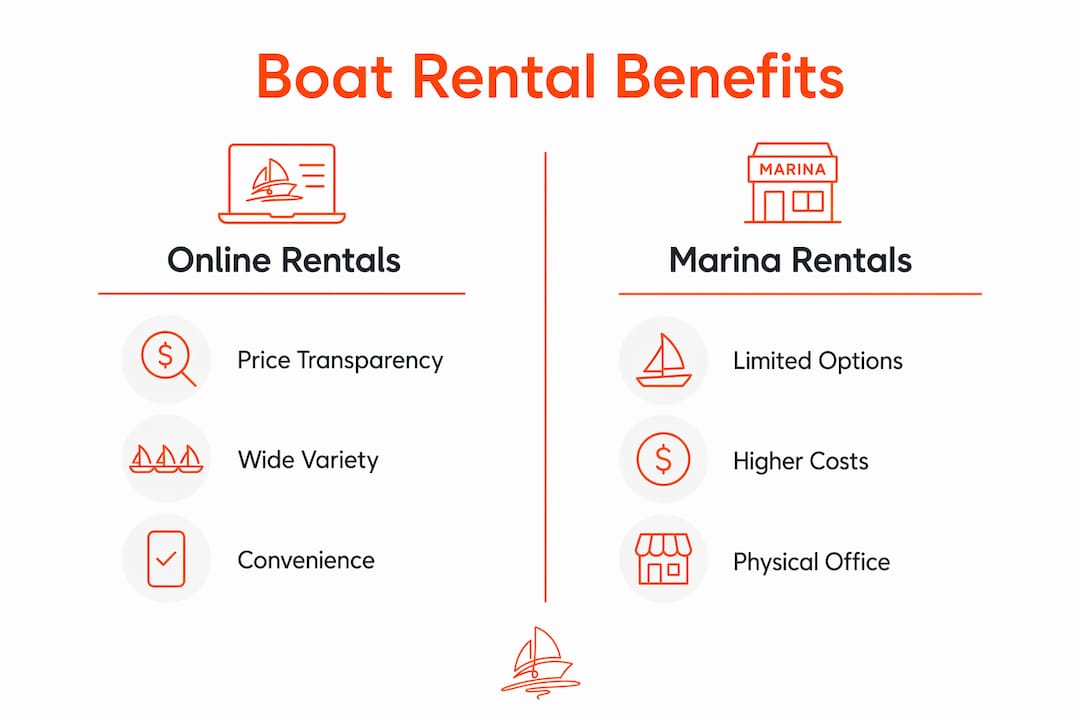
The role of centralized boat booking platforms goes beyond simple aggregation. These platforms unify insurance verification, safety documentation, and payment processing into one workflow. That is a significant operational advantage over the fragmented, manual process that traditional rentals still rely on.
How do online platforms handle safety, insurance, and trust?
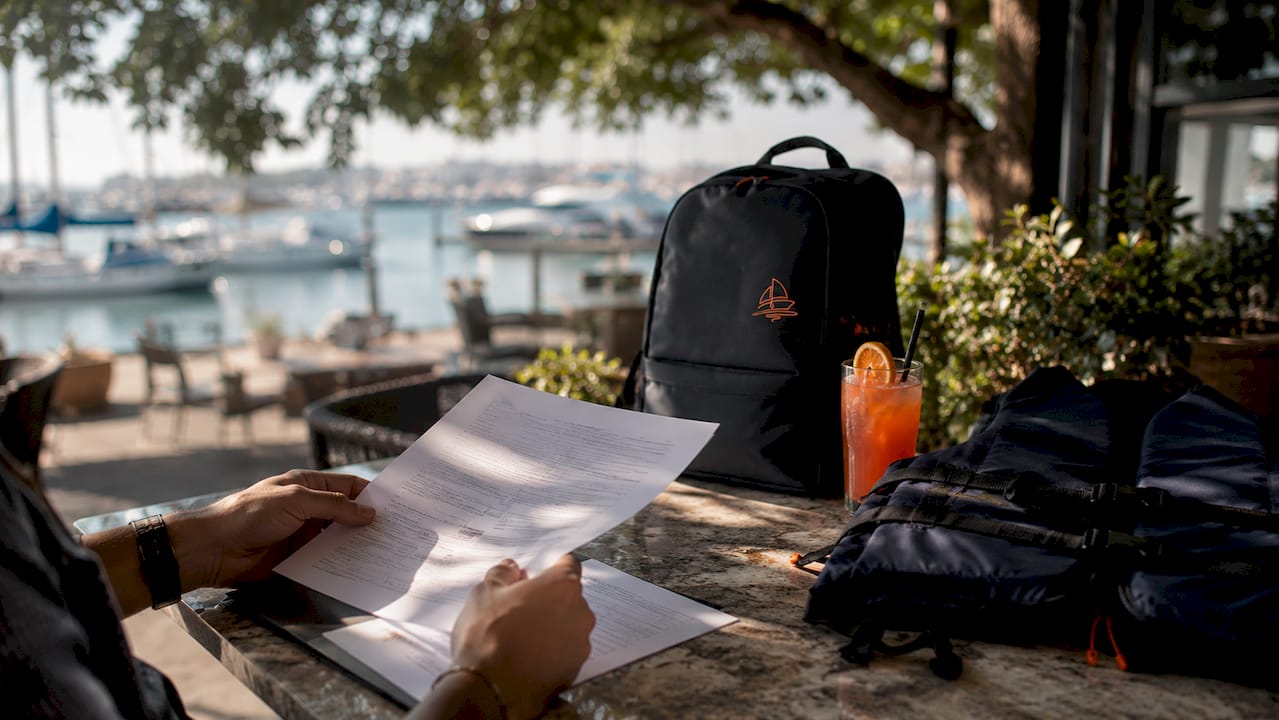
Safety and insurance are the two areas where online boat rentals most clearly outperform traditional methods. Centralized platforms standardize insurance verification and safety documentation in ways that individual marinas rarely do consistently. Here is how the process typically works:
- Insurance verification. The platform confirms that the vessel carries valid marine insurance before listing it. Marine coverage differs from automotive insurance in critical ways, including liability for passengers on open water, so this step is not optional.
- Safety equipment checks. Listings must confirm that Coast Guard-required safety equipment, including life jackets, flares, and fire extinguishers, is present and current.
- Weather cancellation logic. Platforms integrate cancellation rules tied directly to Coast Guard advisories. When unsafe conditions are forecast, refunds are automated without requiring a dispute between renter and owner.
- Deposit and payment handling. Most platforms hold deposits in escrow or via pre-authorization rather than releasing funds immediately to the owner. This protects both parties if a dispute arises.
- Ratings and reviews. Review systems on boat platforms focus specifically on vessel condition, cleanliness, and owner communication, not just general satisfaction. That specificity makes reviews more useful than generic star ratings.
These features matter because marine rentals carry risks that car rentals do not. Open water, weather variability, and the physical condition of a vessel all affect safety in ways that a quick visual inspection at a marina cannot fully capture. Platforms that integrate these checks into the booking flow give renters a meaningful layer of protection.
A practical note on deposits: renters generally pay a minimum security deposit of $500, with additional charges possible for fuel, late returns, or damage. Understanding the deposit structure before you book prevents surprises at the end of your trip.
What costs and fees should you expect when booking boats online?
Understanding the full cost of a boat rental requires looking beyond the daily rate. Typical rental rates by boat type break down as follows:
| Boat type | Typical daily rate |
|---|---|
| Small fishing or pontoon boat | $150–$300 |
| Bowrider or runabout | $200–$500 |
| Center console | $300–$600 |
| Deck boat or cruiser | $400–$800 |
These base rates do not include fuel, which varies by vessel size and distance traveled. Captained charters add roughly $60–$80 per hour on top of the boat rate. That cost is worth it if you are unfamiliar with local waters or if local regulations require a licensed captain.
Platform service fees are the other major variable. Most booking platforms charge a service fee of 10%–20% of the rental price. Sailorix operates differently: a €100 annual membership gives members access to bookings with approximately 1% service fees. For anyone who rents more than once a year, the math favors membership quickly. You can read more about how low service fees affect your total cost across multiple bookings.
Direct booking on an operator's website can sometimes be cheaper by avoiding platform commissions of 10%–30%, but it requires manual searching and offers fewer built-in protections. For casual renters who are unfamiliar with the market, the safety net and convenience of a platform typically justifies the fee difference.
Pro Tip: Always compare total costs including transfers, fuel estimates, and equipment fees before booking. A lower base rate with high add-ons often costs more than a higher base rate with fuel included.
Hidden fees to watch for
Marina access fees, cleaning charges, and late-return penalties are the most common unexpected costs. Some listings also charge for snorkeling gear, paddleboards, or other equipment that looks included in photos but is priced separately. Read the full listing description, not just the headline rate.
How to choose the right boat and platform for your trip
Choosing the right vessel starts with matching boat type to activity. A pontoon boat works well for a relaxed family day on a lake. A center console is better for offshore fishing. A sailing yacht suits a multi-day coastal trip. Picking the wrong category wastes money and limits what you can do on the water.
When evaluating listings, focus on these factors:
- Recent reviews. Look for reviews from the past six months. Vessel condition changes over time, and older reviews may not reflect the current state of the boat.
- Verified availability. Confirm that the dates you want are actually open before investing time in reading the full listing.
- Captained vs. self-drive. Self-drive rentals require proof of boating experience or a license in many jurisdictions. Captained options remove that barrier and add local knowledge.
- Platform price comparison. Prices vary across platforms even for the same vessel, so checking more than one source is worth the extra ten minutes.
- Marina proximity. Booking a boat that is already docked close to your accommodation saves transit time and gives you more hours on the water.
Avoid common booking mistakes like choosing based on photos alone or skipping the cancellation policy. A great-looking boat with a no-refund policy is a real financial risk if weather turns bad. Families new to boat rentals will find a step-by-step booking guide useful for navigating the process without missing critical details.
Key Takeaways
Online boat rentals are the most cost-effective and reliable way to access diverse vessels, with centralized platforms handling insurance, safety, and pricing transparency that traditional marina bookings cannot match.
| Point | Details |
|---|---|
| Digital adoption is high | 72% of boat renters book online, reflecting broad confidence in platform-based rentals. |
| Peer-to-peer saves money | Online platforms typically deliver 15%–30% savings compared to traditional marina rates. |
| Platforms handle safety compliance | Insurance verification, Coast Guard equipment checks, and weather cancellations are built into the booking flow. |
| Full cost matters most | Always factor in fuel, captain fees, service charges, and deposits before comparing listings by base rate alone. |
| Platform fees vary widely | Service fees range from 1% (Sailorix members) to 20% or more, making fee structure a key selection criterion. |
The real shift happening in boat rentals right now
At Sailorix, we have watched the boat rental market change faster in the past three years than in the previous decade. The 72% online booking rate is not a ceiling. It is a floor. Renters who tried online booking once almost never go back to calling marinas.
What surprises most people is how much the platform itself shapes the experience. Two renters booking the same type of boat on the same day can have completely different outcomes depending on whether their platform handled insurance verification properly, communicated weather risks clearly, and processed their deposit fairly. The boat is almost secondary to the booking infrastructure around it.
The trend we find most significant is the growing demand for private yacht rentals among renters who previously thought that category was out of reach. Transparent pricing and membership models have made it realistic for a group of friends to split the cost of a day on a sailing yacht for roughly what they would spend on a resort day pass. That accessibility shift is real, and it is accelerating.
The platforms that will define this market in five years are the ones investing in real-time availability, honest fee disclosure, and automated safety compliance. Renters who understand what to look for in a platform will consistently get better experiences and better prices than those who book based on photos and base rates alone.
— Sailorix
Sailorix: book the right boat at the right price
Sailorix is a global boat booking platform built around one principle: renters should pay for the boat, not the booking process.
A €100 annual membership gives you access to yacht and boat rentals worldwide with approximately 1% service fees. The typical platform charges 10%–20% on every booking. Sailorix handles insurance verification, real-time availability, and secure payments so you can focus on planning your trip rather than managing paperwork. Whether you want a pontoon boat for a lake afternoon or a private yacht for a coastal week, browse available boats and see what the right platform actually costs.
FAQ
Why do most renters book boats online now?
72% of boat renters book online because platforms offer price transparency, vessel variety, and built-in safety compliance that traditional marina bookings cannot match.
Is renting a boat online safe?
Reputable platforms verify insurance, confirm Coast Guard safety equipment, and automate weather-based cancellations, making online rentals at least as safe as in-person bookings and often more so.
What is the minimum deposit for a boat rental?
Most rentals require a minimum security deposit of $500, though the amount varies by vessel type and owner policy. Additional charges for fuel or late returns may also apply.
How much does it cost to rent a boat for a day?
Daily rates range from $150 for a small pontoon to $800 or more for a deck boat or cruiser, before adding fuel, captain fees, and platform service charges.
Does booking directly with an operator save money?
Direct booking can reduce costs by avoiding platform commissions of 10%–30%, but it requires more manual research and offers fewer built-in protections for insurance and cancellations.