
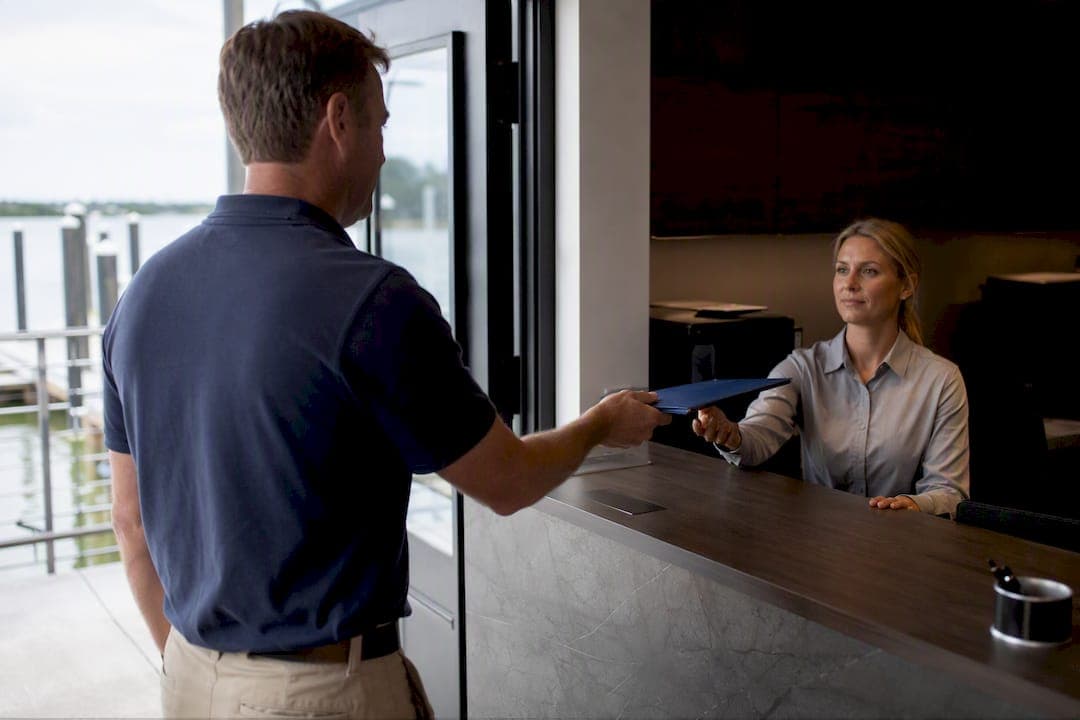
Yacht check-in has two distinct parts: paperwork at the base office and a technical handover on board, and the whole thing usually runs 45 to 90 minutes when documents are ready. The single move that prevents most deposit disputes is simple: photograph and video the boat, every gauge, and the signed handover form before anyone leaves the dock. Bring passports or IDs, your skipper certificate, the crew list, and a card for the deposit. Sign nothing until you have seen it.
TL;DR:
- Upload all necessary documents, such as licenses, passports, and crew lists, through the booking platform before arriving to reduce check-in time.
- Photograph and video the boat's exterior, gauges, and safety equipment during the handover to document conditions and prevent deposit disputes.
- Expect the technical inspection to last up to 90 minutes, with emphasis on hull, safety gear, engines, and navigation systems.
- Customs procedures vary by country; always report on arrival within 24 hours, fly the quarantine flag, and bring all required ashore documents.
- Refueling the boat before check-out and matching engine hours to your trip helps avoid unexpected fees during the return inspection.
Table of Contents
- What Happens During the Yacht Check-In Process at the Base Office
- The Technical Handover: A Step-by-Step Boat Inspection Checklist
- Do Yachts Go Through Customs? Clearance Basics You Need to Know
- How to Speed Up the Yacht Check-In Process
- Check-Out: How to Avoid Surprise Fees on Return
- How Sailorix Reduces Check-In Friction
- A Skipper's Three Rules for Every Handover
- Book Smarter With Sailorix
- Sources
- FAQ
What Happens During the Yacht Check-In Process at the Base Office
The office side of the yacht charter check in is mostly a paperwork exchange, and it moves fast when you show up organized. Staff need to confirm who you are, that someone aboard is qualified to skipper the boat, and that the contract terms match what you booked. Miss one document and you can lose 20 minutes waiting for someone to track down a manager.
Expect the base to ask for:
- Government-issued ID or passport for every adult aboard
- A valid skipper license or sailing resume if you're bareboat chartering
- The signed charter contract and any add-on confirmations (skipper, early check-in, extra equipment)
- A complete crew list with names, dates of birth, and passport numbers
- A credit card or cash for the security deposit, plus proof of deposit insurance if you purchased it
The crew list matters more than most first-time charterers realize. Bases in the Caribbean and Mediterranean often forward that list to port authorities or customs before you ever leave the marina, so an inaccurate one can delay clearance later, not just check-in. Submit it as early as your booking platform allows, ideally days before arrival rather than at the counter.
Deposit handling varies by base. Some hold a card authorization for $1,500 to $3,000 depending on boat size, release it automatically 10 to 14 days after return, and others require cash or a wire transfer. Deposit insurance, when offered, usually caps your out-of-pocket exposure to a few hundred dollars regardless of what's found wrong with the boat, which is worth factoring into your budget before you sign anything.
Digital pre-check has changed this step for the better. Uploading your license, passport scans, and crew list through the booking platform before arrival means the office visit becomes a signature and a key handoff rather than a data-entry session. Charter check-in commonly separates into these two phases specifically because the technical handover requires someone to physically inspect the boat, while the paperwork can happen almost entirely on a screen.
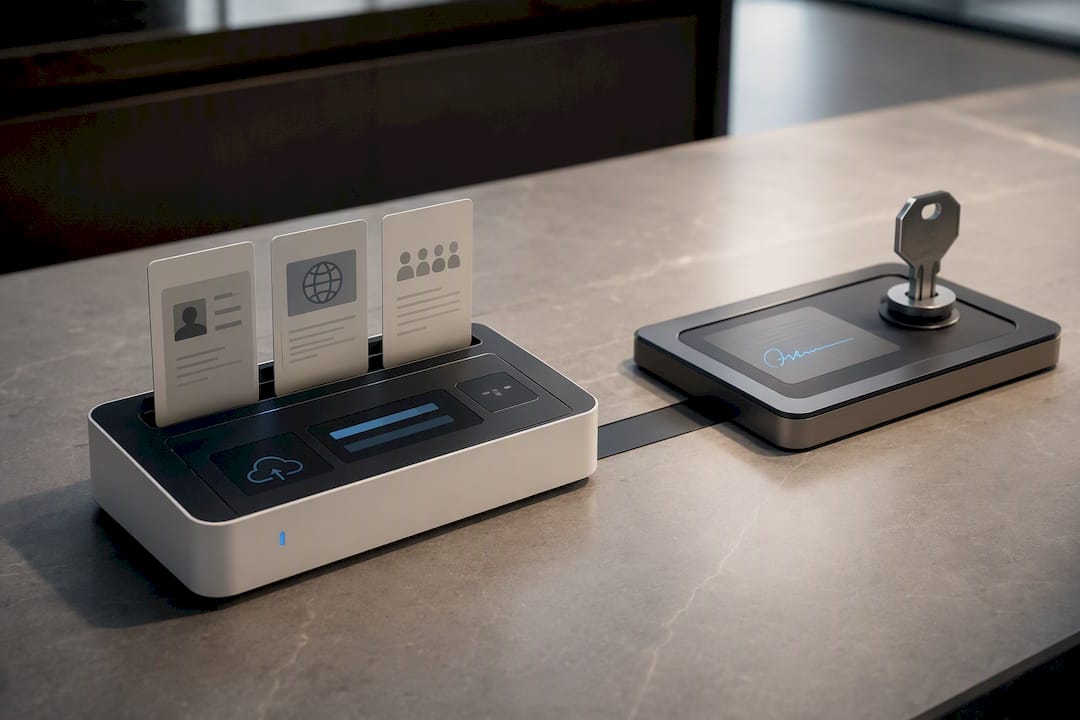
Pro Tip: Scan your skipper license and passport to your phone before travel. If the base's Wi-Fi is slow or their scanner is broken (it happens more than you'd think at smaller bases), you can email the files instantly instead of waiting in line.
The Technical Handover: A Step-by-Step Boat Inspection Checklist
This is the part that protects your deposit and, frankly, your safety for the next week or two. A technician walks you through the boat system by system, and you verify, photograph, and note everything as you go. A typical technical handover lasts 30 to 90 minutes, longer for catamarans or boats with more complex electronics.
Work through the boat in this order so nothing gets skipped:
- Hull and deck first. Walk the exterior before you even step below. Look for gouges, cracked gelcoat protection, soft spots on the deck, and any damage near the waterline. Photograph anything questionable from two angles with something for scale, a shoe or a hand works fine.
- Anchoring and deck hardware. Test the windlass under load, count the chain markings so you know how much rode you actually have, and check every cleat and winch for smooth operation. A seized winch on day one is a problem you want documented, not discovered mid-passage.
- Dinghy and outboard. Start the outboard cold, check the fuel line for cracks, and confirm the fuel type and mixing ratio if it's a two-stroke. Ask where the extra fuel is stored and how much you're allotted.
- Engine and mechanical systems. Check oil level and color, coolant, belt tension, and ask the technician to run the engine in and out of gear so you hear it under load. Note the engine hours displayed at handover; you'll be compared against this number at check-out.
- Safety equipment. This is non-negotiable. Count the lifejackets against your crew size, check flare expiration dates (they're usually stamped directly on the flare), confirm the fire extinguisher gauge sits in the green, and verify the liferaft's service date on its inspection tag. A liferaft serviced three years ago when the interval is typically every 12 months is a red flag worth raising before you leave the dock.
- Interior inventory and functional tests. Flush every head, run the galley stove, and test the bilge pumps manually and on auto. A head that won't flush on day one is far easier to fix at the dock than at anchor.
- Electronics and navigation. Power on the chartplotter, VHF radio, and autopilot. Confirm the charts loaded match your cruising area and that the VHF responds on a test channel.
- Documentation as you go. Photograph every gauge reading, every existing scratch, and the interior inventory sheet. Shoot a continuous video walking the boat's exterior and interior before you sign anything.
The signature at the end of this checklist is not a formality. Whatever the handover form says, and whatever it doesn't say, becomes the reference point for your deposit return. Photographing gauges and engine hours is often the decisive evidence when a dispute comes down to your word against the base's, and charter guidance consistently recommends treating the walkthrough video as insurance, not paranoia.
A printed or digital checklist makes this whole process faster because you're not trying to remember eight categories from memory while a technician talks quickly through the last one. Keep one on your phone and check items off in real time rather than trusting your memory to fill it in later that night.
Do Yachts Go Through Customs? Clearance Basics You Need to Know
Yes, yachts crossing an international boundary go through customs and immigration, and the process varies more by country than most charterers expect. What clears you into Antigua won't necessarily clear you into the U.S. Virgin Islands, so treat every new jurisdiction as its own set of rules rather than assuming yesterday's process repeats.
Here's what tends to hold across most Caribbean and U.S. destinations:
- Report on arrival, not later. Many Caribbean islands require arrival notification within 24 hours, sometimes through a pre-arrival web form filed before you even leave the previous port.
- Bring the full document set ashore. Passports for everyone aboard, the charter contract, boat registration, and the radio license if the vessel carries one. Some ports also want a crew list identical to the one you filed at check-in.
- Fly the yellow quarantine flag until cleared. Standard practice on arrival in a new country, and skipping it can draw unwanted attention from harbor authorities.
- Plan for after-hours arrivals. If you pull in outside office hours, most ports expect you to stay aboard, keep the quarantine flag up, and report first thing when offices open rather than going ashore unannounced.
For U.S. arrivals specifically, everyone aboard needs to report to the nearest CBP office within the required window, and CBP issues an arrival reference once you've cleared. Rules shift periodically, so confirm current CBP procedures before you travel rather than relying on last year's experience or a fellow boater's memory.
Order and fees vary by country too. Mexican ports, for example, typically require a visit to Migración before the Port Captain, with separate clear-in fees at each stop. Always verify the sequence for your specific destination before you arrive.
How to Speed Up the Yacht Check-In Process
Most delays at busy bases come down to preventable friction, not bad luck. A few habits shave real time off both the office paperwork and the boat handover.
- Submit documents days early. Crew lists, license scans, and passport copies uploaded before arrival mean the office visit is a formality instead of a data-entry session.
- Leave luggage ashore during handover. Hauling bags aboard while a technician is trying to walk you through the engine room slows everyone down and splits your attention.
- Book an off-peak slot if the base allows it. Saturday mornings at high-season bases are chaos; a Tuesday afternoon slot moves noticeably faster.
- Back up your photos and video to the cloud immediately. A lost phone shouldn't mean lost evidence if a dispute comes up two weeks later.
- Ask about an early check-in add-on if your flight lands mid-morning and you don't want to burn beach time waiting for a 2:00 PM slot.
Pro Tip: If your booking platform offers digital pre-check, use every field it gives you. Bases process pre-verified documents in a separate, faster queue at most Caribbean charter companies.
Check-Out: How to Avoid Surprise Fees on Return
Check-out mirrors the technical handover in reverse, and it's where deposit disputes actually get resolved, not started. Staff check the boat against the same categories you documented on arrival: hull condition, fuel and water levels, inventory, and engine hours.
- Refuel before you return unless your contract specifies a different arrangement; shortfalls typically get billed at a premium rate well above local pump prices.
- Match engine hours to expected usage. Wildly high hours relative to your itinerary can trigger questions about excessive engine running or generator use.
- Walk the same checklist you used at check-in and photograph the boat again before staff arrive, so your documentation brackets the entire charter.
- Expect the inspection to take 30 to 45 minutes, shorter than the original handover since there's less to explain.
How Sailorix Reduces Check-In Friction
Sailorix's booking platform lets you submit crew lists, license scans, and passport details ahead of arrival, so the base spends less time on data entry and more time on the actual walkthrough. Members can browse checklist-style booking workflow guides that map directly onto the handover steps covered here.
- Digital document upload before arrival
- Checklist resources aligned with hull, engine, and safety inspections
- Some booking services offer membership tiers that may include faster support or add-on services like early check-in.
Verifying a boat's availability and condition details before you book, using a resource like this guide to confirming boat readiness, also cuts down on surprises once you're standing at the base counter.
A Skipper's Three Rules for Every Handover
Document the boat before you sign anything, full stop. Ask the technician to walk every system while you photograph gauges and take notes, not after they've left. And if something's missing, damaged, or unsafe, don't sign until it's written down. A five-minute delay at the dock beats a five-hundred-dollar deposit dispute two weeks later.
— SAILORIX
Book Smarter With Sailorix
Sailorix gives charterers a way around the paperwork bottleneck that slows down so many base check-ins: submit your documents, crew list, and licenses through the platform before you ever reach the marina, and skip the counter-side scramble entirely. Where traditional booking often means faxing forms or emailing scans back and forth with a local office, Sailorix's membership model pairs digital pre-check with a roughly 1% service fee, well under the 10 to 20% many booking sites charge. That difference alone can cover a chunk of your charter budget.

If you're planning a charter and want to see how membership tiers can speed up your next handover, check current pricing and available boats on the Sailorix site and get your documents queued up before you fly out.
Sources
For current CBP reporting rules, check Star Yacht Group's clearance guidance directly. For a printable handover checklist, Boat Tomorrow's guide covers every inspection category in detail.
- Charter Yacht Handover Checklist: What to Check | Boat Tomorrow
- Yacht Charter Check-In: What to Expect & How to Prepare | Floatist
- Your guide to navigating Caribbean island customs and immigration while sailing | Yachting Monthly
FAQ
What Is the 10 Rule for Yachts?
The "10 rule" varies by context and isn't a single universal maritime law, so always confirm the specific regulation your charter company or flag state references rather than assuming a generic definition applies.
What Is the 12-Person Rule on a Yacht?
International safety conventions cap most charter yachts at 12 guests before the vessel's legal classification changes to a passenger ship, which triggers stricter certification and crewing requirements. Larger groups typically charter two boats together instead of exceeding that limit on one vessel.
Do Yachts Go Through Customs?
Yes, any yacht crossing an international border must clear customs and immigration, and the process, including arrival windows and required documents, varies by country and even by island in the Caribbean.
How Long Does the Yacht Check-In Process Take?
Expect 45 to 90 minutes total: the technical handover typically takes 30 to 90 minutes depending on boat size and complexity, while paperwork duration varies depending on document readiness.
What Documents Do I Need for Yacht Guest Check-In?
Bring a passport or government ID, your skipper license if chartering bareboat, the signed charter contract, an accurate crew list, and a card or cash for the security deposit.