
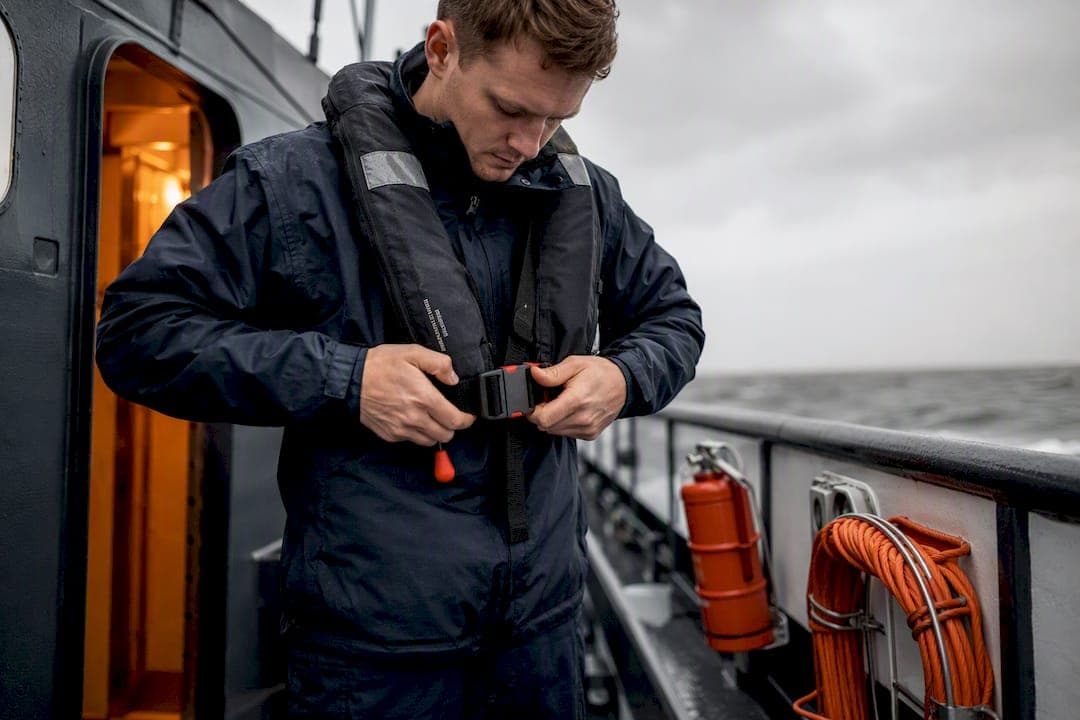
Yes, for most crewed leisure charters, a hostess measurably improves the trip. Expect daily rates that scale with vessel size, plus customary tipping on top of the charter fee. Before booking, confirm your hostess holds STCW Basic Safety Training and an ENG1 medical certificate. Skip these credentials and you're not just risking bad service. You're risking a crew member who isn't legally cleared to work at sea.
TL;DR:
- A yacht hostess must hold valid STCW Basic Safety Training and ENG1 medical certificates to legally work on a crewed yacht.
- Hostesses handle interior hospitality, meal service, provisioning, and some light duty tasks, but do not operate navigation or handle medical emergencies beyond first aid.
- Rates vary based on vessel size and service complexity, with tips typically amounting to around 10% of the charter fee, pooled among crew members.
- Confirm staffing, certifications, and role scope before booking, especially on smaller yachts where a single hostess might cover multiple responsibilities.
- Using platforms like Sailorix offers transparent crew details during booking, helping avoid common misunderstandings about staff qualifications and availability.
Table of Contents
- What Does a Hostess Do on a Yacht Charter?
- How Much Does a Yacht Hostess Cost, and How Do You Pay?
- Which Certifications Should a Yacht Hostess Hold?
- Who Actually Employs the Yacht Hostess?
- How Many Interior Crew Does Your Charter Actually Need?
- How Do You Add a Hostess to Your Booking, and What Should You Ask?
- How Do You Get the Best Service From Your Charter Crew?
- How Sailorix Helps You Book a Charter With the Right Crew
- Editorial Take: What Actually Matters Before You Book
- Ready to Book a Charter With the Right Crew Onboard?
- Sources
What Does a Hostess Do on a Yacht Charter?
A yacht hostess runs the interior of the boat the way a hotel manager runs a small boutique property, except the property moves and the manager also serves your lunch. On a typical day, she's up before the guests, prepping the salon and cockpit, brewing coffee, and setting breakfast. Cabin turndown, laundry, and daily tidying of guest areas fall squarely in her lane, along with making beds look like they belong in a magazine spread rather than a bunk room.
Meals are where the role earns its keep on smaller charters without a dedicated chef. Hostess duties commonly include meal planning, breakfast and light-lunch preparation, serving, and basic bar service. Some hostesses build genuinely creative menus around local produce; if you want ideas for what's realistic in a small galley, yacht galley recipes built for tight kitchens give a useful sense of the ceiling.
Provisioning is another core piece. She'll often run the grocery list, handle local errands, and act as an informal concierge, pointing you toward the beach club that's actually good instead of the one with the best marketing. During docking or mooring, she typically assists the skipper with lines and fenders in a support role rather than handling navigation herself. Interior crew commonly split duties this way: the skipper manages navigation and exterior operations while the hostess focuses on hospitality and interior upkeep.
What a hostess won't do matters just as much as what she will:
- Operate the engine or handle primary deck and navigation duties
- Perform certified medical procedures beyond basic first aid
- Act as a substitute for a licensed chef on menu-heavy charters
- Take on tasks outside her contracted role without prior agreement
Know these limits going in, and you'll avoid the most common source of charter frustration: expecting five-star hotel service from someone who was hired to do housekeeping and light hospitality.
How Much Does a Yacht Hostess Cost, and How Do You Pay?
Daily hostess rates track vessel size and the complexity of service expected. A modest day sailer with a single multi-role hostess sits at the low end of the range; a larger crewed yacht with a formalized interior department costs noticeably more, since you're often paying for a small team rather than one person.
Provisioning and groceries are usually charged one of two ways. Many operators use an Advance Provisioning Allowance (APA), a prepaid fund the crew draws down for food, fuel, and dockage, with an accounting and refund of unspent funds at the end of the charter. Others simply pass through receipts directly. Either way, the hostess typically does the actual shopping, so ask upfront whether she has a set weekly grocery run or handles it ad hoc.
Tipping is where most first-time charterers get nervous, so here's the practical breakdown:
- Tips are customary and function as a real part of crew income, not an optional extra
- Industry guidance points to roughly 10% of the charter fee as a common benchmark on larger charters, though the exact percentage varies by yacht class and region
- Tips are usually pooled and split among the crew rather than handed to one person
- Cash at the end of the charter is standard; some operators also allow tips added to the final invoice
Payment for the hostess herself typically runs through the charter operator's invoice or gets folded into the APA, rather than paid directly in cash. The service-fee structure behind charter bookings affects how these line items show up on your final statement, so it's worth reading before you sign anything.
Which Certifications Should a Yacht Hostess Hold?
This is the section to not skim. Anyone working on a commercial yacht must hold mandatory certifications, including STCW Basic Safety Training and an ENG1 medical certificate. These aren't nice-to-haves. They're the legal baseline for commercial crew, and the STCW Convention sets the international standard behind them.
STCW Basic Safety Training covers firefighting, sea survival, and first aid. It's the reason a crew member can respond competently if something goes wrong at sea instead of freezing up. An ENG1, or a recognized equivalent medical certificate, confirms the crew member is medically fit to work offshore. Without it, someone technically shouldn't be working commercial charters at all.
Beyond the legal minimums, hospitality credentials shape the actual guest experience. Food hygiene certification matters if she's handling meal prep, and silver-service training shows up in the polish of how meals are plated and served. Interior crew who combine hospitality standards with STCW and food-hygiene training tend to deliver a noticeably more consistent charter.
Before boarding, ask the operator for:
- Certificate numbers for STCW and ENG1 (or the recognized equivalent)
- The issuing body, so you can confirm they're legitimate
- Proof of food hygiene or hospitality-specific training if meal service is a priority
A genuine charter operator can produce this documentation before embarkation without hesitation. Reluctance to share it is a red flag worth taking seriously.
Who Actually Employs the Yacht Hostess?
Employment structure varies more than most first-time charterers expect, and it changes who you talk to when something needs fixing. Owner-operated yachts often carry a permanent crew hired directly by the owner, including a hostess who knows the boat inside and out. Charter-only operators typically employ crew through the charter company itself, while some smaller operations or private bookings pull in a hostess through a staffing agency for the specific trip.
On larger yachts, the interior team is formalized into a small hierarchy. A typical structure runs:
- Hostess/stewardess: handles day-to-day service, cabin upkeep, and meal support
- Second stew: shares housekeeping and service duties, often reporting to the chief stew
- Chief stew: plans interior work schedules, manages inventory, oversees quality control, and liaises with the captain and other departments
On smaller charters, one person often wears all three hats. Whether a hostess is included by default depends entirely on the yacht class you book. Bareboat charters usually have no crew at all unless you add one; crewed charters often include a captain and hostess as standard, with a chef as a paid add-on. Before you finalize anything, confirm staffing explicitly on your booking confirmation. Don't assume "crewed charter" automatically means hostess included. It sometimes means captain only.
How Many Interior Crew Does Your Charter Actually Need?
Staffing scales with both vessel length and how many guest cabins you're filling, not just the number of people aboard.
- A day boat or smaller sailing yacht (under roughly 50 feet) typically runs fine with one hostess covering everything
- Mid-size crewed yachts with three to four guest cabins usually still work with a single hostess, though service slows during busy meal periods
- Larger yachts with five or more cabins often split duties between a stew and a second stew so housekeeping and service don't collide
- On smaller charters, one hostess commonly carries multiple responsibilities, while bigger yachts formalize the interior department into distinct roles
Adding specialists changes the math fast. Bring on a dedicated chef and the hostess's cooking load drops, freeing her for service and housekeeping. Add a nanny or masseuse, and you're essentially building a small hospitality team rather than hiring one multi-tasking crew member.
How Do You Add a Hostess to Your Booking, and What Should You Ask?
Getting this right before you sign is far easier than fixing it mid-charter. Work through this checklist with your operator or broker:
- Confirm certifications. Ask for STCW and ENG1 certificate numbers, not just a verbal assurance.
- Ask about experience level. A first-season hostess and a five-year chief stew deliver very different service.
- Clarify the daily rate and whether it's inside the APA or billed separately.
- Get the exact duty list in writing, so expectations match reality on day one.
- Ask about the arrival briefing, including what's covered and who runs it.
Once the basics are locked, dig into specifics that shape the actual experience: food allergies and dietary restrictions, childcare needs if kids are aboard, specialist skills like massage or hairdressing, and language fluency if you're chartering somewhere your first language isn't widely spoken. Specialist trade skills like massage, hairdressing, or yoga instruction are increasingly requested and can bump the day rate, so ask whether they're certified or insured before assuming they're included.
Provisioning and menu planning should happen well before you step aboard, ideally over email with photos and preferences, not a rushed conversation at the dock.
Pro Tip: Send your provisioning list and any dietary restrictions at least a week before boarding. Hostesses working from a rushed, last-minute list almost always end up improvising, and improvised charter meals are rarely anyone's best work.
On arrival day, expect a short welcome briefing covering safety basics, meal timing, and daily routines. That's normal, not a sign of a disorganized crew.
How Do You Get the Best Service From Your Charter Crew?
Good service runs both directions. Crew quarters and working areas are off-limits unless you're invited in, and rest periods matter: a hostess working a 14-hour day still needs a real break, so don't expect round-the-clock availability on longer charters. Your rights and reasonable expectations as a charter guest work alongside crew boundaries, not against them.
The best way to brief a hostess is specific but not micromanaged: tell her your must-haves (dietary needs, wake times, favorite drinks) up front, then let her use her judgment on execution. Micromanaging every plated dish tends to slow service down rather than improve it.
- Respect crew rest periods and private spaces without exception
- Share preferences early and in writing, not as last-minute demands
- Tip according to norms discussed earlier, and say thank you directly, not just through the wallet
- Give feedback during the charter, not only in a review afterward
Small gestures go further than people expect. A guest who remembers a crew member's name and asks how their week is going tends to get warmer, more attentive service than one who treats the crew as invisible. For shore excursions, a hostess who's arranged something like a private dinner ashore is often working from local relationships built over multiple seasons. Acknowledging that effort costs nothing and pays for itself.
How Sailorix Helps You Book a Charter With the Right Crew
Sailorix shows staffing options directly during the booking process, so you can see whether a hostess is included, optional, or an add-on before you commit to a yacht. That visibility matters more than most charterers realize, since staffing confusion is one of the most common sources of post-booking disputes.
Our membership model keeps this transparent: $100 a year unlocks roughly 1% service fees instead of the 10 to 20% many platforms charge, so the price you see reflects the actual cost of the crew and boat, not a markup buried in the fine print. When you request a hostess through the platform, you can also ask operators directly for certificate details before finalizing.
Editorial Take: What Actually Matters Before You Book
Most charter advice fixates on cost comparisons and skips the part that actually determines whether your trip goes well: whether the crew's credentials and role scope match what you expect. That's the real gap. Guests who ask about STCW and ENG1 status upfront report far fewer surprises than those who assume "professional crew" means fully vetted.
The conventional wisdom oversells hostess service as universally transformative. It isn't, if the scope was never clearly defined. A hostess handling five guest cabins solo on a budget rate will disappoint you, not because she's bad at her job, but because the staffing ratio was wrong from the start.
Prioritize this: confirm certifications first, staffing ratio second, and specialist skills third. Cost matters, but it's the least useful lever for predicting whether your charter actually feels like the trip you pictured.
— SAILORIX
Ready to Book a Charter With the Right Crew Onboard?
Sailorix lets you compare crewed yachts and hostess add-ons side by side, with the actual staffing structure visible before you pay a deposit, not buried until after you've committed. That transparency is the real difference from platforms where crew details show up as an afterthought in a follow-up email.

Search live availability, filter by crew type, and confirm hostess options directly through the yacht booking platform before you lock in dates. Whichever yacht you choose, ask the operator for STCW and ENG1 certificate numbers before boarding. It takes five minutes and it's the single best way to protect your trip.
Sources
The certification standards and role details in this guide draw on the STCW Convention, which sets international crew training requirements, along with industry career resources covering stewardess responsibilities and chief stew duties. Use them to verify any certification claims a charter operator makes before you book.
- Yacht Hostess: What are the main responsibilities of a yacht hostess
- Yacht Stewardess Jobs | Yacht Steward Jobs | Find Steward
- Yacht chief stewardess : Duties and Responsabilities
- How To Become A Superyacht Stewardess - Flying Fish