

Renting a boat for events is the process of securing a suitable vessel, crew, and onboard services tailored to your specific gathering to create a memorable experience on the water. Whether you are planning a corporate outing, a wedding reception, or a birthday party, knowing how to rent a boat for events saves you from costly surprises and logistical headaches. This guide walks you through boat selection, realistic pricing, the step-by-step booking process, and safety protocols. Follow it and you will arrive at your event day fully prepared.
How to rent a boat for events: choosing the right vessel
The event type drives every decision you make about boat selection, from the vessel's layout to the onboard services you need. A corporate networking event calls for a sleek motor yacht with open deck space and a bar setup. A wedding reception demands a catamaran with a stable platform, shade coverage, and room for a catering crew. A birthday party for 30 guests fits a party boat with a sound system and a dance floor.
Guest count is the second filter. Every vessel has a certified passenger capacity, and exceeding it is both illegal and unsafe. Count your confirmed guests, add a buffer for vendors and crew, and then match that number to vessels with the right certified capacity.
| Boat type | Typical capacity | Best event fit | Key features |
|---|---|---|---|
| Party boat | 20–80 guests | Birthdays, casual gatherings | Sound system, open deck, bar |
| Motor yacht | 10–40 guests | Corporate events, cocktail parties | Enclosed cabin, premium finishes |
| Catamaran | 15–50 guests | Weddings, sunset cruises | Stable platform, wide deck space |
| Sailboat | 6–20 guests | Intimate dinners, small celebrations | Quiet, scenic, classic atmosphere |
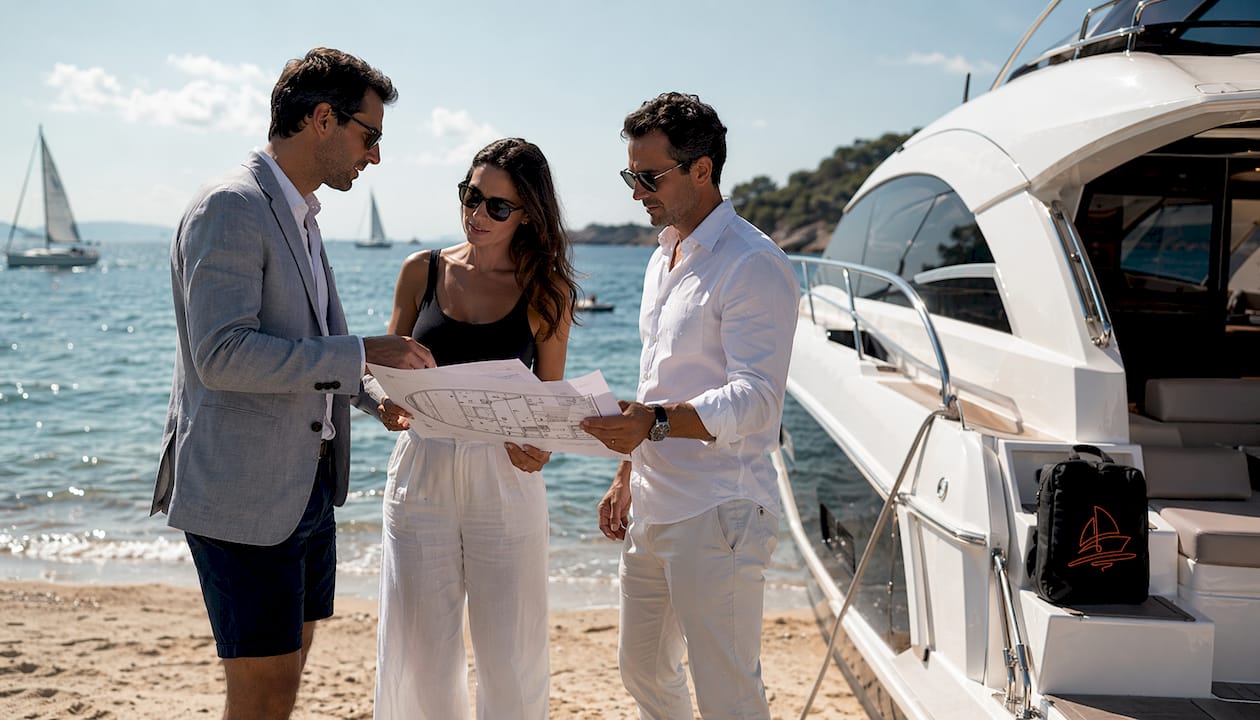
Pro Tip: Ask the charter company for a detailed floor plan before booking. Onboard photos can be misleading, and the actual layout determines whether your catering setup, entertainment area, and guest flow will work.
What does renting a boat for an event actually cost?
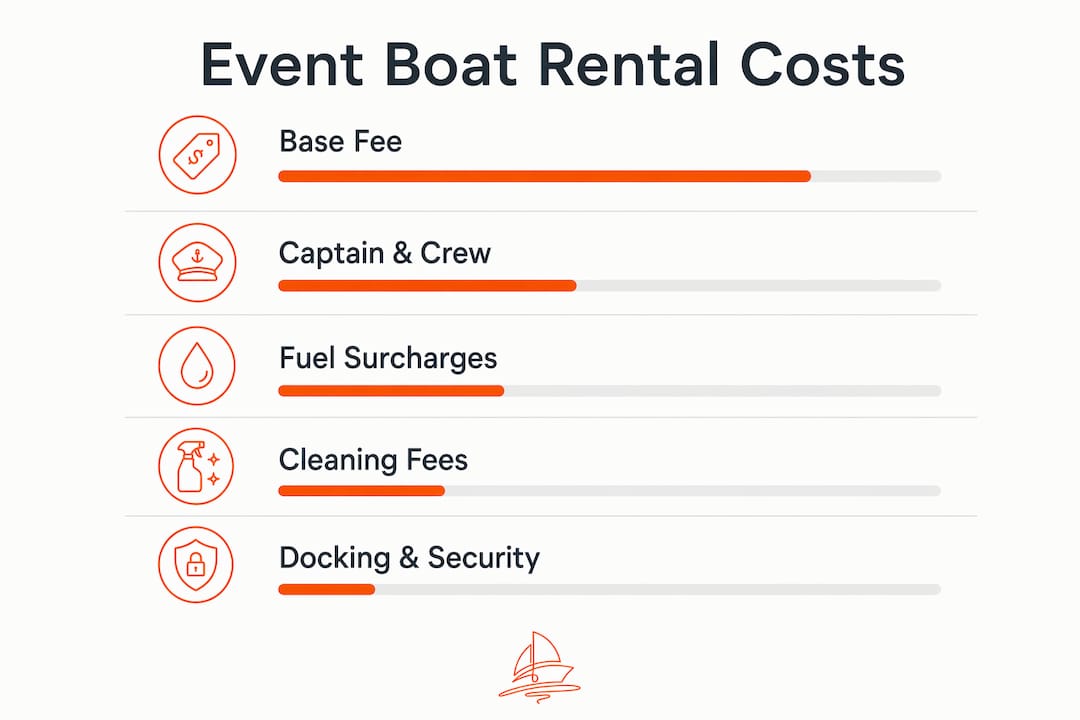
Pricing for event boat hire follows a predictable structure once you know the components. Base rental fees vary by vessel size and duration. Small group rentals start around $300 for a two-hour period, while full-day rentals typically span about eight hours. That starting price covers the boat only. It does not include the captain, fuel, or any extras.
Most rental providers structure their time blocks around three windows: morning (10:00 AM–2:00 PM), afternoon (2:30 PM–6:30 PM), and evening (7:00 PM–11:00 PM). Choosing the right block for your event type matters. Evening slots book fastest for parties, while morning blocks suit corporate team-building outings.
Captain and crew fees add a significant line item. USCG-licensed captains charge $100–$150 per hour, paid separately from the base boat rental fee. Industry standard gratuity runs 15–20% of the total crew cost. Budget for it from the start rather than treating it as optional. For a full breakdown of how service fees layer into charter pricing, the charter booking fee guide from Sailorix is worth reading before you sign anything.
Additional costs to account for include fuel surcharges, cleaning fees, docking fees, and security deposits. Special event dates like holidays or fireworks nights often carry surcharges and require earlier reservations than standard bookings. Build a contingency of at least 15% into your total budget to absorb these variables.
Pro Tip: Ask rental providers directly whether they offer bundled or all-inclusive packages. Some operators fold fuel, a captain, and basic catering into a flat rate, which simplifies budgeting and eliminates surprise invoices after the event.
Step-by-step guide to booking your event boat
Booking a private boat rental for an event involves more steps than booking a hotel room. The process rewards planners who start early and communicate clearly.
Pre-booking preparation
Lock in three things before you contact any rental provider: your event date, your confirmed guest count, and your total budget including crew and extras. Without these, you cannot evaluate whether a vessel fits your needs or your finances.
Searching for the right vessel
Use a dedicated boat booking platform to filter by location, vessel type, capacity, and availability. Sailorix offers real-time availability across a global fleet, which removes the back-and-forth of calling individual marinas. Affordable boat rentals are easier to find when you can compare options side by side rather than relying on a single broker's inventory.
Communicating with providers
Once you identify a shortlist of vessels, contact each provider with your event details. Confirm availability for your specific date and time block. Ask about special requests such as catering permissions, decoration policies, and sound system capabilities. Get every agreement in writing before you proceed.
Signing the contract and paying the deposit
Read the rental contract carefully before signing. Pay close attention to the cancellation policy, deposit amount, and liability clauses. Most providers require a deposit of 25–50% of the total rental fee at booking. The balance is typically due 30 days before the event.
- Confirm the vessel name, registration, and captain credentials.
- Verify the cancellation and rescheduling terms in writing.
- Pay the deposit via a traceable method (credit card or bank transfer).
- Request a signed copy of the contract for your records.
- Confirm the boarding location, parking, and access details.
For a complete walkthrough of the booking workflow, the step-by-step boat rental guide from Sailorix covers each stage in detail.
Desirable boats are reserved months in advance, especially for peak summer dates and holiday weekends. That means your search should start at least four to six weeks out for smaller vessels and several months ahead for larger yachts or popular event dates.
Bareboat vs. crewed charters
A bareboat charter means you rent the vessel without a captain or crew. This option requires you or someone in your group to hold a recognized sailing qualification such as an ASA or RYA certification. A crewed charter includes a licensed captain and, depending on the vessel, additional crew members. For most event planners, a crewed charter is the right choice. It removes the navigation burden and keeps your focus on the event itself.
What safety and comfort rules apply on event boat rentals?
Safety on a chartered vessel follows maritime standards set by the U.S. Coast Guard (USCG). Every vessel must carry enough U.S. Coast Guard-approved life jackets for all passengers on board. The captain is legally responsible for enforcing these requirements, and guests do not get to override them.
Weather is the variable most event planners underestimate. Confirm the provider's rescheduling policy before you book. Reputable operators will reschedule or issue a credit if conditions make the event unsafe. Get that policy in writing alongside the contract.
Onboard rules commonly include no glass containers, no red wine, and specific footwear requirements to protect both guests and the vessel's interior. These restrictions are not negotiable. Communicate them to your guests in advance so no one shows up with a bottle of Merlot and glass stemware.
- Confirm life jacket count matches your total passenger number before departure.
- Share the no-glass and footwear policies with guests in your event invitation.
- Assign one point of contact from your group to liaise with the captain throughout the event.
- Arrange catering delivery and setup to happen before guests board, not during.
- Confirm the emergency protocol with the captain at the pre-departure briefing.
Pro Tip: Arrive at the marina at least 30 minutes before your scheduled departure. Early boarding gives you time to complete the safety briefing, arrange catering, and handle any last-minute logistics without cutting into your paid rental time.
Key Takeaways
Renting a boat for events requires matching your vessel to your event type, building a realistic budget that includes crew fees, and booking well in advance of your date.
| Point | Details |
|---|---|
| Match vessel to event type | Define your event format and guest count before selecting a boat type or size. |
| Budget for crew costs | Captain fees run $100–$150 per hour; add 15–20% gratuity on top of the base rate. |
| Book early | Popular vessels fill months ahead, especially for summer dates and holiday events. |
| Read the contract carefully | Confirm cancellation terms, deposit amounts, and onboard rules before signing. |
| Communicate rules to guests | Share no-glass and footwear policies in advance to avoid day-of complications. |
What I've learned from watching event boat rentals go wrong
Most event boat rentals that go sideways share one root cause: the planner chose the boat before defining the event. They found a beautiful yacht at a good price and then tried to fit their guest list and catering plan around it. That approach almost always creates friction. The galley is too small for the caterer. The deck layout forces guests into a single cluster. The sound system is not powerful enough for a DJ.
The planners who get it right start with a written event brief. They list the guest count, the event format, the catering needs, and the entertainment requirements before they look at a single vessel. That brief becomes the filter for every boat they evaluate. It also becomes the document they hand to a charter broker or platform like Sailorix when they ask for recommendations.
Budget discipline is the second lesson. The base rental price is almost never the total cost. Captain fees, fuel, gratuity, and cleaning fees routinely add 30–50% to the base rate. Planners who do not account for this end up cutting corners on catering or entertainment to stay within budget. The fix is simple: build your budget from the total cost, not the headline rental price.
The third mistake is underestimating lead time. A great vessel on a Saturday in july is gone by march. If your event date is fixed, start your search the moment the date is confirmed. Waiting until six weeks out for a peak-season event means you are choosing from what is left, not what is best.
— Sailorix
Sailorix: a smarter way to find your event boat
Planning a boat event is rewarding when the booking process does not get in the way.
Sailorix gives event planners access to a global fleet of yachts, catamarans, motor boats, and party vessels through a single platform. Real-time availability means you see exactly what is open on your date, without waiting for a broker to call back. The Sailorix membership model charges approximately 1% in service fees, far below the 10–20% that most booking channels add on top of the rental price. Whether you are renting a yacht for events or booking a party boat for 50 guests, Sailorix connects you to the right vessel at a transparent price. Start your search today and lock in your date before the best boats are gone.
FAQ
How far in advance should I book a boat for an event?
Book at least four to six weeks ahead for smaller vessels, and several months in advance for larger yachts or peak summer and holiday dates. Popular boats fill up fast, and waiting limits your options.
Do I need a license to rent a boat for a private event?
A crewed charter requires no license from you since a USCG-licensed captain handles navigation. A bareboat charter requires a recognized sailing qualification such as an ASA or RYA certification.
What is typically included in a boat rental for parties?
Base rentals cover the vessel only. Captain fees, fuel, cleaning, and gratuity are usually separate line items. Always ask for an itemized quote to understand the full cost before booking.
Can I bring my own food and drinks on a rented event boat?
Most charter operators allow outside catering, but onboard rules typically prohibit glass containers and red wine. Confirm the specific policies with your provider before your event and communicate them to guests in advance.
What happens if the weather is bad on my event day?
Reputable charter operators offer rescheduling or credit options when conditions are unsafe. Confirm the weather policy in writing as part of your contract before you pay any deposit.