
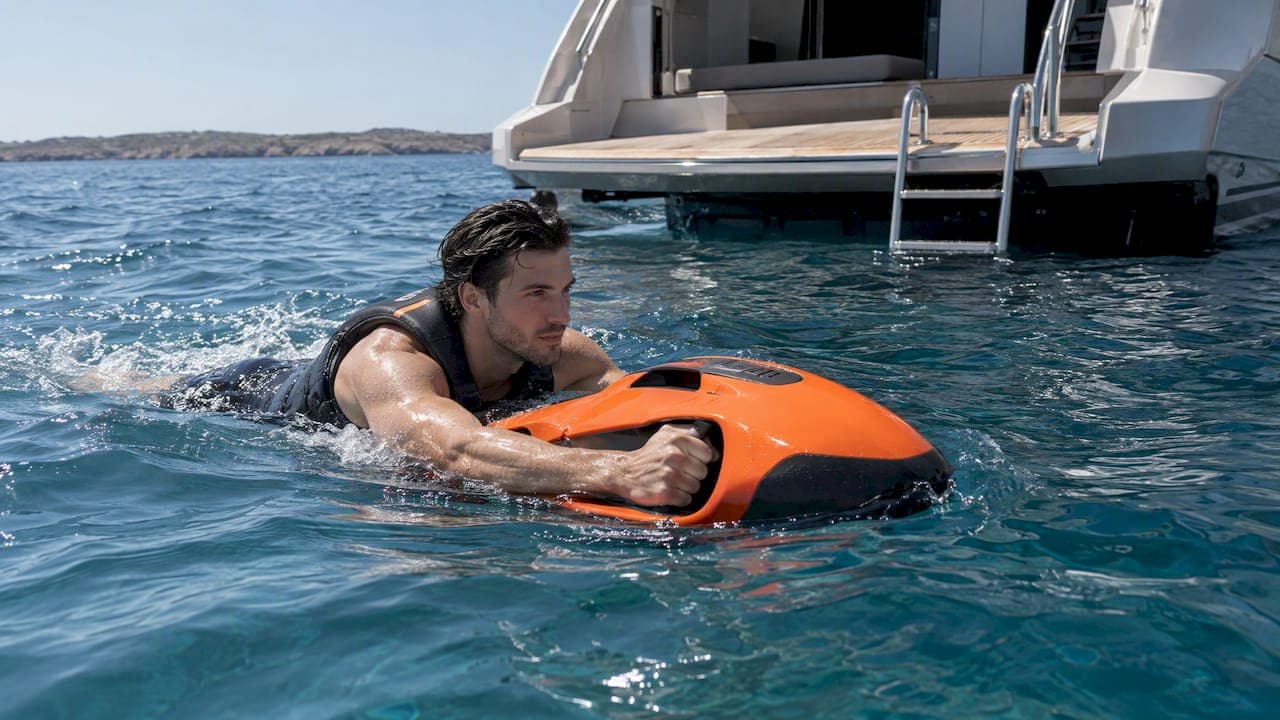
Yes, you can add a Seabob to most private yacht charters when you arrange it ahead of time. Expect delivery to the yacht, a short safety briefing from an instructor, and a flat-rate or hourly add-on fee depending on the operator. Before you book, confirm life jacket requirements and check whether your route crosses any wildlife protection zones.
TL;DR:
- Most private yacht charters can include Seabobs if requested early, with delivery, safety briefing, and instructor support typically provided.
- Pricing structures vary, including flat rates, hourly, and half- or full-day packages, so clarify costs before booking a multi-day charter.
- Users must wear life jackets as federal law mandates, and Seabobs may be restricted in wildlife protection zones or areas with strict environmental regulations.
- Suitable yachts for Seabobs generally include motor yachts, catamarans, and dayboats with swim platforms, while sailing yachts are less ideal for staging and reboarding.
- Confirm Seabob availability, instructor involvement, insurance coverage, and itinerary restrictions through written communications when booking to avoid misunderstandings.
Table of Contents
- What a Seabob add-on includes and how it works on a charter
- Safety, legal and environmental musts to confirm before you book
- Which charters and yachts are best suited for a Seabob experience
- Booking logistics: how to add a Seabob through your charter booking platform
- How SAILORIX helps you add Seabob experiences to luxury charters
- Why a Seabob elevates a private charter: our view
- Book a yacht with Seabob add-ons via SAILORIX
- FAQ
- Sources
What a Seabob add-on includes and how it works on a charter
A Seabob add-on typically bundles more than just the unit itself. Operators that regularly feature these underwater scooters deliver the equipment to the yacht, provide a short safety briefing, and often include an instructor for the first run, according to charter listings that feature Seabobs. Crew handle stowage and charging between uses, so you are not responsible for maintaining the unit during your trip.
Operationally, a Seabob works on the surface or submerged, letting riders tow themselves along the water or dive beneath it to glide past reefs and marine life without scuba certification. Top speed runs around 13 mph (20 km/h), which feels brisk underwater but stays manageable for most swimmers once they get a feel for the trigger controls, per the same industry overview of charter Seabobs. Basic swimming ability is generally expected, since riders need to hold on, surface, and reboard the swim platform unassisted or with crew help.
Pricing follows a few common patterns:
- A flat rate covering the full charter, common in resort and charter-heavy regions.
- An hourly rate, more typical on peer-to-peer or U.S. domestic rentals.
- Half-day, full-day, or sunset packages that bundle the Seabob with other water toys.
Ask your broker which structure applies before you finalize the booking, since the difference between a flat fee and hourly billing can change your total cost significantly on a multi-day charter.
Safety, legal and environmental musts to confirm before you book
Before anyone jumps in with a Seabob, a few compliance checks matter more than the toy itself. Federal rules require a wearable personal flotation device for every person aboard a recreational vessel, plus a throwable device on boats 16 feet or longer, and the Coast Guard recommends wearing a life jacket while the vessel is underway, according to federal PFD carriage rules.

Many boating fatalities happen on calm days when a life jacket was available but not worn, a pattern the U.S. Coast Guard's boating safety guidance highlights as a recurring risk. That makes the habit of wearing a PFD during Seabob use worth building into your briefing, even on a calm afternoon.
Before you finalize an itinerary, confirm:
- Whether your route passes through manatee protection zones or similar wildlife areas, which can restrict speed or prohibit personal watercraft outright, per Florida's manatee protection zone rules.
- Whether the charter type excludes water toys, since fishing charters often do.
- Whether the captain has signed off on Seabob use and whether a waiver or insurance confirmation is required.
Our guide to yacht rental standards walks through the contract language worth checking before you sign.
Which charters and yachts are best suited for a Seabob experience
Not every yacht or itinerary makes an ideal setting for a Seabob. A few factors determine fit:
- Yacht type: motor yachts, catamarans, and dayboats with swim platforms or tenders handle staging and reboarding far more easily than sailing yachts mid-passage.
- Guest mix: families, snorkelers, and small groups wanting active water time get the most value, while very young children or non-swimmers may need to sit this one out.
- Itinerary: sheltered anchorages and reef stops work better than open-water transits, where sea conditions and currents make safe operation harder.
A quiet bay near a reef, with the yacht anchored and the swim platform down, is close to the ideal setting. Open crossings or protected wildlife corridors are the opposite.
Booking logistics: how to add a Seabob through your charter booking platform
Adding a Seabob to your charter is mostly a matter of asking early and confirming details in writing. When you submit your booking request, specify the add-on by name and ask for written confirmation of delivery timing, setup, and whether an instructor comes with it.
Questions worth asking your broker or operator:
- Which Seabob model will be provided, and is it the same unit described in the listing?
- Is an instructor included, or is a briefing self-guided?
- What does liability or insurance coverage look like, and who carries it?
- Are there exclusions tied to your specific itinerary or charter type?
Pro Tip: Ask the broker to confirm Seabob availability and instructor presence in the same email thread as your deposit confirmation, so you have a paper trail if plans change.
Build in a contingency for rough seas. Operators sometimes pull water toys from the schedule if conditions turn, so ask what the backup plan looks like. Our boat rental checklist and guide to charter insurance cover the broader documentation worth securing before departure, and a captain's guide to guest safety briefings is a useful reference for what a thorough onboard briefing should cover.
How SAILORIX helps you add Seabob experiences to luxury charters
We built our platform to show real-time availability for yachts and their add-on equipment, so you can see which listings already include water toys like Seabobs before you request a quote. That transparency saves back-and-forth with brokers over whether a specific unit is even on offer.
Membership through our programs provides concierge support for confirming the details that matter: instructor presence, insurance terms, and whether your itinerary clears any wildlife restrictions. For each Seabob add-on request, we aim to help secure relevant confirmations such as equipment inclusion, delivery timing, crew and instructor coordination, and captain approval where required.

Why a Seabob elevates a private charter: our view
A Seabob turns a passive afternoon on deck into something guests actually talk about afterward. It gives non-divers a taste of underwater exploration without the certification or the gear-heavy setup scuba requires, and that accessibility is exactly why it tends to become the trip's highlight rather than a footnote on the itinerary. The cost is easiest to justify when the itinerary includes calm water and a reef or cove worth exploring.
— SAILORIX
Book a yacht with Seabob add-ons via SAILORIX
Once you know what to ask for, booking a Seabob add-on comes down to picking the right path for how you charter. We offer two ways in:
- Search and book directly: browse our fleet of available boats and yachts and filter for listings that already include water toys, then request the Seabob add-on at the same time you confirm your dates.
- Join and get concierge support: our membership programs provide concierge help to confirm instructor availability, insurance terms, and itinerary clearance before you pay a deposit.
Start at Sailorix to compare yachts and see which ones already list Seabob availability.
FAQ
Can you add a Seabob to any yacht charter?
Most private luxury charters allow Seabob add-ons when you request them in advance, though fishing charters and some itinerary types commonly exclude water toys. Always confirm with the captain or broker before booking, since availability depends on the charter type and route.
How much does a Seabob add-on typically cost?
Pricing varies by operator and region, with some charging a flat rate for the charter and others billing hourly. Ask your broker for the specific structure and any additional costs like security deposits or damage waivers before confirming.
Do you need a life jacket to use a Seabob?
Federal rules require a wearable personal flotation device for everyone aboard a recreational vessel, and the Coast Guard recommends wearing one while underway, according to federal PFD requirements. Many charter operators extend that same recommendation to Seabob use specifically.
Are there areas where Seabobs are restricted?
Yes, certain wildlife protection zones, such as manatee protection areas in Florida, can restrict speed or prohibit personal watercraft entirely, per Florida's manatee protection zone guidance. Check your planned route with the operator before assuming a Seabob will be usable everywhere on the itinerary.
Do I need swimming experience to use a Seabob?
Basic swimming ability is generally expected, since riders need to hold on, surface, and reboard the yacht's platform with minimal assistance. An instructor briefing typically covers the controls and safety basics before your first run.
Sources
- eCFR :: 33 CFR Part 175 Subpart B -- Personal Flotation Devices
- Life jacket wear / Wearing your life jacket — USCG recreational boating
- Charter Yachts with Seabobs | YachtCharterFleet
- Manatee protection zones | Florida Fish and Wildlife Conservation Commission