
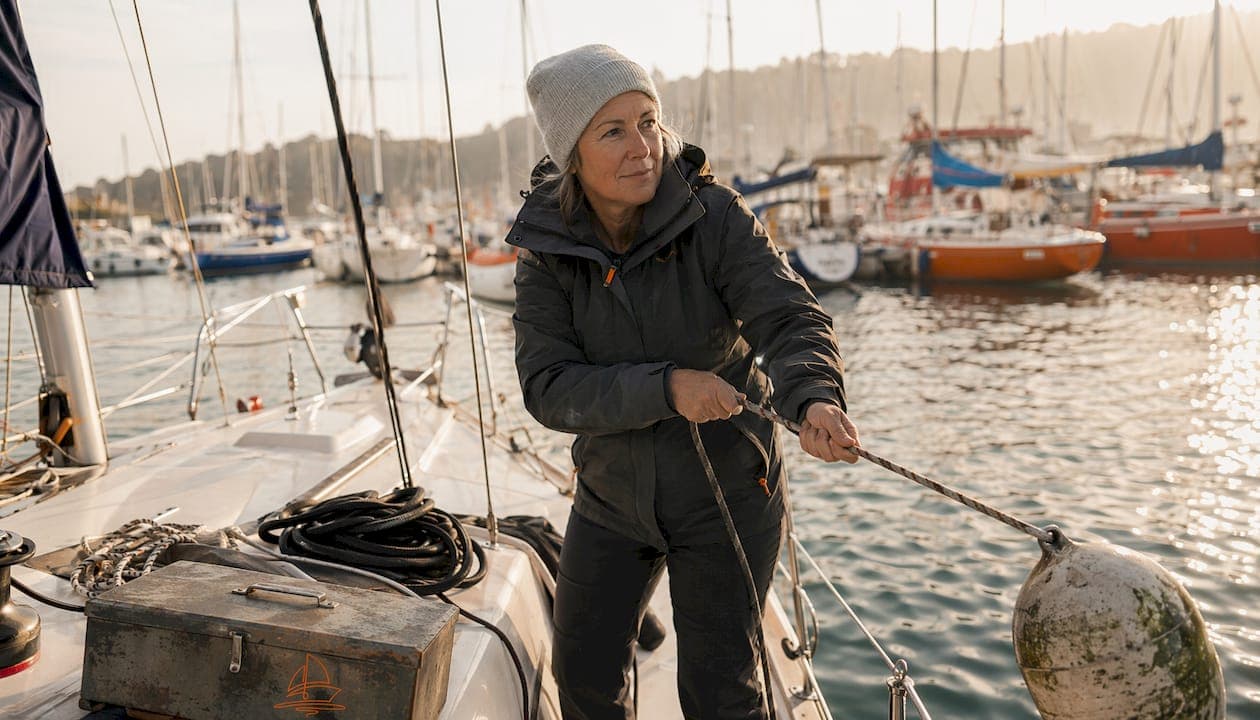
A swinging mooring is defined as a vessel secured at a single anchor point on the seabed, allowing it to pivot freely with changes in wind and tide. Unlike a fixed berth, this system lets your boat rotate 360 degrees around one central point, which reduces stress on the hull and mooring gear. The core components are a seabed anchor (typically a concrete block), a riser chain, and a floating buoy. Harbourmaster offices in most jurisdictions regulate mooring areas, set spacing requirements, and issue permits. Understanding how this system works, how to maintain it, and how to handle your vessel on one is the foundation of safe, affordable mooring.
What is a swinging mooring and how does it work?
A swinging mooring secures a vessel at a single pivot point, connecting the boat to a seabed anchor through a riser chain and a surface buoy. The vessel is free to rotate around that point in any direction. This is the defining feature that separates a swing mooring system from pile moorings or marina berths, where the boat is held in a fixed orientation.
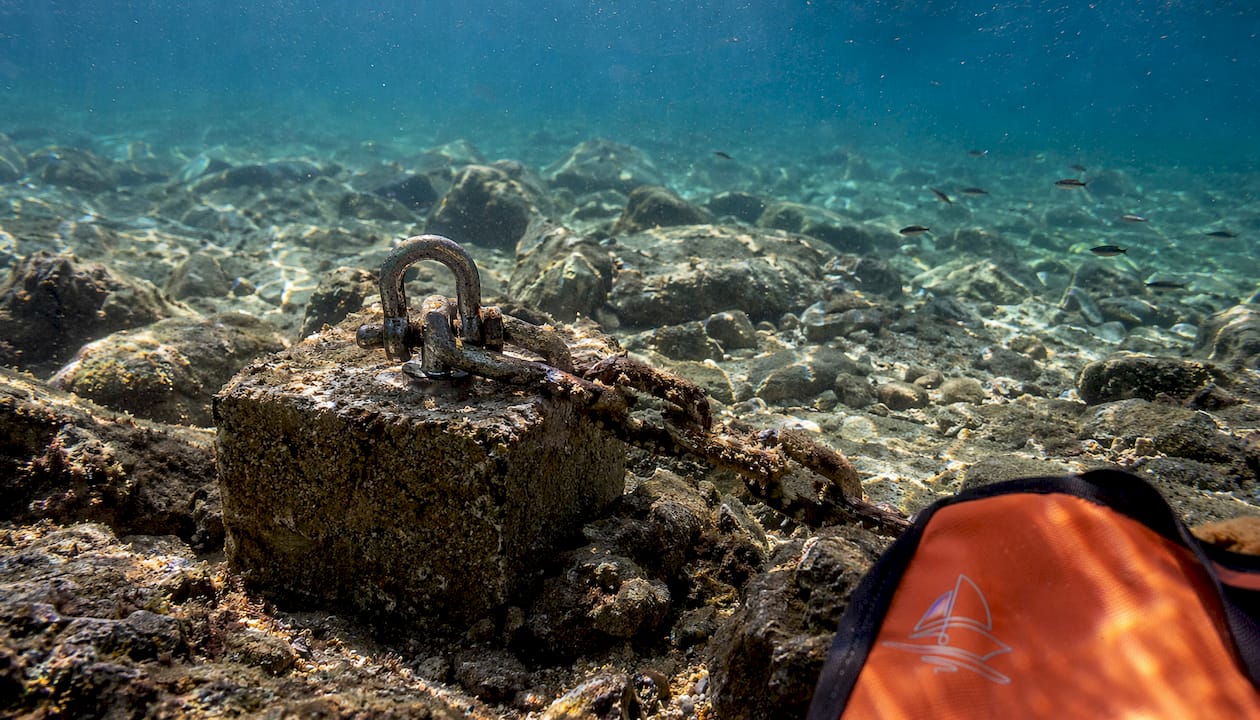
The system works through a straightforward chain of components. The seabed anchor, most commonly a cast concrete block, holds everything in place. A riser chain runs from the anchor up through the water column to a swinging mooring buoy at the surface. The buoy is the pickup point for the vessel. A swivel mechanism between the chain and the buoy allows rotation without the chain twisting and weakening over time.
The weathervane effect is the most important dynamic to understand. Your vessel will always turn to face the dominant force, whether that is wind or tidal current. When wind and tide oppose each other, the boat settles at a compromise angle. Beginners consistently underestimate this when calculating how much swing room a mooring requires.
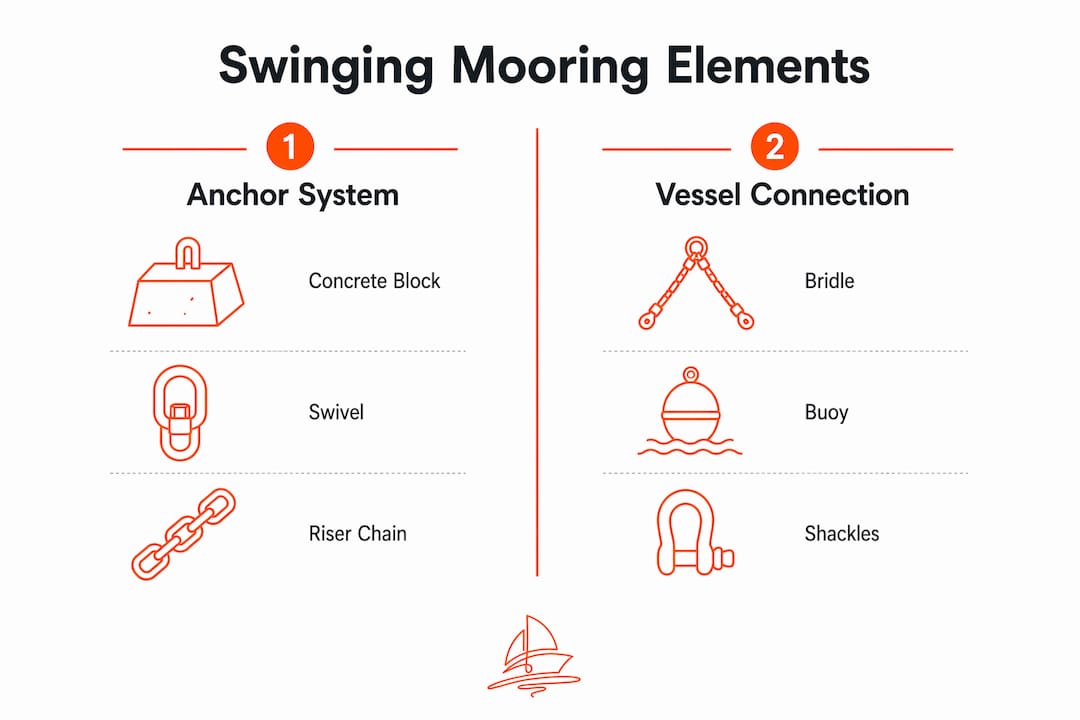
The key components of a swing mooring system are:
- Seabed anchor: A concrete block or purpose-cast sinker that provides the holding weight
- Riser chain: The vertical chain connecting the seabed anchor to the surface buoy
- Swinging mooring buoy: The floating pickup point, sized to support the riser chain and vessel load
- Swivel: Allows the chain to rotate freely, preventing twist fatigue
- Mooring strop or bridle: The line running from the buoy to the vessel's bow cleat or bollard
Pro Tip: Always check the swing radius of neighboring moorings before picking up a buoy. A vessel that looks clear at slack tide can swing into yours when the tide turns.
What maintenance keeps a swing mooring safe?
Routine professional inspection is the single most important practice for keeping a swing mooring system safe. Marine authorities require periodic checks because underwater components corrode and weaken without any visible sign from the surface. Skipping inspections is the leading cause of mooring failures.
The most common failure points follow a predictable pattern. Boaters who understand this pattern can catch problems early.
- Riser chain corrosion: Salt water attacks chain links continuously. Inspect for thinning, pitting, or elongated links at least once per year, and replace any section showing more than 10% wear.
- Swivel seizure: A seized swivel transfers rotational load directly to the chain, accelerating fatigue. Test the swivel by hand at every inspection.
- Buoy biological growth: Barnacles, weed, and marine organisms accumulate on the buoy hull. Excessive growth reduces buoyancy and can submerge the buoy, creating a navigation hazard for other vessels.
- Attachment point wear: The shackle connecting the strop to the buoy ring is a high-wear point. Check for elongation or gate wear and replace shackles with rated marine-grade hardware.
- Seabed anchor movement: Silt migration or storm surge can shift a concrete block anchor. A professional diver inspection every two to three years confirms the anchor remains correctly positioned.
Pro Tip: Photograph your chain and shackles at each inspection. Side-by-side comparisons over two seasons reveal wear that looks minor in isolation but is actually significant.
Biological growth deserves special attention because its effects compound quickly. A buoy that rides low in the water due to fouling puts more load on the strop and reduces the visual pickup target for approaching vessels. Antifouling paint rated for submerged buoy surfaces is the most cost-effective prevention.
What seamanship skills matter most on a swinging mooring?
Sailing onto and off a buoy without engine is the benchmark skill for swinging mooring competence. Engine failure is always a possibility, and crowded mooring fields leave little room for error. Boaters who practice this maneuver regularly handle emergencies with confidence.
The critical skills for working a swing mooring for boats break down into three areas:
- Pre-approach assessment: Read wind direction and tidal flow before committing to an approach. The boat will want to lie head-to-wind or head-to-tide, so your approach angle must account for the dominant force at that moment.
- Speed control under sail: Approach the buoy on a close reach or close-hauled course, spilling wind from the mainsail to control speed. Arriving too fast makes pickup impossible. Arriving too slow means losing steerage before you reach the buoy.
- Casting off safely: When leaving, assess which direction the boat will swing once the strop is released. Drop the strop cleanly, let the bow pay off, and sail clear before sheeting in. Sheeting in too early stalls the boat over the chain.
Tidal conditions change the approach geometry significantly. On a flood tide, approach from downstream so the current slows your final run. On an ebb, the reverse applies. Wind against tide creates confused conditions where the boat may not settle predictably after pickup.
For anchoring and mooring skills that transfer directly to swinging mooring work, practice picking up a buoy under sail in open water before attempting it in a crowded mooring field. The muscle memory built in open water pays off when space is tight.
Heavy weather handling adds another layer. In strong winds, a vessel on a swing mooring can surge forward and back, loading the strop with shock forces. Using a mooring bridle, a line running from two bow points to the buoy ring, distributes that load and reduces snatch. Custom mooring bridles are the standard recommendation for storm preparedness on swinging moorings.
How can a swinging mooring system be optimized for cost and performance?
Recent engineering research shows that optimizing single-point buoy mooring systems can reduce total mooring costs by approximately 59.2% compared to standard catenary mooring configurations, while maintaining equivalent safety and performance. That figure represents a major shift in how mooring designers approach cost efficiency. The same optimization work produced a 17.5% decrease in surge range and an 8.9% reduction in mooring line tension, meaning the vessel moves less and the gear wears more slowly.
The table below summarizes the performance gains from optimized single-point mooring design versus a traditional catenary system.
| Performance factor | Traditional catenary | Optimized single-point |
|---|---|---|
| Total mooring cost | Baseline | Up to 59.2% lower |
| Surge range | Baseline | 17.5% reduction |
| Mooring line tension | Baseline | 8.9% reduction |
| Maintenance frequency | Higher | Lower with swivel tech |
Line entanglement and axial load damage are the two most common operational problems in swing mooring systems. Instrumented swivel systems represent the most promising emerging solution. These devices monitor rotational load in real time, alerting operators before a swivel seizes or a chain section reaches fatigue limits. The result is condition-based maintenance rather than calendar-based inspection, which cuts unnecessary diver visits and extends component life.
Dual mooring strops made from heavy-duty nylon or octoplait line provide redundancy that single-strop configurations cannot match. If one strop chafes through, the second holds the vessel. Most experienced boaters size their strops well above the minimum rated load for exactly this reason. Heavy-duty strops often exceed standard cleat sizes, so purpose-built bow bollards or oversized cleats are necessary to handle the load correctly.
Chafe protection is the detail most boaters underinvest in. Anti-chafe sleeves running through the bow roller prevent the strop from sawing against metal edges during surge. Large-diameter abrasion-resistant sleeves are the preferred solution, though their bulk sometimes requires modified bow roller fittings to pass cleanly.
Key Takeaways
A swinging mooring is the most cost-effective single-vessel mooring solution available, provided the system is correctly installed, regularly inspected, and handled with proper seamanship.
| Point | Details |
|---|---|
| Single pivot design | The vessel rotates freely around one seabed anchor, reducing hull stress and mooring gear load. |
| Weathervane effect | Boats always face the dominant wind or tide, so adequate swing radius is non-negotiable for safety. |
| Inspection is mandatory | Annual professional checks on chain, swivel, and buoy prevent the silent failures that cause mooring losses. |
| Optimization cuts costs | Engineered single-point systems reduce total mooring costs by up to 59.2% versus catenary designs. |
| Bridles and chafe gear | Custom mooring bridles and anti-chafe sleeves are the two most overlooked items in storm preparation. |
What experienced boaters get wrong about swinging moorings
The most common mistake I see is treating a swinging mooring like a marina berth. Boaters pick up the buoy, tie off, and walk away without checking swing radius, strop condition, or the state of the buoy itself. That works fine in calm weather. It fails badly when a squall rolls through at 2:00 AM.
The weathervane effect catches people off guard more than any other factor. A boat that is sitting quietly head-to-wind can swing 90 degrees in under a minute when the tide turns. If you have not checked the clearance to your neighbors on all points of the compass, you are relying on luck. Luck is not a mooring strategy.
Chafe protection is the detail I see neglected most often. Boaters spend money on quality strops and then run them bare through a steel bow roller. A strop that would last five years with a proper sleeve can chafe through in a single rough night. The fix costs almost nothing. The consequence of skipping it can cost the boat.
For marina access and mooring area planning, always confirm with the local Harbourmaster that your vessel's length and displacement are within the rated capacity of the mooring you intend to use. Moorings are rated for specific vessel sizes. Using an undersized mooring in a blow is a decision you will not make twice.
— Sailorix
Sailorix and mooring solutions for serious boaters
Sailorix connects boaters with the resources, vessels, and knowledge they need to get on the water confidently. Whether you are planning a passage that involves picking up a swinging mooring buoy in an unfamiliar harbor or looking for guidance on mooring solutions before your next charter, Sailorix has you covered.

Sailorix members pay €100 per year for access to yacht and boat rentals worldwide, with service fees of approximately 1%. That structure means more of your budget goes toward time on the water rather than platform fees. Visit Sailorix to explore available vessels and get the mooring and anchoring guidance that makes every passage safer and more affordable.
FAQ
What is a swinging mooring?
A swinging mooring is a single-point mooring where a vessel is secured to a seabed anchor via a riser chain and surface buoy, allowing the boat to rotate freely with wind and tide.
How much swing room does a vessel need on a mooring?
The required swing radius equals at least the vessel's length plus the full scope of the riser chain and strop. The weathervane effect means the boat can swing a full 360 degrees, so clearance must be checked in all directions.
How often should a swing mooring be inspected?
Marine authorities recommend professional inspection at least once per year, with a diver check of the seabed anchor every two to three years to confirm it has not shifted.
What is a mooring bridle and why does it matter?
A mooring bridle is a line running from two points on the bow to the buoy ring, distributing load across the hull rather than concentrating it on one cleat. Custom bridles are the standard recommendation for storm conditions on swinging moorings.
Can I sail onto a swinging mooring without using the engine?
Yes. Sailing onto a buoy without engine power is a core seamanship skill that requires reading wind and tide before the approach, controlling speed by spilling sail, and picking up the buoy cleanly on the first pass.