
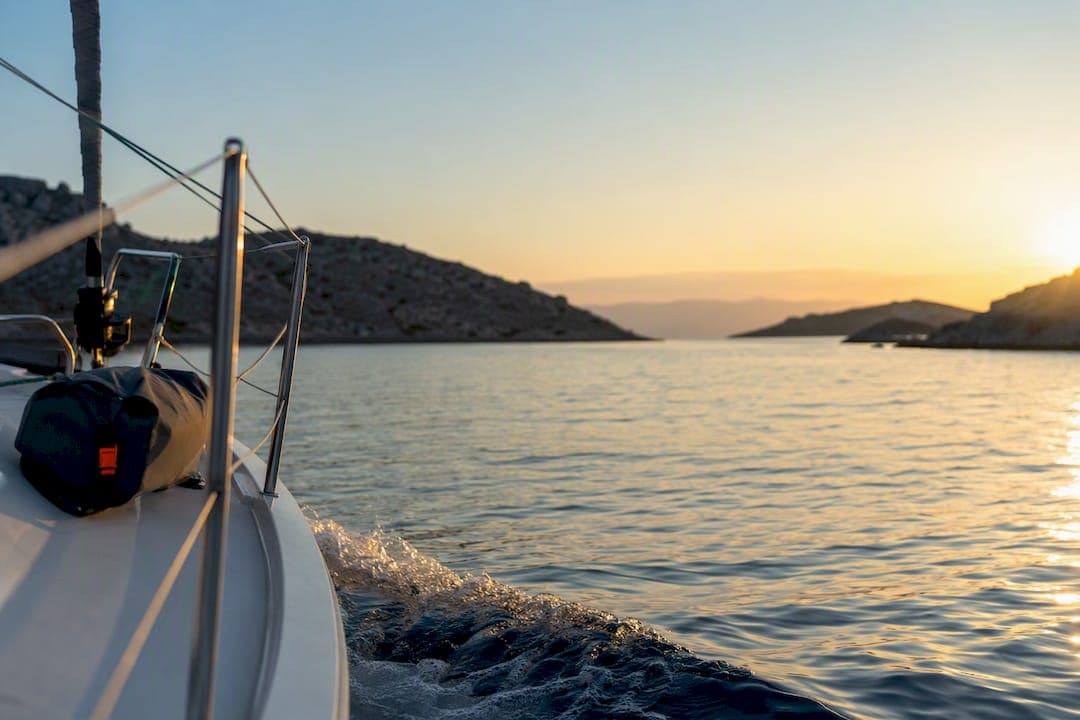
Late May through mid June and mid September through early October give you the best combination of warm water, steady wind, and open marinas without the July crush. The full charter season runs April through October, and July–August still wins on daylight and party atmosphere, but you will face peak prices and crowded anchorages. If your priority is comfortable sailing over bragging rights about beach temperature, aim for the shoulders.
TL;DR:
- Visiting Croatia early June or late September offers optimal conditions with warm water, steady winds, and fewer crowds than peak summer months.
- Charter prices are significantly lower in shoulder seasons, and availability remains high, allowing flexible and budget-friendly sailing plans.
- Sailing in July and August guarantees the warmest sea temperatures and festival atmospheres but comes with crowded marinas and steep prices.
- Wind patterns are predictable during summer with the maestral blowing reliably from June to September, while the bora can cause hazardous conditions year-round.
- Night sailing is limited by charter agreements and daylight hours, which shrink considerably outside the peak summer period, requiring careful route planning.
Table of Contents
- Best Months at a Glance for Sailing Croatia
- Month-by-Month Conditions for Croatia Sailing
- Winds and Sea Temperatures: What Sailing Croatia Actually Feels Like
- Crowds, Marinas, and Charter Pricing by Season
- How to Pick Your Sailing Dates: A Quick Decision Checklist
- Your Pre-Departure Planning Checklist
- Daylight Hours and Night Sailing on the Adriatic
- Weather Hazards to Watch for by Season
- Coastal Events and Festivals That Affect Sailing Plans
- Best Sailing Routes for Each Time of Year
- Preparing for an Off-Season or Shoulder-Season Croatia Sailing Trip
- Sailorix Perspective: Why Shoulder Seasons Win
- Book Your Croatia Sailing Trip Through Sailorix
- Sources
Best Months at a Glance for Sailing Croatia
Every window on the Adriatic trades something for something else. Here's how the main stretches of the season stack up against each other, so you can match your own priorities against the calendar instead of guessing.
- July and August: The warmest air and sea temperatures of the year, plus the full festival calendar. You'll need to book months out and accept crowded harbors and the highest charter prices of the season.
- September to early October: Often the warmest sea temperatures of the whole year, paired with noticeably quieter marinas. Many experienced Adriatic sailors rate this as the single best stretch on the calendar.
- April, early May, and late October: Cooler water and a higher chance of unsettled weather, but also empty anchorages and the lowest rates. Best suited to flexible travelers who don't need guaranteed swimming weather.
The Croatia Sailing Guide and similar seasonal breakdowns consistently point to the same two windows: late spring and early fall.
Month-by-Month Conditions for Croatia Sailing
Conditions shift enough between April and October that picking "summer" isn't specific enough. Here's what each month actually delivers on the water.
- April: Air temperatures hover in the mid 60s Fahrenheit, and the sea is still cold enough that swimming feels bracing rather than refreshing. Some smaller marinas and restaurants haven't fully reopened, so confirm service availability before you book a route through quieter islands. This month suits sailors chasing empty anchorages and rock-bottom rates over comfortable swims.
- May: Islands turn green, days lengthen, and water warms steadily through the month. Early May still carries some of April's chill, but by the final week you're in the genuine sweet spot: warm afternoons, cool but swimmable water, and wind patterns settling into a predictable rhythm.
- July: This is peak season in every sense. Expect warm days, a reliable afternoon breeze, and packed harbors from Hvar to Dubrovnik. Coastal festivals run throughout the month, which is a draw and a logistics headache in equal measure.
- August: The warmest air and sea temperatures of the year arrive here, alongside the fullest marinas and steepest prices. If you're set on sailing in August, book your charter as early as you can and have backup anchorages ready.
- September: Sea temperatures often peak this month even as air temperatures start to ease, and harbors empty out fast once European school holidays end. The maestral keeps blowing reliably, making this a strong month for both sailing and swimming.
- October: Weather turns more variable, with a real chance of storm systems moving through, especially later in the month. Early October can still deliver excellent sailing days, but build flexibility into your itinerary rather than a fixed daily plan.
Pro Tip: If you can only pick one week all year, take the last week of September. You get near peak-summer sea temperatures with a fraction of the boat traffic.
Winds and Sea Temperatures: What Sailing Croatia Actually Feels Like
Two wind systems define sailing conditions on the Adriatic, and knowing them changes how you plan a day.
- Maestral: This is the afternoon northwesterly thermal wind that builds most reliably from June through September, typically arriving late morning and holding through early evening. It's the wind that makes Croatian day sailing so predictable. Plan your longer legs before lunch and save the shorter hops for when the maestral fills in.
- Bora: A northeasterly wind that can turn cold and gusty with little warning, most common in the shoulder and winter months but capable of showing up any time of year. Gusts can hit well above what a maestral day ever produces, which matters for anchoring choices and whether you attempt an open crossing.
Sea temperatures track the calendar closely. Expect chilly, wetsuit territory in April and early May, comfortable swimming from June onward, and the warmest water typically in August and September. Sailorix's own guide to Adriatic winds breaks down how to read local wind patterns before you commit to a route, which is worth doing the night before any exposed passage.
Crowds, Marinas, and Charter Pricing by Season
Marina crowding in Croatia isn't gradual. It's a switch that flips hard around the third week of June and flips back around mid September.
- Peak months (July–August): Popular marinas in Hvar Town, Vis, and Dubrovnik fill by early afternoon, so arriving after 3 p.m. often means anchoring out or motoring to a backup harbor.
- Shoulder months (late May–mid June, September–early October): Berths stay available well into the evening, and you can change your route on a whim without worrying about getting shut out.
- Off season (April, late October): Availability is rarely a concern, though some smaller marinas run reduced staffing or shorter hours.
Pricing follows the same curve. Charter costs in July and August run higher than the rest of the season, and shoulder months often come in significantly cheaper for a comparable boat. Book peak season charters four to six months ahead if you want your pick of fleet; shoulder season bookings made six to eight weeks out are usually fine. For strategies on trimming the bill further, Sailorix's guide to finding yacht deals covers timing tricks worth knowing before you commit.
How to Pick Your Sailing Dates: A Quick Decision Checklist
Match your priorities to the calendar with a few honest questions before you book anything.
- Want warm swimming above all else? Target August or September; both deliver the warmest water of the year.
- Hate crowded marinas? Book late May, June, or the last two weeks of September.
- Working with a tight budget? Shoulder or off season windows save real money on both the charter and shore-side costs.
- New to sailing or short on crew experience? Choose a skippered charter for July–August's busier traffic, or for any born-prone shoulder week.
- Confident bareboat sailor? Late May through June and September offer the calmest learning curve for solo captaining.
Your Pre-Departure Planning Checklist
Once your dates are locked, a short checklist keeps the weeks before departure simple.
- Pack for the season: Layers and a windbreaker for shoulder months; reef-safe sunscreen and minimal layers for July–August.
- Confirm your license: An International Certificate of Competence or equivalent is typically required for bareboat charters; if you don't hold one, book a skippered boat instead.
- Build in arrival buffer: Arrive 24 to 48 hours before embarkation to absorb flight delays and handle provisioning, a SIM card, and local currency.
- Pick your base port: Split remains a favorite starting point for Dalmatian island hopping, with strong ferry and flight connections and easy access to Hvar, Brač, and Vis.
- Check insurance and safety gear: Confirm what's included in your charter agreement and verify life jackets, flares, and a working VHF radio before you leave the dock.
Daylight Hours and Night Sailing on the Adriatic
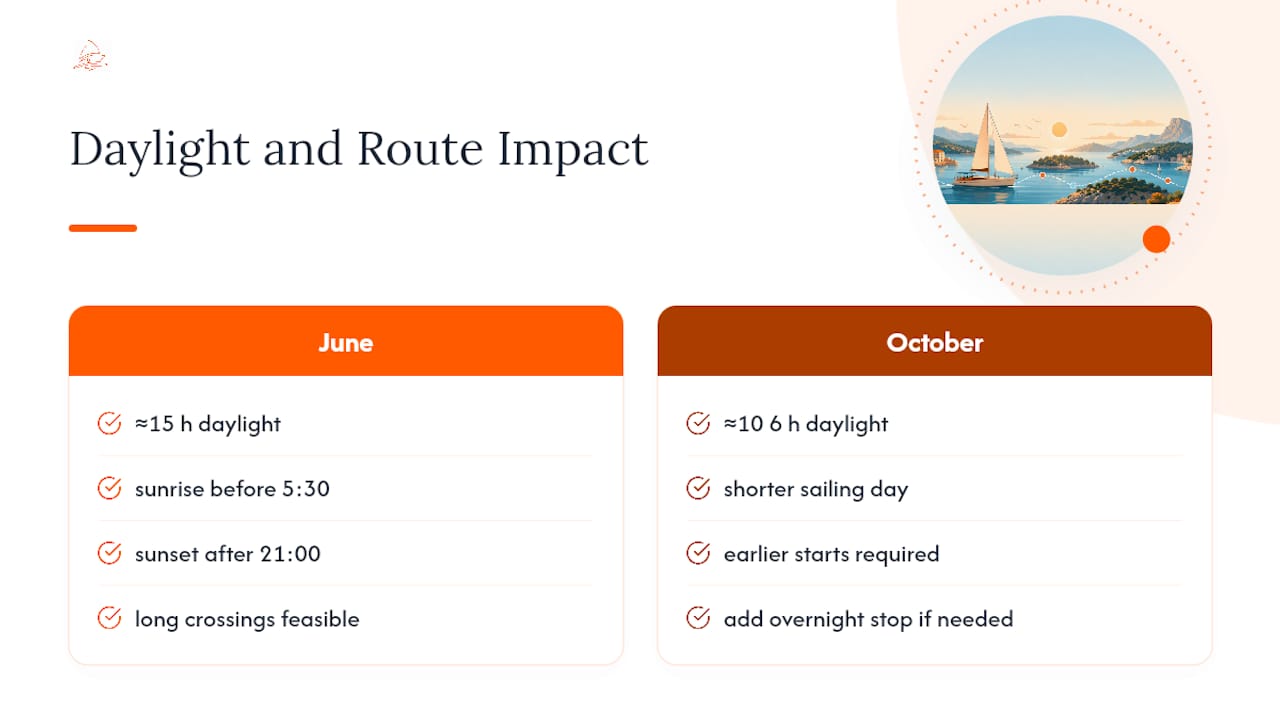
Daylight swings hard across the season, and it should shape how ambitious your daily route gets. In June, you get close to 15 hours of daylight, with sunrise before 5:30 a.m. and sunset well past 9 p.m. That's enough light to squeeze in a long crossing and still anchor before dinner. By October, daylight shrinks to roughly 10 to 11 hours, which means routes that felt easy in July suddenly need an earlier start or an overnight stop added in.
Night sailing on the Adriatic is manageable but not casual. Ferry traffic runs heavy corridors between the mainland and major islands, and unlit fishing gear shows up in unexpected spots close to shore. Most bareboat charter contracts either restrict night passages outright or require prior approval, so check your agreement before assuming you can push past sunset.
If you're sailing in the shoulder months, build slack into your daily distances. A 30 nautical mile hop that's comfortable with 15 hours of June daylight gets tight fast in late September, especially if wind conditions force a slower crossing. Locals plan around this instinctively: leave early, arrive by mid afternoon, and treat the last hour of daylight as a buffer rather than sailing time. Anchoring in an unfamiliar bay after dark, even a calm one, adds risk that a one hour earlier departure removes entirely.
Weather Hazards to Watch for by Season
Sudden weather shifts are the main safety issue sailors underestimate on the Adriatic, and the risk profile changes month to month. Summer afternoons can produce short, sharp thunderstorms that build fast over the mainland and roll offshore with little warning, usually clearing within an hour but capable of producing strong gusts while they last.
The bora is the bigger concern in the shoulder and cooler months. It can arrive with minimal warning and push gusts strong enough to make an open crossing genuinely dangerous, particularly in exposed channels like the one between the mainland and Pag or through the Velebit Channel. Checking a real-time forecast the morning of any longer passage, not the night before, is standard practice among charter skippers here.
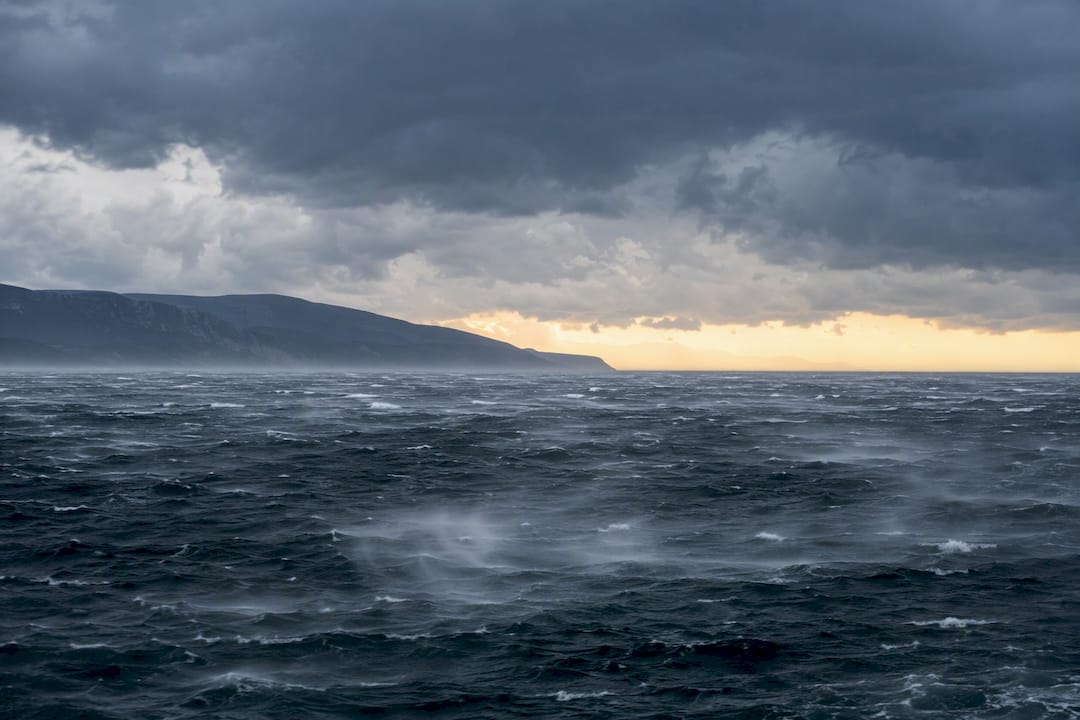
October carries the highest storm risk of the core season, with more frequent low-pressure systems moving through the Adriatic. That doesn't rule out good sailing weeks. It means holding your itinerary loosely and having a sheltered bay identified as backup for every leg. Marinas across the coast are generally well equipped to handle sudden squalls, but anchoring out in an unprotected bay when a bora warning is active is a mistake even experienced sailors make once and don't repeat. Keep an eye on VHF weather channels and local harbor master postings, which tend to flag bora warnings well ahead of the wind actually arriving.
Coastal Events and Festivals That Affect Sailing Plans
Croatia's coast runs a packed summer events calendar, and several festivals directly affect where you can dock. Hvar Town and Split both host major summer festival crowds that fill marina berths solid for days at a time, so if your route includes either port during a known festival week, reserve a berth well ahead or plan to anchor out and tender in.
Ultra Europe in Split, typically held in July, is the single biggest disruptor for marina space in that city during peak season. Expect harbor traffic and noise to spike accordingly. Smaller island festivals, common on Vis, Korčula, and Brač through July and August, are less disruptive to marina space but can pack out the closest restaurants and bars, so a reservation for dinner matters as much as one for your berth.
Shoulder season sailors mostly avoid this entirely. September still carries a handful of harvest festivals and wine celebrations on islands like Korčula, but nothing approaching the scale of peak summer crowds. If you want the atmosphere of a coastal festival without the marina chaos, timing a September or early October trip around one of these smaller island celebrations tends to work better than chasing the big July events.
Best Sailing Routes for Each Time of Year
Route choice should shift with the season, not just your bucket list. In peak summer, the classic Split to Dubrovnik run through Hvar, Korčula, and the Pelletal Peninsula works well because the reliable maestral makes daily legs predictable, even though you'll share every anchorage with dozens of other boats.
Shoulder season sailors have more room to explore quieter itineraries. The Kornati Islands, a national park north of Split, feel genuinely different in late May or September when you're not competing for anchorage space among the park's hundreds of islets. The Dalmatian Coast's central stretch around Split remains the most practical base regardless of month, thanks to strong ferry and flight links.
For April and late October sailors, sticking closer to the mainland with shorter hops between Split, Trogir, and the nearer islands like Volta and Brač makes sense given the higher chance of unsettled weather. Longer open crossings to further islands are better saved for months when a sudden bora is less likely to catch you exposed.
Preparing for an Off-Season or Shoulder-Season Croatia Sailing Trip
Shoulder and off-season sailing rewards a bit of extra preparation that peak summer doesn't demand. Pack real layers, not just a light jacket. Mornings and evenings in April, May, September, and October can run cool enough on the water that a proper windbreaker and a warm base layer make the difference between an enjoyable watch and a miserable one.

Confirm service availability before you rely on it. Smaller marinas and waterfront restaurants sometimes run reduced hours or stay closed entirely in April and late October, so call ahead rather than assuming a chandlery or fuel dock will be open when you arrive. Build a flexible itinerary rather than a fixed one; shoulder season weather is generally excellent but can turn with a day's notice, and a route with two or three viable alternate anchorages beats a rigid daily schedule every time.
Finally, budget extra time for both ends of the trip. Fewer flight connections run to Split and Dubrovnik outside peak months, so a 24 to 48 hour arrival buffer matters even more in October than it does in July.
Sailorix Perspective: Why Shoulder Seasons Win
Based on the seasonal data, late May through mid June and September into early October give sailors the best balance of wind, warmth, and open water. Our own Adriatic winds guide and Croatia charter resources go deeper on routes and timing for anyone locking in dates.
— SAILORIX
Book Your Croatia Sailing Trip Through Sailorix
Sailorix is the alternative to overpaying a traditional charter broker for the exact same boat: membership costs €100 a year and unlocks roughly 1% service fees on bookings, instead of the 10 to 20% markup most charter agencies build into their rates.

That difference matters most in shoulder season, when berths and boats at Split and other Dalmatian bases go fast among sailors who already know late May and September are the smart play. Real-time availability on the platform lets you compare fleets and lock a charter for either window without waiting on a broker's callback, whether you're booking a bareboat for June or a skippered boat for a September island run. If your dates are set, check current availability and membership details on the Sailorix landing page and get your Croatia charter on the calendar.
Sources
- Splendid
- Croatia Sailing Guide 2026 | Routes, Season, Charters & Tips
- A beginner's guide to sailing Croatia's Dalmatian Coast - National Geographic