
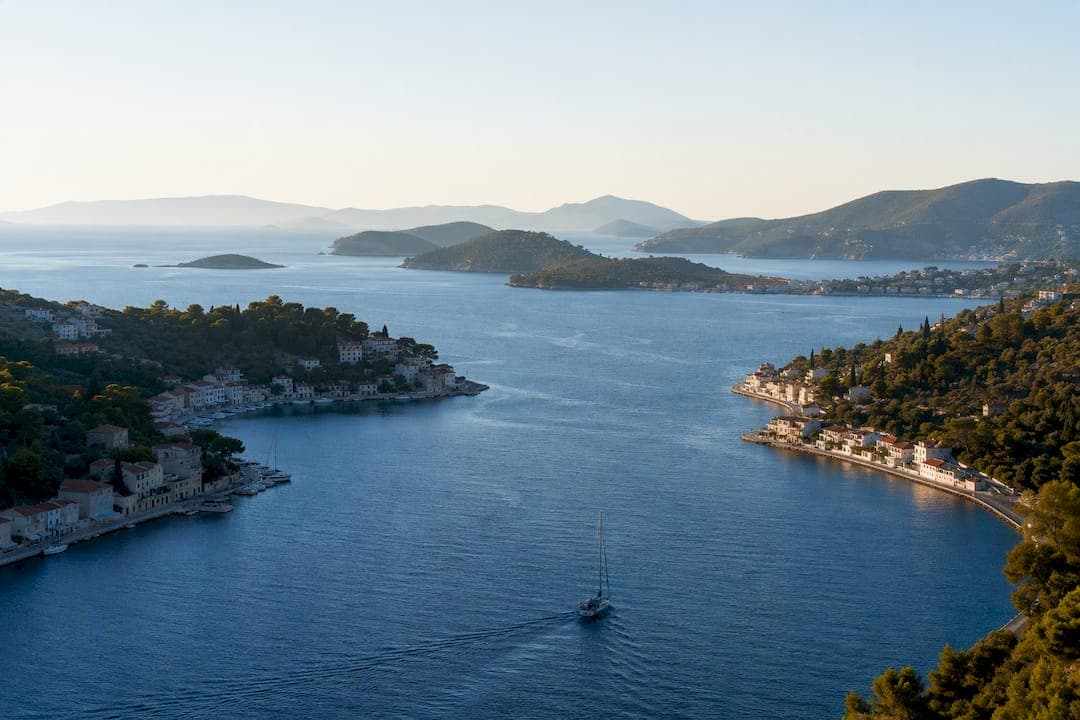
If you want an easy first-time sailing holiday, choose a 7-day Saronic Gulf circuit starting from Alimos. If you want iconic island hopping and more open-water sailing, choose a 7 to 8-day Cyclades route starting from Lavrio. Ionian circuits from Corfu or Lefkada suit families who want sheltered water and lush scenery overdramatic wind. The routes, timing, and berthing details below turn that choice into a bookable plan.
TL;DR:
- The Saronic Gulf route is best for first-time sailors, with short daily legs, sheltered waters, and gentle winds, making it ideal for nervous or family crews.
- The Cyclades itinerary involves longer crossings, stronger wind conditions, and iconic island stops like Mykonos and Delos, suited for experienced groups seeking dramatic scenery.
- The Ionian circuit offers calmer seas, lush landscapes, and short hops, making it perfect for families and groups with less offshore sailing experience.
- Booking the right boat size is crucial, with larger cabins often costing less in frustration than a cramped crew in a smaller vessel, especially during peak season.
- Sailorix simplifies booking by offering real-time availability and lower service fees, with advice on timing, skipper options, and seasonality to optimize your Greek sailing trip.
Table of Contents
- What Are the Best Greece Sailing Itineraries?
- Three Complete Day-By-Day Sailing Routes
- How Do You Choose the Right Sailing Route?
- Practical Tips for Sailing Greece
- Why Sailorix Simplifies Greek Sailing Planning
- A Straight Answer on Picking Your First Route
- Ready to Book Your Greece Sailing Trip?
- Sources
- FAQ
What Are the Best Greece Sailing Itineraries?
Four routes cover most of what travelers actually search for when planning a Greece sailing itinerary, and each one solves a different problem.
The 7-day Saronic Gulf loop is the default answer for first-timers. It starts and ends at Alimos Marina near Athens, covers roughly 100 nautical miles total, and keeps daily passages short, usually 10 to 18 NM per leg. Winds inside the gulf rarely exceed Force 3 to 4, and you're never more than a few hours from shelter. This is the itinerary to pick if your crew includes nervous sailors, young kids, or anyone who wants long lunches in a taverna more than long days at the helm.
The 7 to 8-day Cyclades classic runs from Lavrio down through Paros, Mykonos, Naxos, and the Small Cyclades before looping back. This is the postcard version of Greek sailing: whitewashed villages, dramatic anchorages, and a day stop at Delos, which is a must-see but comes with a firm rule. It's a UNESCO site with no overnight anchoring permitted, so you visit, you explore, and you move on before dark. Expect stronger, more consistent wind than the Saronic, especially from June through September.
A 7-day Ionian circuit, based out of Corfu or Lefkada, is the pick for families or groups who want green islands, calmer seas, and fewer long crossings. Kefalonia, Ithaca, and Paxoi are all reachable in short hops, and the Ionian sees far less Meltemi influence than the Aegean side of the country.
For crews with real offshore experience, a 10-plus day extended route through the Cyclades into the Dodecanese opens up islands like Amorgos, Astypalaia, or even Kos. This isn't an itinerary to start with. It rewards sailors who already know how to read wind forecasts and adjust a schedule on short notice.
A few things to weigh before you pick one:
- Crew sailing experience and comfort with open-water passages
- How much history and archaeology versus beach time you actually want
- Whether the trip needs to work for kids or non-sailing guests
- Total vacation days available, since transfers and check-in eat into sailing time
Three Complete Day-By-Day Sailing Routes
Here's how each headline itinerary breaks down leg by leg, with realistic mileage and a shore highlight worth building your day around.
1. Saronic Gulf, 7 days, starting and ending at Alimos
Day 1: Alimos to Aegina, about 17 NM, 3 to 4 hours. Aegina's harbor town has a working fish market right on the quay, a good way to ease into island rhythm on day one.
Day 2: Aegina to Poros, roughly 17 NM. Poros squeezes between the mainland and the island, so you can watch coastal traffic from a taverna table while your boat sits at anchor a few hundred yards away.
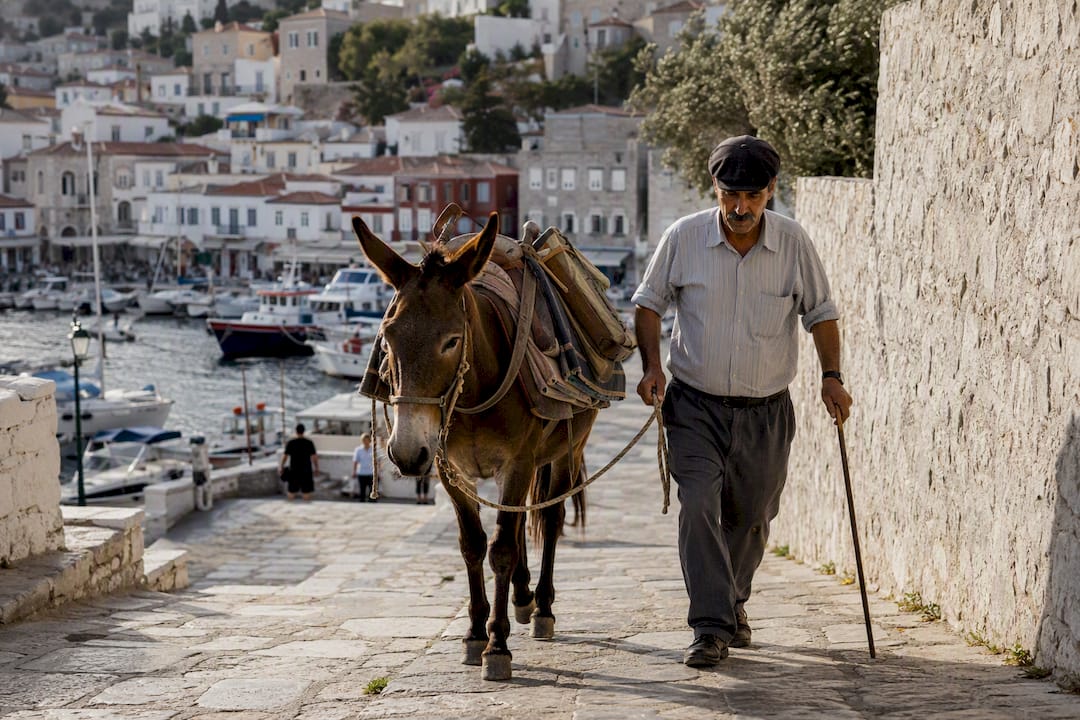
Day 3: Poros to Hydra, about 12 NM, one of the shortest legs of the week. Hydra bans motor vehicles entirely, so the only way around the port town is on foot or by donkey, which makes it one of the more memorable stops in the Saronic.
Day 4: Layover in Hydra or a short hop to Dokos for quieter swimming, since the harbor gets crowded with day-trip boats by midafternoon.
Day 5: Hydra to Spetses, about 14 NM. Spetses has a distinct neoclassical waterfront and some of the better beach clubs in the gulf if your crew wants a day off the boat.
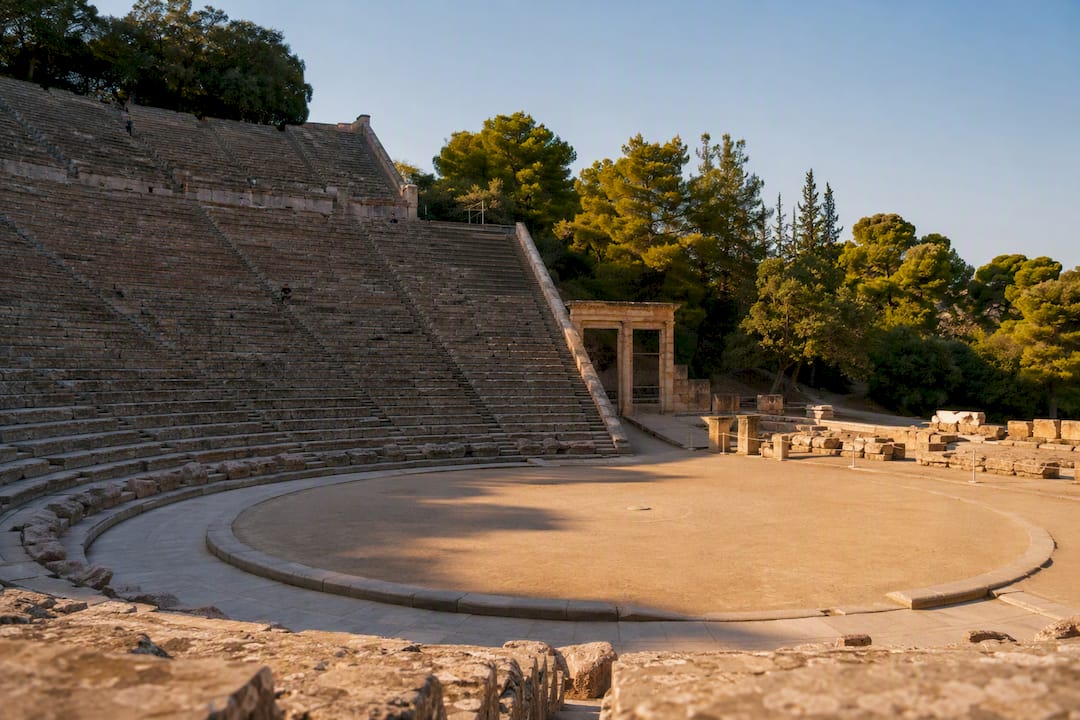
Day 6: Spetses to Epidaurus (Palea Epidavros), roughly 20 NM, the longest single leg of the trip. The ancient theater at Epidaurus, a short taxi ride from the anchorage, is worth the detour for anyone interested in classical history.
Day 7: Epidaurus back to Alimos, about 30 NM depending on conditions, closing the loop.
Alternate for heavy wind or a less experienced crew: skip Epidaurus and do a shorter Poros to Alimos direct return, trimming roughly 15 NM off the final two days.
2. Cyclades, 7 to 8 days, starting from Lavrio or Paros
Day 1: Lavrio to Kea or direct to Paros depending on your start point and wind. A Lavrio to Paros crossing runs long, sometimes 78 to 90 NM, so many charterers plan an overnight sail or break it into two legs via Kea or Syros.
Day 2 to 3: Base in Paros, with a day sail over to Antiparos for swimming and a look at the sea caves.
Day 4: Paros to Delos, a shorter hop of around 20 NM. Treat this strictly as a day visit. Since Delos has minimal on-site signage, book a guide in advance or research the site layout before you arrive, and budget extra time onshore rather than trying to squeeze it between two other stops.
Day 5: Delos to Mykonos, a short crossing of roughly 3 NM. Mykonos town is worth an evening for the windmills and the harbor, though it gets busy with cruise traffic midday.
Day 6: Mykonos to Naxos, about 25 NM. Naxos has real archaeological depth and a much more laid back old town than Mykonos, so this is a good day to linger rather than rush to the next island.
Day 7: Naxos to Koufonisia, around 20 NM, for some of the clearest swimming water in the Cyclades.
Day 8: Koufonisia back to Lavrio, a long final crossing that experienced skippers often split with an overnight stop at Paros or Syros depending on the wind that week.
Alternate for heavy wind or reduced-skill groups: cut the Koufonisia extension and turn back from Naxos, shortening the trip to a cleaner 7 days with shorter legs throughout.
3. Ionian, 7 days, starting from Lefkada
Day 1: Lefkada to Meganisi, a short 6 to 8 NM hop, an easy warmup day with several protected coves for a first-night anchorage.
Day 2: Meganisi to Ithaca (Vathy), about 20 NM. Ithaca's harbor town is quiet compared to the bigger Ionian islands, which makes it a good stop for families wanting a slower evening.
Day 3 to 4: Ithaca to Kefalonia, roughly 10 NM to Fiskardo, then a short coastal hop down to Argostoli or Assos. Kefalonia's beaches, particularly Myrtos, are worth a full day off the boat.
Day 5: Kefalonia to Zakynthos, a longer open crossing of around 30 NM, the most exposed leg of the week, so check conditions closely before committing.
Day 6: Zakynthos to Paxoi, roughly 35 NM, another longer passage best done with an early departure.
Day 7: Paxoi back to Lefkada, about 25 NM, closing the loop through generally sheltered water.
Alternate for heavy wind or reduced-skill groups: drop Zakynthos and Paxoi and instead loop Lefkada, Meganisi, Ithaca, and Kefalonia only, which keeps every crossing under 20 NM.
How Do You Choose the Right Sailing Route?
Match the boat and charter style to your crew before you fall in love with a specific route on a map.
Start with honest answers to a few questions: how much actual sailing experience does your crew have, how many hours a day do people want to spend underway versus swimming or exploring, and is the trip built around history, beaches, or nightlife? A group of six friends wanting late nights in Mykonos needs a different plan than two families with young kids who mostly want calm anchorages and short transfers.
Boat type matters more than most first-time charterers expect. A catamaran offers more deck space, shallower draft for tucking into coves, and noticeably more stability on longer crossings, which makes routes like Lavrio to Paros easier on mixed-skill groups. A monohull rewards people who actually want to sail rather than motor, and tends to handle upwind legs better in a stiff Meltemi. Gulets, the traditional wooden motor sailers, suit larger groups prioritizing comfort and shared social space over sailing performance.
On charter style: bareboat works fine for the Saronic and Ionian if someone aboard holds real sailing qualifications and coastal experience. For the Cyclades, or for any crew without a confident skipper, hiring a local skipper removes a lot of the risk that comes with Meltemi-driven wind and unfamiliar harbors. It's also worth checking group layout options before booking, since cabin count and privacy needs shift the right boat size fast.
Budget-wise, a 38 to 40-foot monohull in the Saronic typically runs €1,800 to €3,500 per week, with a similar-length catamaran landing around €3,000 to €5,500. Add fuel, mooring fees, provisioning, and port taxes on top of the base charter rate. A closer breakdown of catamaran weekly budgets is worth reading before you lock in a boat size.
Pro Tip: Book the boat one size up from what you think you need. An extra cabin or a wider beam costs less than the frustration of a cramped week with six adults and one bathroom.
Practical Tips for Sailing Greece
Wind planning drives everything else. The Meltemi, a strong northerly wind that dominates the Aegean, typically peaks in July and August and can build to Force 6 or 7 in open Cyclades water. The simple routing rule: sail with the wind rather than against it when you have flexibility, and pick overnight anchorages on the leeward (sheltered) side of an island whenever the forecast looks aggressive.
Berthing has its own rhythm in high season. During July and August, berth shortages are common across the Cyclades, and the local habit is to arrive by 2:00 PM to claim a stern-to spot on the quay. Arrive later and you're likely anchoring nearby, waiting for a line to a mooring buoy, or rafting up alongside another boat. Marinas at bases like Alimos and Lavrio offer water and fuel, but smaller island harbors often don't, so plan fuel stops around your bigger bases rather than assuming every port has a pump.
- Provision at supermarkets near Alimos or Lavrio before departure; island shops are smaller and pricier
- Expect a security deposit hold on your card, refunded after a check-out inspection.
- Ask about skipper and equipment add-ons, including safety gear and paddleboards, when you book
- Build in one buffer day if your itinerary includes a long open crossing
Why Sailorix Simplifies Greek Sailing Planning
Turning any of these routes into an actual booking usually means comparing boats, fees, and availability across scattered listings. Sailorix cuts that down with real-time availability search by destination and boat type, so you can check what's actually free for your dates in the Saronic, Cyclades, or Ionian without chasing separate operators.
The membership model changes the math too. For a €100 annual fee, members unlock booking access with service fees around 1%, well below the 10 to 20% typical of standard booking platforms. On a €3,000 weekly charter, that difference is real money back in your provisioning budget.
- Compare bareboat and skippered options side by side before committing
- Add extras like early check-in or equipment directly during booking
- Check destination guides for seasonal timing before locking dates
A Straight Answer on Picking Your First Route
First-timers should start in the Saronic. It's forgiving, the anchorages are close together, and a bad wind day rarely ruins the whole trip. Save the Cyclades for a second Greek sailing trip, once you know how your crew handles a real open-water crossing.
The single rule worth carrying into any itinerary: build slack into the schedule and tuck into a leeward cove the moment the Meltemi picks up. Comfortable crew make better decisions than tired, seasick ones.
— SAILORIX
Ready to Book Your Greece Sailing Trip?
Sailorix gets you past the comparison-shopping stage and straight to checking what's actually available for your dates. That gap alone can cover a few extra nights of provisioning or a skipper add-on for a Cyclades crossing.
Whether you're set on the Saronic loop, the Cyclades classic, or still weighing a skippered Ionian week, check live availability and membership details on Sailorix and lock in your boat before peak season books out. Sailorix can also help you find skippered options if your crew wants local expertise handling the Meltemi, or a bareboat setup if you're confident going it alone.
Sources
- The Saronic Gulf Circle: Athens and Back in 7 Days
- The Ultimate Cyclades Sailing Itinerary: Myths & Ruins
- Sailing itineraries Cyclades
- 7-Day Sailing Itinerary – Cyclades Islands, Greece - Up and Sail
FAQ
What Are the Best Months to Sail in Greece?
Late May, June, and September offer the best balance of warm weather and manageable wind, since the Meltemi typically peaks in July and August. Shoulder season also means fewer berth shortages in busy Cyclades harbors.
How Much Does a Sailing Holiday in Greece Cost?
A 38 to 40-foot monohull in the Saronic runs roughly €1,800 to €3,500 per week, while a similar-length catamaran costs about €3,000 to €5,500, before fuel, mooring, and provisioning.
Can You Anchor Overnight at Delos?
No. Delos is a UNESCO site that permits day visits only, with no overnight anchoring allowed, so it fits into a Cyclades itinerary as a single stop rather than an overnight base.
Should I Choose the Cyclades or the Saronic for My First Trip?
Choose the Saronic if you're new to sailing or traveling with kids, since it offers short legs and minimal Meltemi exposure. Choose the Cyclades if you've sailed before and want longer open-water crossings and more dramatic scenery.
What Is a Good Sailing Route for Families in Greece?
The Ionian circuit from Lefkada or Corfu, covering Meganisi, Ithaca, and Kefalonia, offers sheltered water and short hops that work well for families and less experienced crews.