
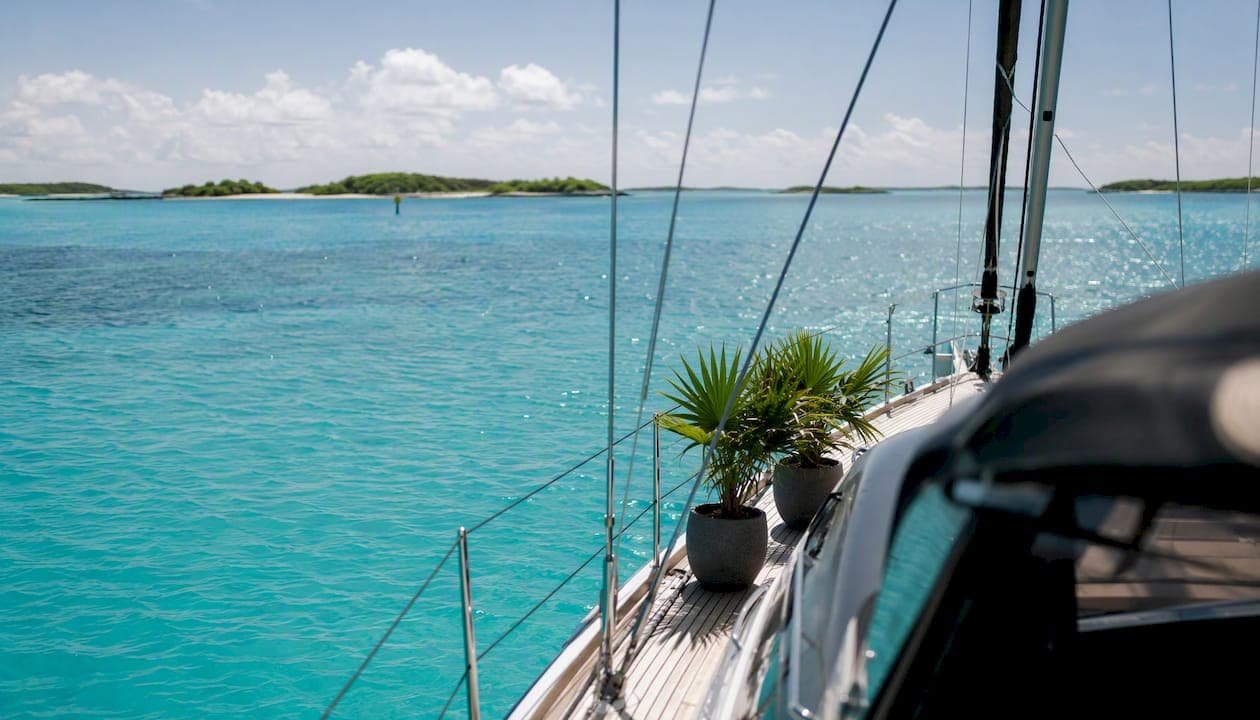
The best Bahamas sailing itinerary depends on two things: how much time you have and how much open water your crew is comfortable with. For a 7-day trip, the Abacos loop from Marsh Harbour is the strongest pick — mostly protected, line-of-sight sailing across the Sea of Abaco with short daily hops and excellent provisioning. For 10 days, the Exumas chain from George Town gives you more dramatic scenery, swimming pigs at Big Major Cay, and Thunderball Grotto, but expect longer legs and some open-water passages. Weekend sailors or anyone staging from South Florida should look at Bimini first — roughly 50 nautical miles from Miami, clearable in a day. Skill matters: the Abacos suit bareboat charterers and newer crews; the Exumas reward experienced sailors comfortable with Exuma Sound crossings. You can search real-time availability for all three regions through Sailorix before you commit to a route.
- 7-day Abacos loop: Start Marsh Harbour, sheltered sailing, ideal for bareboat crews
- 7-day Exumas: Start George Town or Staniel Cay, open-water legs, best for experienced crews
- 10-day Exumas/Abacos combo: Extends either loop north or south, with buffer days built in
- Weekend/3-day Bimini or Nassau: From Miami or Lake Worth, suits limited-range boats and novice crews
Key Takeaways
The strongest Bahamas sailing itinerary matches your crew's skill level to the region: Abacos for protected sailing, Exumas for open-water adventure, and Bimini for a fast weekend run from South Florida.
| Point | Details |
|---|---|
| Match region to skill level | Abacos suits beginner–intermediate crews; Exumas require comfort with open-water passages on Exuma Sound. |
| Build in weather days | Whale Cay closes 3–6 days per month on average in January–March; a buffer day prevents a ruined itinerary. |
| Clear customs at first port | Entry procedures are mandatory — complete online cruising permit forms before departure and clear at Bimini, Nassau, or Marsh Harbour. |
| Provision before the outer cays | George Town (Exumas) and Marsh Harbour (Abacos) are the last reliable fuel and grocery stops heading into the chain. |
| Sailorix for booking | Search real-time availability, add a skipper, and pay roughly 1% in service fees via annual membership at Sailorix. |
Table of Contents
- Which Bahamas sailing route fits your crew?
- How to sail the Abacos: a 7–10 day loop from Marsh Harbour
- How to sail the Exumas: a 7-day route from George Town
- Short and weekend options: Nassau, Bimini, and nearby routes
- Planning essentials for U.S.-based sailors
- How to choose the right boat and trip length
- Sailorix's perspective on Bahamas itinerary planning
- Sailorix makes booking your Bahamas charter straightforward
- Sources
Which Bahamas sailing route fits your crew?
The table below maps the four main itinerary types to the factors that actually drive the decision: daily mileage, skill demand, and what you get at the end of each day.
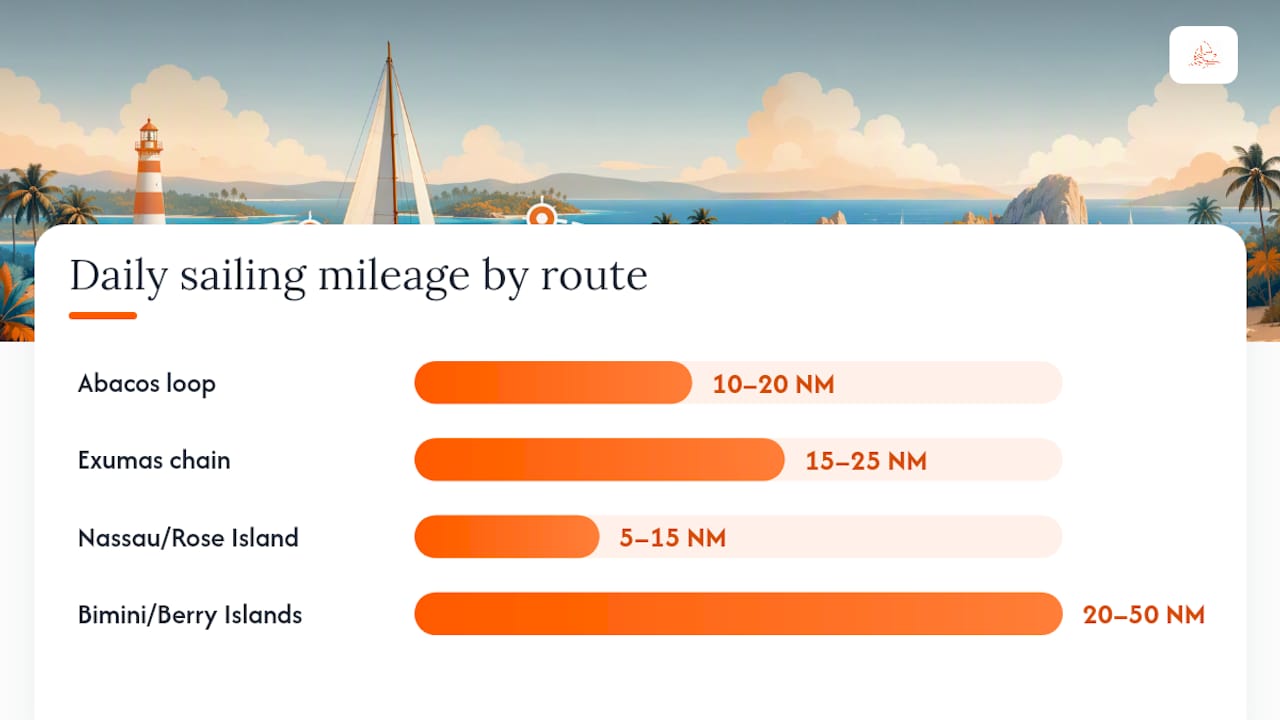
| Itinerary | Duration | Daily sailing (hrs / NM) | Start port | Skill level | Anchorage vs marina | Top highlights |
|---|---|---|---|---|---|---|
| Abacos loop | 7–10 days | 2–4 hrs / 10–20 NM | Marsh Harbour | Beginner–intermediate | Mix (mooring balls + marinas) | Hope Town lighthouse, Green Turtle Cay, Treasure Cay beach |
| Exumas chain | 7–10 days | 3–5 hrs / 15–25 NM | George Town or Staniel Cay | Intermediate–advanced | Mostly anchorage (park moorings at Warderick Wells) | Swimming pigs, Thunderball Grotto, blue holes, turtles |
| Nassau/Rose Island | 1–3 days | 1–2 hrs / 5–15 NM | Nassau | Beginner | Marina-heavy | Snorkeling, nearshore reefs, Rose Island anchorage |
| Bimini/Berry Islands | 2–5 days | 4–6 hrs / 20–50 NM | Bimini or Miami | Beginner–intermediate | Mix (Bimini marina + anchorage) | Gulf Stream fishing, Chub Cay, quiet cays |
Key planner takeaways by route:
- Abacos: weather sensitivity peaks January–March when Whale Cay Passage closes 3–6 days per month on average; build at least one buffer day per week
- Exumas: provisioning is concentrated at George Town — stock up before heading north into the chain
- Bimini: the Gulf Stream crossing demands a favorable forecast; northerly winds against the current create steep, dangerous seas
- Nassau: most accessible for first-timers, but marina fees are higher than anchorage-based routes
How to sail the Abacos: a 7–10 day loop from Marsh Harbour
The Abacos loop covers roughly 110 nautical miles and is one of the most forgiving multi-day sailing trips in the Bahamas. The Sea of Abaco is protected on both sides, which means most legs are short, flat-water hops with the next island visible from the cockpit. That said, one passage — Whale Cay — demands respect.
Difficulty rating: Beginner to intermediate. Suitable for bareboat charterers with basic coastal sailing experience. Whale Cay Passage is the one exception.
Mooring and marina notes: Hope Town mooring balls are managed privately and fill fast in peak season (December through March). Treasure Cay Marina has fuel docks and a small grocery. Green Turtle Club is the most complete facility north of Marsh Harbour, with fuel, a restaurant, and a well-stocked ship's store.
The Whale Cay problem: This roughly 3 nautical mile Atlantic crossing sits between Great Guana and Green Turtle Cay. When wind opposes tide, the seas stack up fast. Check conditions at dawn on VHF 16 and from local knowledge at Treasure Cay. If it looks marginal, stay put — the anchorage at Treasure Cay is comfortable and the beach is excellent.
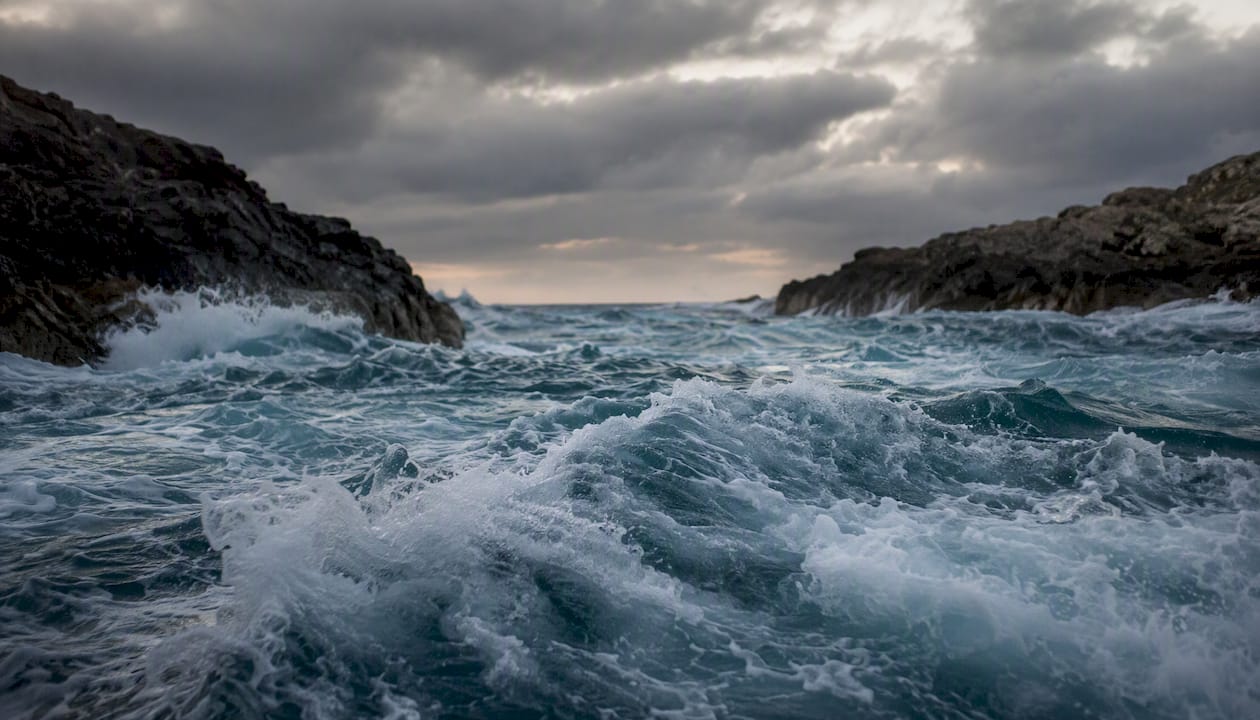
Pro Tip: Plan your Whale Cay crossing for the morning, heading north, when wind and tide are most likely to align. Southbound passages on the return leg are statistically calmer, but still check before you go.
For a 10-day extension, add two days north of Green Turtle: Great Sale Cay is a popular overnight anchorage, and you can push to Spanish Cay or Powell Cay before turning back south.
How to sail the Exumas: a 7-day route from George Town
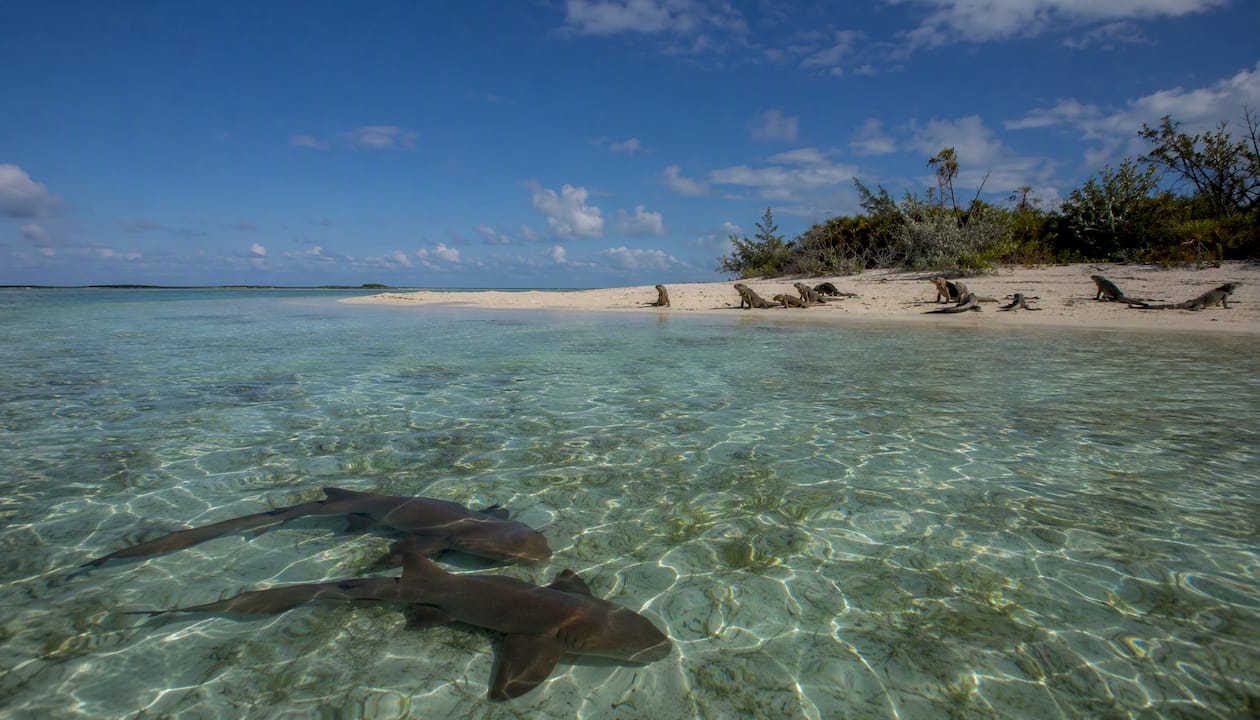
The Exumas are a different animal. The chain stretches roughly 120 miles from Highborne Cay in the north to Great Exuma in the south, and the sailing is more exposed than the Abacos. Exuma Sound, on the Atlantic side, can run 3–6 feet of swell on a normal day. The payoff is some of the most spectacular cruising in the Caribbean: turquoise flats, wild iguanas, nurse sharks, and the famous swimming pigs at Big Major Cay.
Difficulty rating: Intermediate to advanced. Open-water legs on Exuma Sound require confident passage planning and a crew comfortable with 15–25 NM days in open water.
The Exumas chain benefits from George Town as the main resupply hub — fuel, groceries, laundry, and provisioning are all available there before you head north into the chain, where services thin out quickly.
Park mooring rules at Warderick Wells: The Exuma Cays Land and Sea Park requires all vessels to use designated mooring balls. Anchoring is prohibited to protect the seagrass and coral. Mooring fees apply and the field fills quickly from December through April. Call the park on VHF 16 to confirm availability before you arrive.
Activity highlights by stop:
- Warderick Wells: whale bone sculpture on Boo Boo Hill, pristine reef snorkeling, sea turtles
- Staniel Cay: Thunderball Grotto (best at slack tide, low water), swimming pigs at Big Major Cay, blue holes nearby
- Compass Cay: nurse shark feeding, calm anchorage, excellent for families
- Norman's Cay: the sunken Cessna wreck is one of the most photographed dive sites in the Bahamas
- Highborne Cay: lemon sharks in the marina basin, reef snorkeling directly off the beach
Daylight passage guidance: On Exuma Sound legs, depart by 7:00 AM to arrive before afternoon squalls build. The sound can turn choppy by early afternoon in trade-wind conditions.
Short and weekend options: Nassau, Bimini, and nearby routes
Not every trip needs a week. These shorter Bahamas sailing routes work well as standalone weekends or as staging legs before a longer itinerary.
-
Miami to Bimini (1–2 days): The Gulf Stream crossing is roughly 50 nautical miles from South Florida and takes 5–8 hours depending on your boat speed. Depart at dawn from Miami or Lake Worth, clear customs at Bimini, and spend the afternoon snorkeling or fishing. Bimini has a marina with fuel and basic provisions. A second day lets you explore North Bimini's beaches before heading back or continuing east.
-
Bimini to Berry Islands (2–3 days): Chub Cay Marina in the Berry Islands offers good facilities and a quieter anchorage scene than Bimini. The Berry Islands work well as a 1–2 week option for crews who want a progression toward Nassau without committing to the full Exumas run. Expect 30–40 NM from Bimini to Chub Cay.
-
Nassau and Rose Island (1–3 days): Nassau is the easiest entry point for sailors who fly in and charter locally. Rose Island anchorage is 5 NM east of Nassau Harbour and offers calm, clear water and good snorkeling with almost no boat traffic. Day two can include a run to the Exuma Sound edge at Allan's Cay (roughly 35 NM), where iguanas meet you on the beach.
Who these routes suit: Novice crews, boats under 35 feet with limited fuel range, or sailors who want to test their sea legs before committing to a longer passage. Bimini customs clearance is straightforward and the crossing, while requiring a good weather window, is manageable for most coastal sailors.
Quick provisioning note: Bimini's grocery options are limited — bring most provisions from Florida. Nassau has full supermarkets near the marina district.
Planning essentials for U.S.-based sailors
Gulf Stream crossing
The crossing from South Florida to Bimini is roughly 50 nautical miles and should be treated as a passage, not a day sail. Northerly winds blowing against the north-flowing Gulf Stream create steep, breaking seas that can make the crossing genuinely dangerous. Pick a forecast with winds from the south or southeast, plan to depart at dawn, and monitor VHF weather channels throughout. Lake Worth (Palm Beach) is a slightly shorter departure point than Miami and gives you a better angle on the current.
Customs and immigration
Formal customs and immigration entry procedures are mandatory for all international charters entering the Bahamas. You must clear at an official port of entry — Bimini, Nassau, or Marsh Harbour are the most common for U.S. sailors. The Bahamas introduced an online cruising permit system; confirm current requirements and complete any required forms before departure. Carry your boat documentation, passports for all crew, and a crew list. Fees apply per person and per vessel.
For international charter paperwork and what to expect at the dock, the guide to renting boats abroad covers the documentation checklist in detail.
Weather windows and seasonality
November through May is the primary cruising season. December and April tend to offer the most settled conditions. January through March brings more frequent cold fronts, and Whale Cay Passage in the Abacos closes an average of 3–6 days per month during that window. Hurricane season runs June through November — most experienced sailors clear the Bahamas by June 1.
Pro Tip: Build at least one weather day per week into any Bahamas itinerary. The islands are beautiful enough that an unplanned layover at Hope Town or Staniel Cay never feels like a waste.
Provisioning and fuel
The Bahamas has roughly 700 islands and 2,400 cays, with only about 30 inhabited — which means many anchorages have no services at all. Stock up before you leave the U.S. or at your first major port. For the Exumas, George Town is the last reliable provisioning stop heading north. For the Abacos, Marsh Harbour and Treasure Cay both have grocery stores and fuel docks. Carry more fuel than you think you need; diesel prices in the Bahamas run higher than Florida.
Planning checklist:
- Provisions for at least 3–4 days beyond your planned itinerary
- Spare fuel in jerry cans for remote legs
- Paper charts and a downloaded offline chart app (Navionics or Garmin ActiveCaptain)
- VHF radio (required), plus a handheld backup
- EPIRB registered to your vessel
- First aid kit, flares, and a life raft for offshore passages
- Crew list and passports ready for customs
Communications and safety
Monitor VHF 16 at all times underway. The Bahamas Air Sea Rescue Association (BASRA) operates on VHF 16 and coordinates search and rescue. Cell coverage exists in Nassau, Marsh Harbour, and George Town but disappears quickly in the outer cays. A satellite communicator (Garmin inReach or SPOT) is worth carrying on any passage beyond Bimini.
How to choose the right boat and trip length
Catamaran vs. monohull
Catamarans dominate Bahamas charters for good reason: shallow draft lets you anchor in 4–5 feet of water over the flats, the wide beam provides stability at anchor, and the deck space is genuinely useful for a group. A 40–45 foot cat comfortably sleeps 6–8 and carries enough water and fuel for a week without a marina stop.
Monohulls are faster to windward and cheaper to charter, and a 38–42 footer handles every leg in this guide. The tradeoff is draft — a 6-foot keel limits your anchorage options in the shallower Exuma flats. If your crew includes anyone prone to seasickness, the cat's stability on anchor makes a real difference overnight.
Recommended size and crew
A 38–45 foot boat is the practical sweet spot for 4–6 people on a 7–10 day Bahamas trip. Smaller boats work for couples or solo sailors but sacrifice provisioning capacity and comfort on longer legs. For group planning and cabin allocation, the group yacht trip guide covers crew roles and shared-cost logistics in detail.
Bareboat vs. skippered charter: If your crew has limited offshore experience, adding a professional skipper is money well spent, especially for the Gulf Stream crossing and Whale Cay. Most charter platforms, including Sailorix, let you add a skipper as a booking add-on. For licensing requirements and what qualifications are needed for a bareboat, the sailing license guide lays out the specifics.
Budget order of magnitude
These are planning estimates, not guarantees — prices vary by season and boat size:
- Marina fees: $50–$150/night at most Abacos and Exumas marinas; mooring balls typically $20–$35/night
- Fuel: Budget $300–$600 for a full week depending on engine use and boat size
- Provisioning: $100–$150/person/week if you cook aboard most meals
- Park fees: Exuma Cays Land and Sea Park charges a fee per person per visit
- Activities: Thunderball Grotto snorkel trips, guided tours, and water sports add $50–$150/day for a group
A 7-day Abacos charter for 4–6 people on a 40-foot cat typically runs $4,000–$8,000 for the boat, plus the above costs. The Exumas run similarly, with George Town provisioning adding a day's worth of marina fees if you overnight there.
Sailorix's perspective on Bahamas itinerary planning
Planning a Bahamas sailing trip involves more moving parts than most sailors expect the first time: Gulf Stream timing, customs paperwork, park mooring reservations, provisioning gaps in the outer cays, and the ever-present question of whether Whale Cay will cooperate. At Sailorix, we see these decisions play out across thousands of bookings, and the pattern is consistent — sailors who build weather days into their plan and stock the boat before leaving the U.S. have dramatically smoother trips than those who try to optimize every day.
Sailorix makes booking your Bahamas charter straightforward
Real-time availability search lets you filter by destination, boat type, and departure date across the full Bahamas region. Add a professional skipper, early check-in, or provisioning services directly at booking — no separate calls or emails. Customer support is available for itinerary-specific questions, including help matching your crew's experience level to the right boat and route.
Search available Bahamas yachts on Sailorix and lock in your dates before peak-season inventory fills.
Sources
These are the primary sources cited throughout this guide — each one backs specific planning points and is worth bookmarking before you depart.
- Fourteen Days, One Sea – USA ONBOARD
- A Complete Abacos Loop for Sailors and Landlubbers Alike - Island Hopper Guides
- Cruising Itineraries for The Bahamas | Waterway Guide