
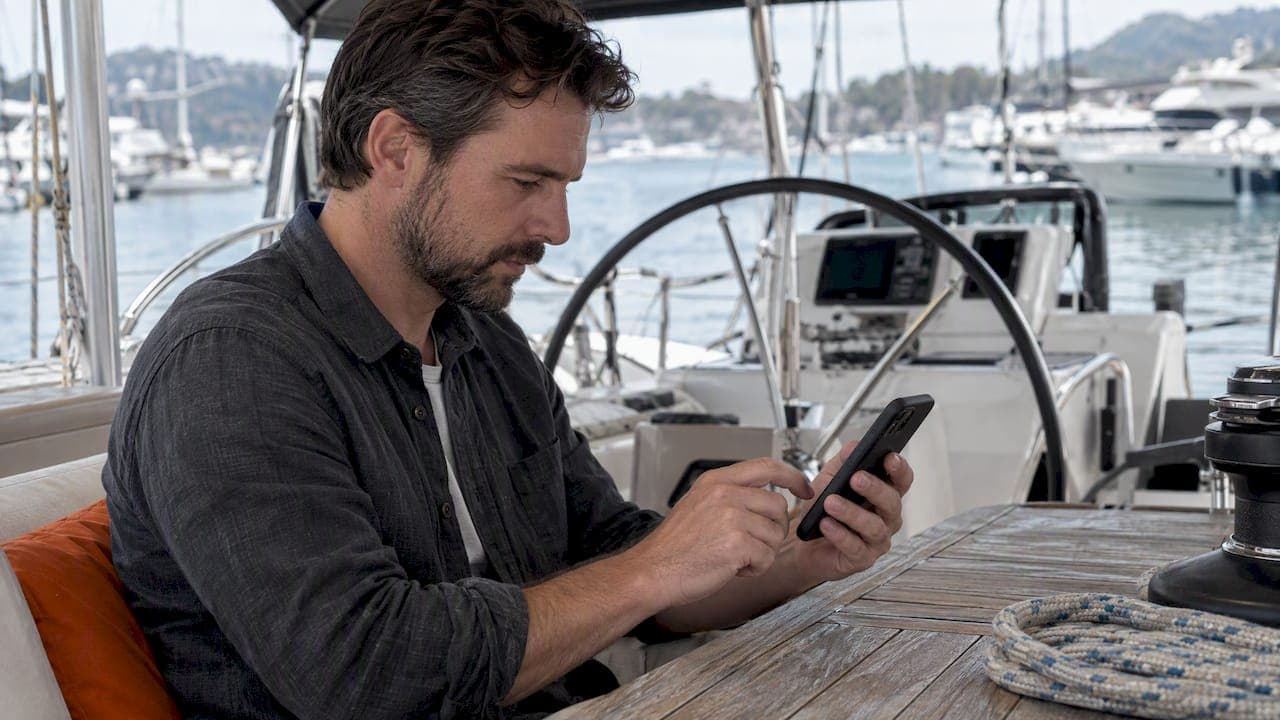
The yacht checkout process is the online flow you use to reserve, pay for, and receive confirmation of a yacht or charter booking. Before you click toward payment, verify the operator's and vessel's credentials and pick a secure payment method, ideally a credit card. A membership-based platform like SAILORIX can simplify this by showing clear fees and discounts up front.
TL;DR:
- Verify the vessel’s regulatory compliance documents, such as the Certificate of Inspection and captain’s credentials, before completing payment.
- Be cautious of requests to wire funds to personal accounts and prefer paying with a credit card for chargeback protection.
- Confirm that the total price matches the sum of base rate, add-ons, and fees, and that deposit and balance due dates are clearly stated in confirmation.
- Acquire proof of legal vessel classification and insurance before boarding, and request the captain's credentials if operating as a commercial vessel.
- Use at-dock photo documentation and follow escalation steps immediately if the service quality or safety standards are not met.
Table of Contents
- What to prepare before you start checkout
- Step-by-step: selecting, adding, paying, and confirming
- Safer payment choices and how deposits actually work
- U.S. compliance checks worth requesting
- What happens dockside at embarkation and return
- If something goes wrong: a quick escalation checklist
- Why checkout friction is the real problem worth solving
- A simpler way to check out for a charter
- FAQ
- Sources
What to prepare before you start checkout
Getting your documents and decisions in order before you open the booking page saves time and protects you from surprises later. Have your ID and the credit card you plan to use within reach, and steer clear of any request to wire funds to a personal account rather than a business account. Confirm the basics of your trip (dates, passenger count, and boarding point) and write down any add-ons you want, such as a skipper or water toys.
- Check your travel insurance policy for charter exclusions before you book.
- Decide whether you want a marine rider or a damage-waiver option.
- Plan to ask for proof of regulatory compliance, such as a Certificate of Inspection or the captain's credentials, during checkout.
- Keep your membership number or any promo code handy so you can apply it at the right step.
Many standard travel policies treat sailing and charter trips as excluded or high-risk activities, so a dedicated sailing insurance plan may be worth comparing before you commit. Our guide to yacht rental standards walks through the due-diligence checklist in more depth.
Pro Tip: Screenshot your trip details (dates, vessel name, total price) before you move to the payment page, so you have a record if anything changes later.

Step-by-step: selecting, adding, paying, and confirming
Once your documents and decisions are ready, the checkout itself moves through a predictable sequence. Knowing what each screen is asking for keeps you from rushing past a clause you should have read.
- Select your vessel and confirm your dates, then double-check the passenger count and itinerary match what you discussed with the operator.
- Review each add-on, such as fuel, a skipper, or gear rentals, and check whether it is refundable if your plans change.
- Apply any membership benefit or promo code, then verify that the service fee and final total reflect the discount correctly.
- Read the contract terms before you pay, paying particular attention to cancellation windows, damage clauses, and what insurance is or is not included.
- Complete payment according to the deposit schedule shown, understanding which portion secures the booking now and which balance is due closer to departure.
- Save your confirmation, the digital contract, and any check-in instructions the operator sends.
A few details are worth confirming before you submit payment:
- The total price should match the sum of the base rate, add-ons, and fees, with no unexplained line items.
- The deposit amount and balance due date should be stated clearly, not buried in fine print.
- Your confirmation email should include a copy of the signed contract, not just a receipt.
Our payment schedule guide breaks down how deposits and advance provisioning allowances typically work across different charter types.
Safer payment choices and how deposits actually work
A credit card gives you chargeback protection if a charter falls through or the vessel does not match what was promised, which a wire transfer does not. Treat any request to wire money to a personal account, rather than a business account, as a warning sign.
- Expect to pay a deposit to secure the booking, with the balance due closer to your departure date.
- Be cautious of any operator who insists on 100% payment upfront well before the trip.
- Security deposits are commonly placed as a hold on your credit card rather than collected as cash, and a damage-waiver option can sometimes replace or reduce that hold.
- If you ever need to confirm payment instructions by phone, call a number you found independently on the operator's own website, not one sent in an email.
Pro Tip: If an email suddenly changes the bank details for your balance payment, call the operator directly using a number from their official site before sending anything.
Our insurance guide for charterers covers the coverage gaps that catch renters off guard most often.
U.S. compliance checks worth requesting
Whether a vessel can legally carry paying passengers depends on how it is classified. A recreational boat is different from an uninspected passenger vessel (UPV) or a vessel operating in commercial service, and that distinction changes what the operator is legally required to have in place. MSIB 02-23 explains when a charter counts as commercial passenger-for-hire service and the obligations that follow.
- Ask to see the captain's Merchant Mariner Credential and, where applicable, the vessel's Certificate of Inspection.
- Look for a posted insurance certificate, a working operator contact number, and contract language that is specific rather than vague.
- If something feels off, your local Coast Guard sector can answer regulatory questions directly.
Passengers have a right to ask for proof of compliance before they board, and the Coast Guard has warned operators and renters directly about the risks of illegal charter operations. Our guide to verifying a charter boat's age and condition adds a few more checks worth running before you book.
What happens dockside at embarkation and return
The online checkout is only half the transaction. The rest happens at the dock, where a short checklist protects both you and the operator.
- Expect an ID check, a safety briefing, and an inventory or photo checklist before you board.
- The skipper or crew should introduce themselves and walk through the vessel's layout and safety equipment.
- Security deposits held on your card are typically released after checkout once no damage is found, though the exact timing varies by operator.
- Take your own photos at embarkation and again at disembarkation. This single habit does more than almost anything else to prevent a disputed damage claim.
A damage-waiver purchased earlier in checkout can reduce or eliminate the deposit hold altogether, so it is worth weighing against the refundable deposit amount. Partner guidance on typical deposit ranges and photo checklists offers a useful second opinion on what to expect at the dock.
If something goes wrong: a quick escalation checklist
Most charters go smoothly, but knowing the order of operations helps if one does not.
- Save every message, receipt, and screenshot related to the booking the moment an issue appears.
- If payment was taken but the service was not delivered as agreed, contact your card issuer to open a dispute, since issuers typically ask for your contract, receipts, and any correspondence showing what was promised.
- Contact the platform's support team for booking or account issues, contact the operator directly for on-the-water problems, and contact the Coast Guard or local authorities for safety or legal violations.
- Check your membership or platform policy for dispute windows, since some set a deadline for filing a claim after your trip.
Our charter guest rights guide lays out cancellation and refund steps in more detail.
Why checkout friction is the real problem worth solving
Most advice about yacht rentals focuses on finding the right boat. The bigger risk sits in checkout itself: unclear fees, vague contract language, and payment requests that do not match standard practice. A renter who reads the contract and checks credentials before paying avoids far more trouble than one who picks the prettiest photos.
The uncomfortable truth is that a well-designed checkout screen can still sit on top of a non-compliant operator. Clean design is not proof of legal compliance, and a renter's own five minutes of verification still matters more than how polished the booking page looks.
— SAILORIX
A simpler way to check out for a charter
Our membership model shows the service fee clearly at checkout, around 1% instead of the 10 to 20% charged elsewhere, and applies it automatically once you join. We display real-time availability and itemized add-on pricing so the total you see early in the process is the total you pay, not something that grows after you commit.

- Join once for SAILORIX Membership at €100 per year and carry the discount across every booking you make afterward.
- Compare the Gold, Platinum, and Diamond programs to see which tier fits how often you charter.
- Browse live listings before you commit, so the vessel, dates, and price you check out with are the ones you actually get.
If you charter more than once a year, visit our membership page and compare the numbers against what you paid last time.
FAQ
What documents should I ask for during yacht checkout?
Ask for the captain's Merchant Mariner Credential and, where the charter operates as a commercial passenger vessel, the Certificate of Inspection. Coast Guard guidance confirms passengers can request this proof before boarding.
Is it safe to pay the full amount upfront?
A request for 100% payment well before your trip is a common warning sign in the charter industry. A deposit to secure the booking followed by a balance due closer to departure is the more typical and safer rhythm.
How are security deposits usually refunded?
Security deposits are commonly placed as a hold on your credit card rather than collected as cash, and they are typically released after checkout if the vessel shows no damage. A damage-waiver option purchased during booking can reduce or replace that hold.
Does my travel insurance cover a yacht charter?
Often not automatically. Sailing insurance guidance notes that many standard travel policies exclude sailing or charter activities, so a marine rider or short-term charter policy may be worth adding.
How does SAILORIX membership affect my checkout total?
A SAILORIX membership applies a reduced service fee, around 1% rather than the 10 to 20% typical elsewhere, directly at checkout once your membership is active. The membership page shows current plan pricing and what each tier includes.
Sources
- Coast Guard warns owners, operators, passengers about illegally renting, chartering boats in Chicago
- MSIB 02-23_Update Guidance for Passenger Vessel Charter Operations
- Sailing insurance coverage details — Squaremouth